How To Pass A 4-Point Home Inspection In Jacksonville

Owning or purchasing an old house in Jacksonville often means navigating insurance rules. One of the most common insurance requirements is a 4-point inspection. If your house is old, your insurance company might require you to produce such a report before they will approve or renew your coverage.
A 4-point inspection concentrates on only four very important systems in the house: the roof, electrical, plumbing, and HVAC. It is not a comprehensive home inspection. Rather, it is a condition report used by insurance companies to assess risk.
Knowing what inspectors look for can help homeowners prepare in advance and avoid delays in obtaining insurance coverage. While a 4-point inspection is not technically a pass-or-fail inspection, insurance companies use the report to evaluate the condition and risk level of the home’s major systems as part of a Florida insurance inspection process.
This article discusses the key aspects of a Jacksonville 4-point inspection and how homeowners can better prepare for the process.
What Is A 4-Point Inspection?
A 4-point inspection examines the situation as well as the age of the four systems that insurance companies deem most essential:
- Roofing
- Electrical
- Plumbing
- HVAC system
The inspection aids insurers in assessing whether the house is insurable and the degree of risk it may be exposed to.
In contrast to a full home inspection, a 4-point inspection is not intended to look at every element of the property. It is designed only to provide a snapshot of the systems' condition and to note any significant areas of concern.
Most insurance companies in Florida require a 4-point inspection for homes that are 20 years or older.
Does a 4-Point Inspection Pass or Fail?
It is wrong to think of a 4-point inspection as a pass-or-fail situation. It is an insurance condition report.
Some issues will, however, make it difficult to obtain coverage or may even require you to make the repairs before the insurance company will approve you. Homes with outdated systems, safety hazards, or systems at the end of their life expectancy are likely to be areas of concern for insurers.
Getting your home ready for the inspection will strengthen your report and help you sidestep some insurance issues.
Understanding The 4-Point Checklist
The first thing to note is that, from an insurance perspective, a 4-point checklist is limited to the four systems carriers require.
Now, let's consider each system individually.
Roofing System Requirements
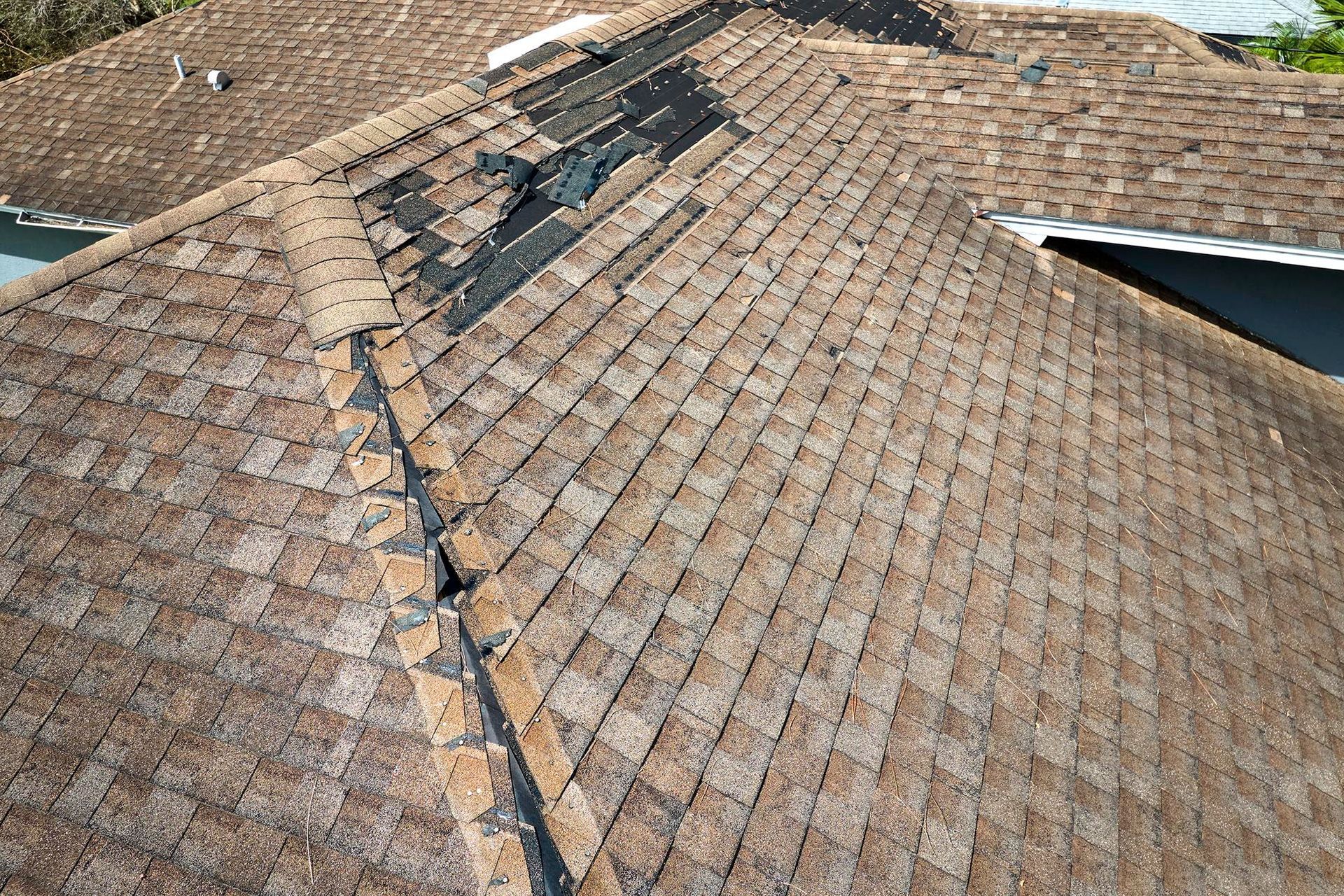
The roof is usually the primary focus of a 4-point inspection in Jacksonville because Florida's weather can cause significant deterioration over time.
Inspectors check for:
- The age of the roof
- The condition of the roof
- Leakage signs
- Missing or damaged shingle(s)
- Soft areas
- Repairs that are visible
- Estimated remaining life
Many insurance companies prefer roofs to have several years of remaining life, often around 5 years or more, although requirements can vary by carrier. If the roof appears extremely worn or destroyed, the insurance company might not issue the policy until it is repaired or replaced.
Tips To Prepare Your Roof For Inspection
Do these before the inspector arrives:
- Install new shingles where some are missing
- Remove debris from the surface of the roof
- Fix leaks that can be seen
- Repair damaged flashing
- Trim back tree limbs that are contacting the roof
Electrical System Requirements
Insurers give the most attention to this aspect of the 4-point inspection checklist because the presence of old electrical components is one of the biggest fire risk factors.
The inspectors will look at:
- What type of electrical panel is it
- The wiring materials that were used
- The overall state
- Are there any safety issues
- Is the grounding proper
Some electrical panels are frequently rejected by insurance companies, for example, panels made by:
- Federal Pacific
- Zinsco
- Challenger
These panels have been associated with safety concerns and may be flagged by some insurance companies depending on the panel’s condition, model, and installation history.
Old aluminum wiring, depending on condition and how well it was installed, can also raise a red flag.
How To Improve Your Electrical Inspection
Some of the major things you can do are:
- Get rid of wiring that is lying around, exposed
- Fix any outlets that are loose
- Breakers should all be labeled
- You should have proper cover plates
- If there are flickering lights or breakers that trip, get these attended to
If your home still has a Federal Pacific, Zinsco, or Challenger panel, contact a certified electrician prior to the inspector's visit.
Plumbing System Requirements
Since water damage is a major cause of insurance claims, companies will focus heavily on the plumbing during the Jacksonville 4-point inspection.
They check for:
- The type of material used in your pipes
- If they can see any leaks
- The state of your water heater
- The condition of your drain line
- If there are any signs of corrosion
One of the biggest plumbing concerns is polybutylene piping. It also shares the notoriety of failure and is often a red flag for insurers.
Inspectors may also identify issues such as:
- Galvanized pipes
- Corroded plumbing
- Active leaks
- Poor repairs
Plumbing Preparation Tips
You should consider these before the inspector arrives:
- Repair dripping faucets or pipes
- Look under sinks for signs of dampness
- Ensure the water heater is operational and stable
- Declutter areas around plumbing
- If there is corrosion visible, try to repair it
A neat, well-functioning plumbing system makes a better impression during the inspection.
HVAC System Requirements
Apart from the three major systems, the HVAC system is the remaining one to be inspected. The inspector will record details about the age, condition, and the way the system works.
The characteristics they note include:
- How old is the system, approximately
- Performance of the cooling feature
- If there is any visible damage
- Presence of rust or corrosion
- The overall condition as it operates
Older HVAC systems may receive closer review during a Florida insurance inspection, particularly if there are visible signs of wear, age, or maintenance concerns.
HVAC Inspection Preparation
To prepare for the inspection:
- Replace air filters
- Clean surroundings of the unit
- Consider servicing the system if it has not been done recently
- Check that the unit is cooling properly
- Look for and eliminate any strange noises or leaks
Regular HVAC maintenance is an effective way to improve the inspection report and extend the life of the system.
How Long Does A 4-Point Inspection Take?
Typically, a Florida insurance inspection takes about 30 minutes to an hour, depending on the property's size and condition.
The inspector will usually:
- Take pictures
- Write down the age and condition of each system
- Fill in the insurance forms
- Mark any issues that can be seen
The resulting report is usually handed over or sent by the inspector shortly after the process ends.
Difference Between A 4-Point Inspection And A Full Home Inspection
The two inspections are often mixed up by homeowners but, in fact, serve very different purposes.
4-Point Inspection
- Focusing on insurance
- Considering only four systems
- Limited in scope
- For the insurance underwriting process
Full Home Inspection
- Focusing on the buyer
- Looking at the entire property
- More elaborate
- Assists buyers in learning the condition of the property
The details and information provided by a full home inspection are far more than those of a 4-point inspection.
Why Jacksonville Homes Often Need 4-Point Inspections
The reason why many homes in Jacksonville that are older require the insurance company to classify them as high risk is the following:
- Being exposed to hurricanes
- Humidity
- Heavy rainfall
- Getting older infrastructure
Consequently, insurers require current condition reports before issuing or renewing a policy.
A Jacksonville 4-point inspection serves as proof that the major systems are still functioning properly.
Final Thoughts: Preparing For A 4-Point Inspection
By doing some advance work and organizing a 4-point inspection in Jacksonville, you can make the process easier and less stressful when it comes to obtaining insurance coverage.
Concentrate on only roofing, electrical, plumbing, and HVAC, which are the four major systems.
Get repairs whenever necessary, fix any safety hazards you can see immediately, and give good care to your systems. Keep in mind that the inspection is not a test with a pass or a fail. It is merely a report that insurance companies use to assess risk.
If you are looking for a trustworthy Jacksonville 4-point inspection, Superior Inspections is a good place to start. We have a skilled staff offering comprehensive and insurance-focused inspections that will help you understand the condition of your major systems like roofing, electrical, plumbing, and HVAC.
FAQs
What parts of the house are covered in a 4-point inspection?
A 4-point inspection focuses only on four main systems in your home: roofing, electrical, plumbing, and HVAC. Insurance companies use this report to understand the condition and risk level of these systems before issuing or renewing coverage.
What is the age of a house that requires a 4-point inspection?
In general, insurance companies request a 4-point inspection for homes about 20 years old or older. The requirement might change from one insurer to another, and also depend on the condition of the property.
Can a 4-Point Inspection Pass or Fail in Jacksonville?
A 4-point inspection is not technically a pass-or-fail test. It is an insurance condition report used to evaluate the condition of a home’s roofing, electrical, plumbing, and HVAC systems.
Why do insurance companies require a 4-point inspection in Jacksonville?
Insurance companies require a 4-point inspection to assess risk before providing or renewing a policy. Older homes are often inspected because their major systems may have wear, outdated materials, or safety concerns.
What should I do to get ready for a 4-Point Inspection?
Homeowners can help prepare the home by fixing visible leaks, getting the HVAC system serviced, inspecting the electrical panel, and ensuring the roof has at least 5 years of remaining life.
Disclaimer: The information on this website and blog is for general informational purposes only and is not professional advice. We make no guarantees of accuracy or completeness. We disclaim all liability for errors, omissions, or reliance on this content. Always consult a qualified professional for specific guidance.
Search
Recent Posts