Everything You Need To Know About A Mobile Home Inspection Checklist
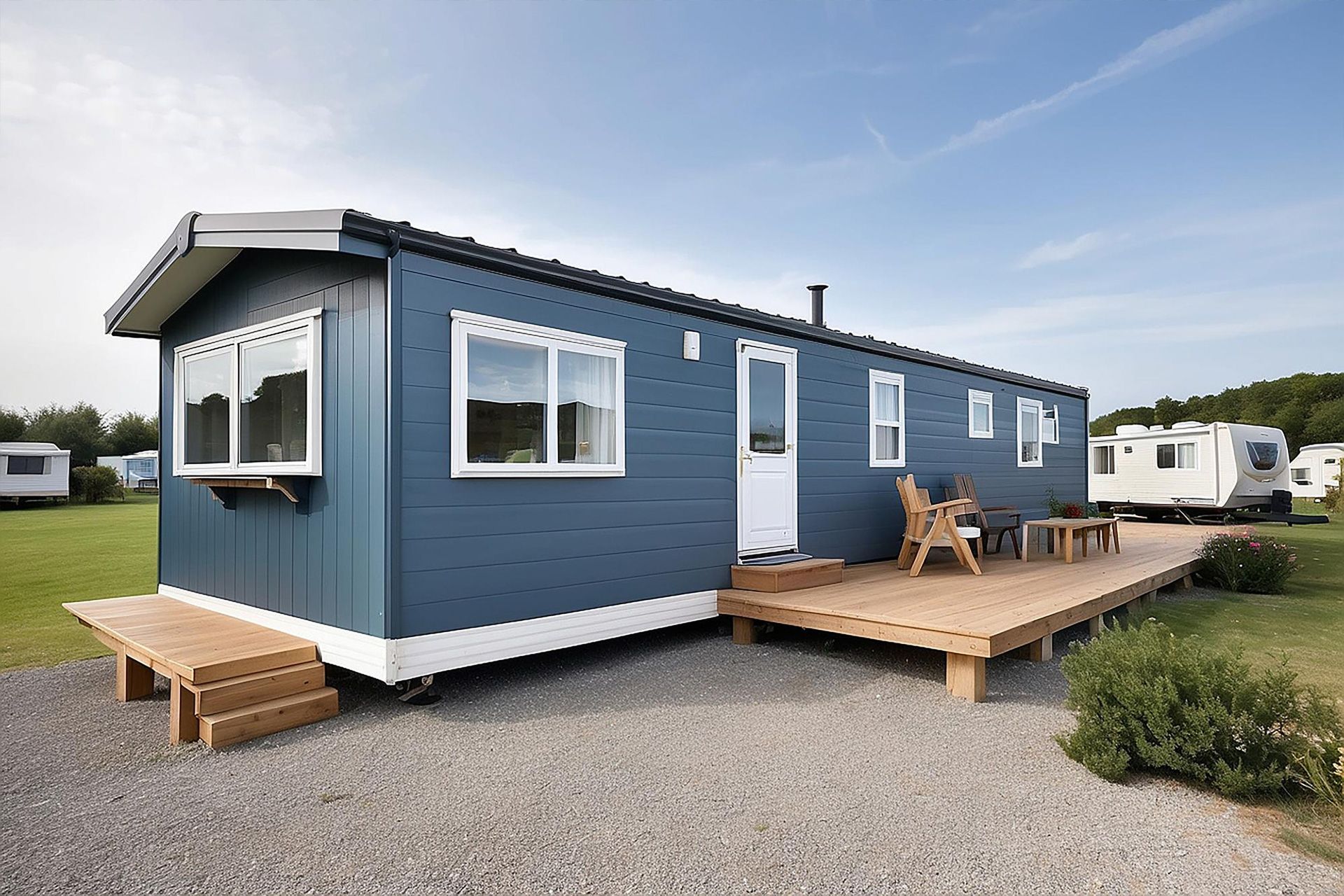
Buying a mobile or manufactured home involves more than checking the rooms, appliances, and finishes. These homes are built differently than traditional site-built houses, and how they are transported, installed, supported, and connected to utilities can affect their long-term condition.
A mobile home inspection helps buyers and owners understand visible conditions before making an important property decision. The process looks at the home as a complete system, including areas above, inside, and below the structure.
Knowing how the inspection works, when to schedule it, and what to do with the report can help you approach the process with realistic expectations and better questions.
What Is A Mobile Home Inspection?
This type of inspection is a visual review of the accessible areas and major systems of a mobile or manufactured home. It identifies visible conditions that may affect safety, function, maintenance, or future repair planning.
The inspector does not open walls, dismantle equipment, or guarantee they will find every hidden problem. Instead, the goal is to document what can reasonably be observed at the time of the appointment.
Because manufactured homes differ from site-built properties, the inspection may focus more on the underside of the home, skirting, support areas, utility connections, moisture protection, and changes made after the original installation.
Why Is The Inspection Process Different?
Manufactured homes are generally constructed in a factory and then transported to the site for installation. Once placed, inspectors connect them to electrical, plumbing, sewer, HVAC, and other systems.
This creates inspection considerations that may not be as common in a traditional house. The inspector needs to understand how visible conditions above and below the home relate.
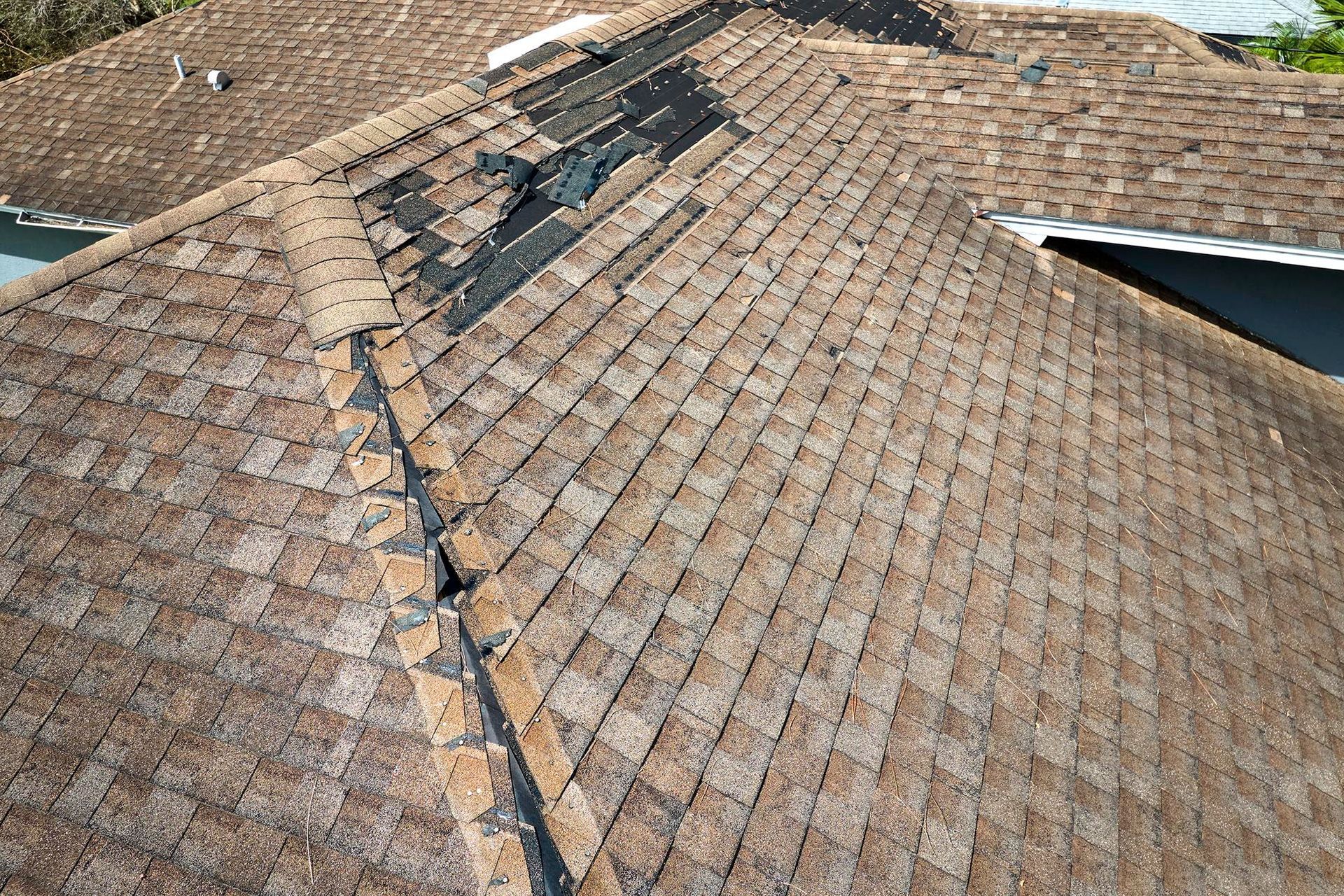
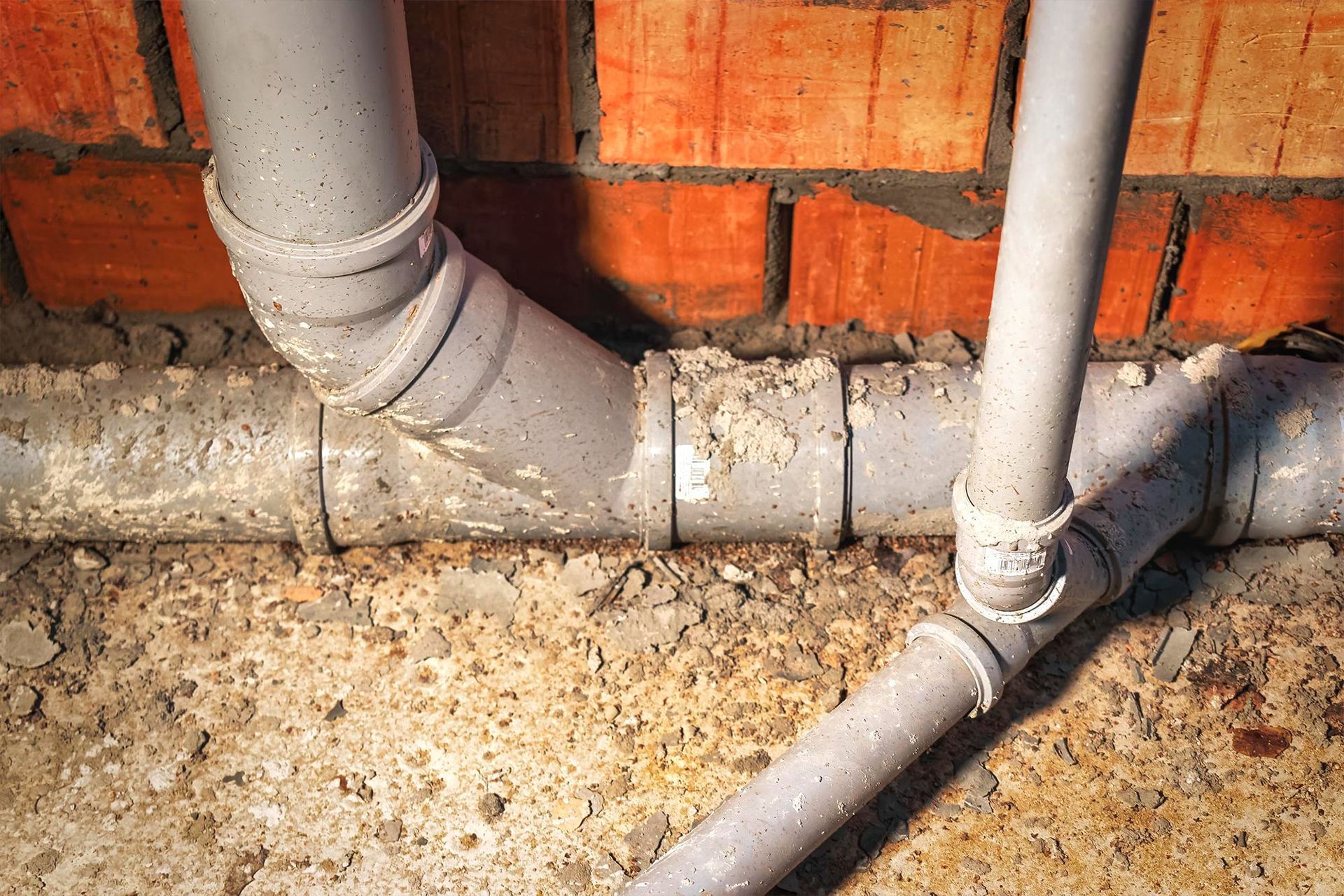
For example, a plumbing leak below the floor may eventually cause soft flooring inside. Damaged skirting can allow moisture or pests into the area under the home. A roof leak may affect ceilings, insulation, or wall materials.
A mobile home condition assessment examines these connections rather than treating each finding in isolation.
How Does The Inspection Process Work?
The process usually begins with a general review of the property and then moves through accessible areas in a logical order. The exact sequence may vary depending on the inspector, property layout, weather, and access.
A typical process may include:
- Exterior review: The inspector starts by observing the roof, siding, windows, doors, skirting, drainage, steps, porches, and other visible exterior features.
- Interior review: The inspector checks rooms for visible signs of moisture, movement, damaged finishes, floor concerns, door operation, and overall system performance.
- Major system review: The inspector evaluates accessible plumbing, electrical, HVAC, water-heating, and safety-related components for visible issues and basic operation.
- Under-home review: When safe and accessible, the inspector may look below the home for plumbing leaks, moisture, insulation damage, utility conditions, and visible support concerns.
The inspector then organizes the findings into a report that explains what was observed.
What Happens Before The Inspection Begins?
Preparation starts before the inspector arrives. Buyers should confirm that the property will be accessible and that important areas are not blocked.
If the home has skirting with an access panel, that entry point should be available. Electrical panels, water heaters, HVAC equipment, closets, and other important areas should also be reachable.
Buyers can also gather useful information in advance. Ask the seller about previous roof repairs, plumbing leaks, electrical updates, HVAC replacement, flooring repairs, or additions to the property.
Past records do not replace an inspection, but they can provide useful context when reviewing current conditions.
Why The Under-Home Area Matters
One of the most valuable parts of the process is reviewing the area beneath the home.
Many important components may be located in this space, including plumbing lines, insulation, ductwork, moisture barriers, utility connections, and visible support components. Problems here can remain unnoticed for a long time because homeowners rarely enter the area.
For example, a slow plumbing leak may wet insulation without creating an immediate stain inside the home. Torn protective material may expose floor insulation to moisture or pests. Standing water beneath the structure may indicate a drainage issue around the property.
If the inspector cannot safely access the area, they should document that limitation in the report.
How Inspectors Handle Repairs And Modifications
Mobile and manufactured homes may change considerably over their lifetime. Previous owners might add decks, porches, ramps, storage areas, room additions, replacement roofing, or updated utility systems.
These changes deserve attention because they can affect how the original home performs.
An inspector may document visible signs of modifications, unusual connections, damaged materials, or incomplete repairs. This does not automatically mean the work is unsafe. It may simply mean that additional documentation or specialist evaluation would be useful.
When major modifications are visible, buyers should ask about permits, contractor records, warranties, and repair history.
What Happens After The Inspection?
After the onsite review, the inspector prepares a written report. This report is one of the most useful parts of the process because it turns individual observations into organized information.
A good report typically includes photographs, descriptions, locations, and, when appropriate, recommendations for further evaluation.
The report should help you understand:
- Which concerns may need prompt attention
- Which findings are primarily maintenance items
- Whether a specialist should review a particular system
- Which areas could not be fully inspected
- What questions you may want to ask the seller
A mobile home condition assessment is most useful when you read the report as a whole, not by simply counting findings.
Mobile Home Condition Assessment Vs Foundation Certification
These services serve different purposes and should not be confused.
A mobile home condition assessment focuses on the property's visible condition and accessible systems. It helps buyers and homeowners understand maintenance, repair, and safety-related concerns.
A foundation certification is a more specific service that a lender or other party may require to document whether a manufactured home foundation meets applicable requirements.
A general inspection does not automatically provide foundation certification. If your lender requests one, confirm that service separately before scheduling.
Ideal Time To Schedule The Inspection
The best timing depends on why you need the inspection.
Buyers normally schedule during the inspection period provided in their purchase agreement.
This gives them time to review the report and arrange additional evaluations if needed.
Current homeowners may schedule an inspection when they notice changes such as soft floors, recurring moisture, unusual HVAC performance, roof concerns, drainage problems, or unexplained utility issues.
It can also be useful before major renovations or after significant repairs.
Common Mistakes Buyers Should Avoid
One mistake is assuming that a manufactured home needs less inspection because it is smaller. Size does not determine condition. A small home can still have roofing, plumbing, electrical, HVAC, moisture, or structural concerns.
Another mistake is focusing only on cosmetic appearance. New flooring and fresh paint can improve presentation, but they don't reveal what is happening below the home or within major systems.
Buyers should also avoid treating every finding as a major defect. Inspection reports often contain a combination of safety concerns, repairs, maintenance items, and recommendations for further review.
Understanding priority is more useful than expecting a completely problem-free property.
Is A Manufactured Home Inspection Worth It?
For buyers, the value comes from learning more about a property before taking responsibility for it. Manufactured homes have unique construction and installation features that may not be obvious during a normal showing.
An inspection can provide useful information about visible concerns, maintenance needs, past repairs, and areas that deserve specialist attention.
It cannot eliminate every future repair or uncover every concealed condition. It can give you a clearer starting point for making a property decision.
Conclusion
A thorough inspection of a mobile or manufactured home is about more than working through a checklist. It is a process of understanding how the property has been installed, maintained, repaired, and affected by daily use.
From preparation and on-site evaluation to the final report, each step helps buyers and homeowners build a clearer picture of the property. Paying attention to under-home conditions, modifications, moisture, major systems, and past repairs can help reveal information that may not be obvious during a showing.
Superior Inspections helps buyers and homeowners in Jacksonville and surrounding Northeast Florida communities better understand the condition of manufactured homes through detailed evaluations, clear reports, and practical explanations.
Schedule your inspection today to get useful information about the property before making your next decision.
FAQs
How Long Does An Inspection Of A Mobile Home Take?
The time depends on the home’s size, age, condition, accessibility, and number of systems or additions. Properties with difficult under-home access or several modifications may require additional time.
Should I Attend The Inspection?
Yes, when possible. Attending gives you an opportunity to understand important findings, ask questions, and learn more about the home before reading the final report.
What If The Inspector Cannot Access The Area Under The Home?
The report should identify the area as inaccessible or limited. Depending on the situation, additional access or a return visit may be useful if important conditions cannot be observed.
Does An Inspection Include Foundation Certification?
Not automatically. Foundation certification is a separate service that may be requested by a lender or other party. Confirm the exact service you need before scheduling.
What Should I Do If The Report Finds Several Problems?
Review the findings by importance rather than simply counting them. Safety concerns, active leaks, and major system problems may require more immediate attention, while routine maintenance can often be planned over time.
Disclaimer: The information on this website and blog is for general informational purposes only and is not professional advice. We make no guarantees of accuracy or completeness. We disclaim all liability for errors, omissions, or reliance on this content. Always consult a qualified professional for specific guidance.
Search
Recent Posts