Signs Your Roof Needs Repair And Why An Inspection Is The Smart First Step
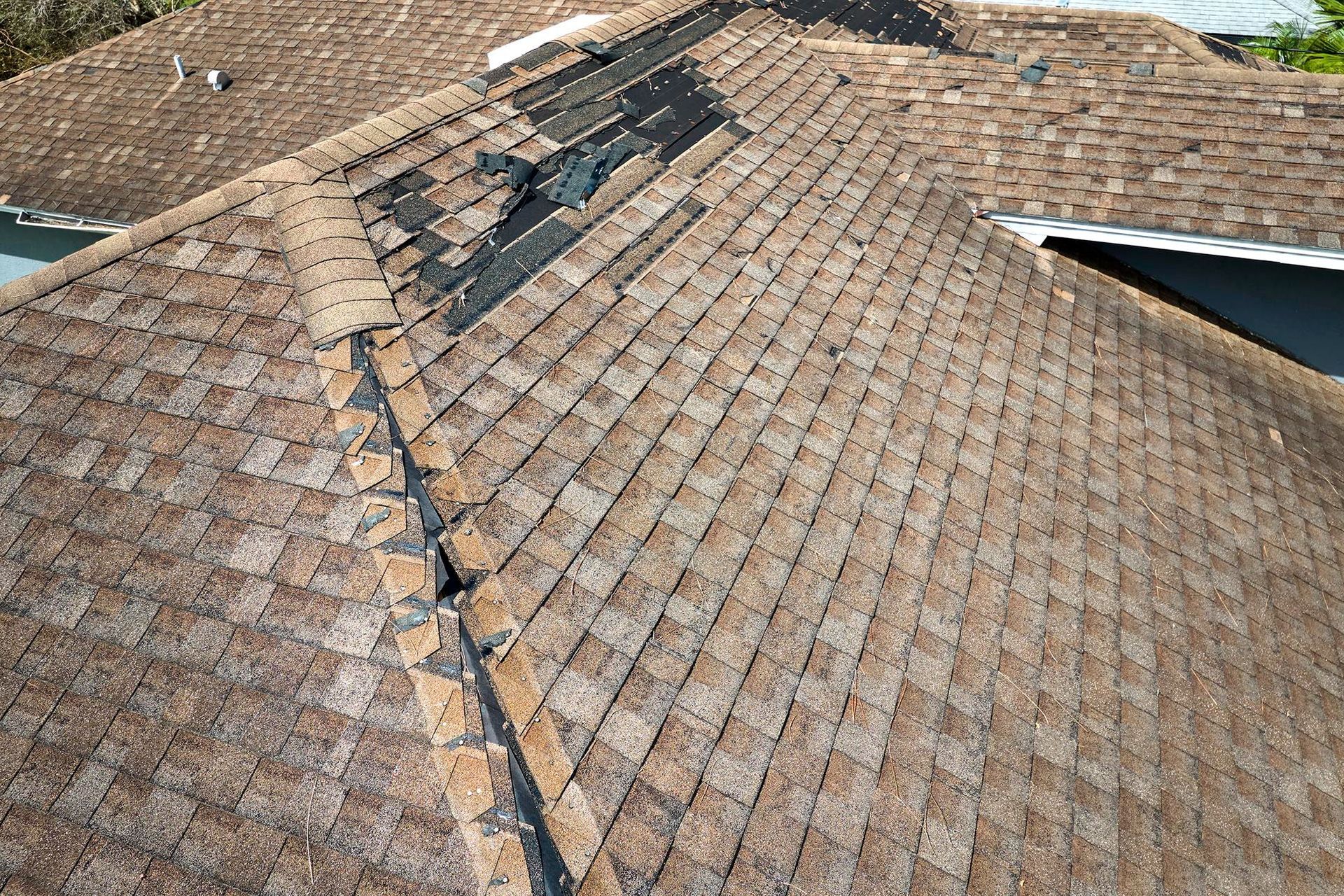
Your roof protects your home every day, but many roofing problems start quietly. A small leak, loose flashing, missing shingles, or poor attic ventilation may not seem urgent at first. Over time, these concerns can lead to moisture damage, stained ceilings, insulation problems, and more serious repairs.
Learning the signs your roof needs repair can help you act before damage spreads. Still, it is not always easy to know what is happening from the ground. That is why a professional review is often the smartest first step.
A roof inspection gives homeowners clear information on visible roof wear, potential damage, drainage concerns, and areas that may need further evaluation. Instead of guessing, you'll better understand what is visible and what may need attention.
Why Roof Problems Should Not Be Ignored
Roofing issues rarely improve on their own. Once water finds a weak point, it can move into attic spaces, wall cavities, ceilings, and interior finishes. The first visible stain inside the home may only be one part of a larger problem above it.
Florida weather can make roof concerns more important. Heat, humidity, heavy rain, wind, and seasonal storms all place stress on roofing materials. Even a roof that looks normal from the street may have worn sealants, lifted shingles, damaged flashing, or clogged drainage areas.
A professional inspection documents visible concerns and helps homeowners understand when maintenance, repairs, or further evaluation by a roofing contractor may be needed. Learn more about common roof problems home inspectors look for.
Missing, Curling, Or Damaged Shingles
Shingles protect the roof surface from sun, rain, and wind. When they are missing, cracked, curled, loose, or damaged, the layers beneath them may become more exposed to moisture.
From the ground, you may notice uneven roof areas, lifted edges, bare patches, or shingles in the yard after a storm. You may also see dark streaks, worn spots, or areas where the roof looks thinner than the rest.
Not every damaged shingle means you need to replace the whole roof. However, inspect visible shingle damage because it may allow water to reach the underlayment, decking, or attic.
Ceiling Stains And Interior Moisture Signs
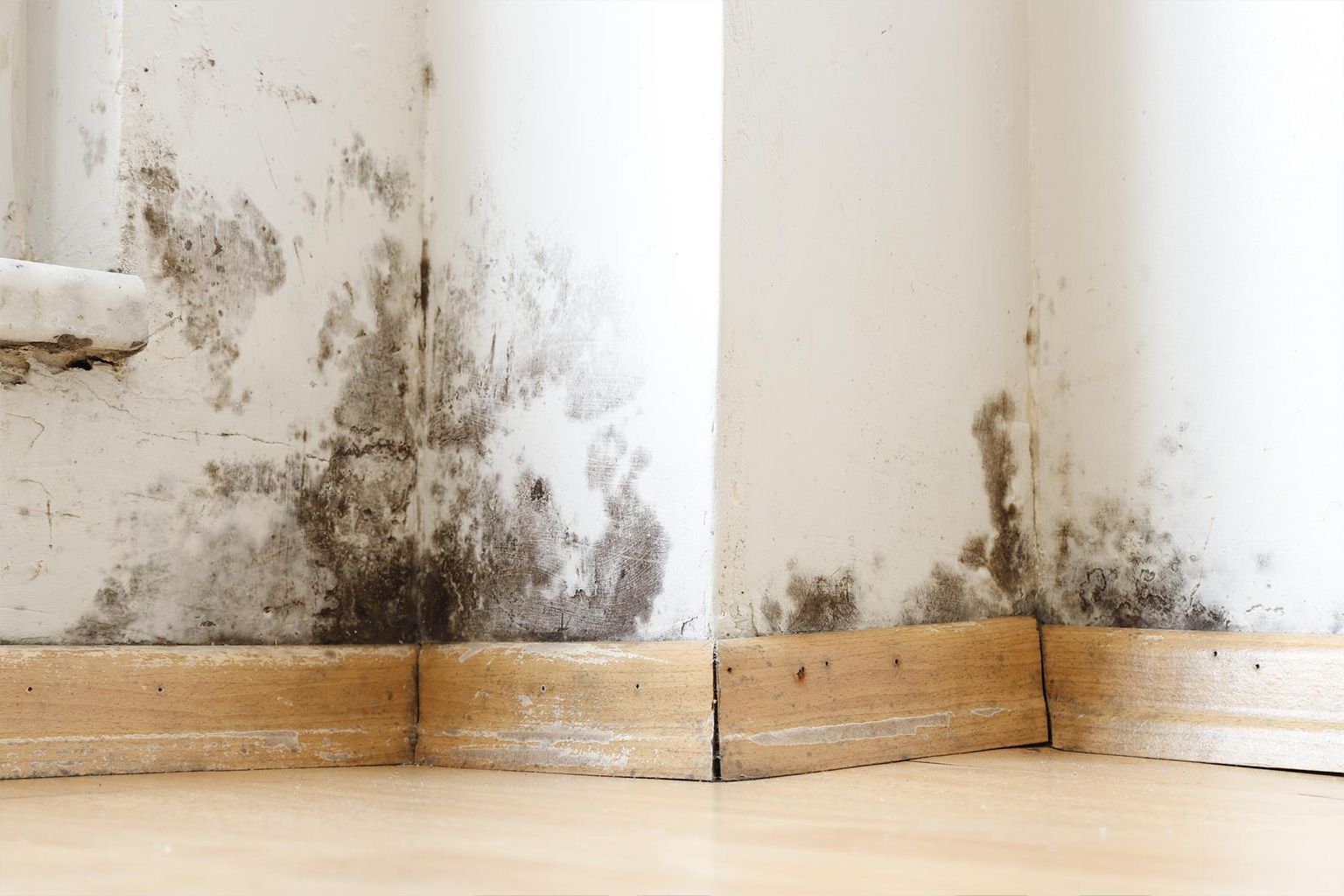
A brown ceiling stain, bubbling paint, damp drywall, or a musty odor can indicate a roof leak. Water may travel before it appears inside, so the stain may not be directly under the roof opening.
Take signs of interior moisture seriously, especially after heavy rain. A small stain can grow if you don't find the source. In some cases, moisture may also affect insulation, wood framing, or indoor air quality.
Homeowners should avoid assuming a stain is old without reviewing it. If the area changes after rain or feels damp, it may need prompt attention.
Flashing, Vents, And Roof Penetrations
Many leaks begin near roof details rather than in the middle of a flat roof surface. Flashing surrounds chimneys, skylights, vents, walls, valleys, and other roof transitions to direct water away from vulnerable areas.
Roof penetrations also need proper sealing. Plumbing vents, exhaust vents, fasteners, and other openings can become leak points if sealants crack or components loosen.
During a roof condition assessment, we review these areas because they often show early signs of wear. Rusted flashing, lifted edges, cracked sealant, or gaps around penetrations may suggest the need for repair or further evaluation.
Granule Loss And Aging Roof Materials
Asphalt shingles have small granules that help protect them from sun exposure and weather. Over time, granules can loosen and wash into gutters or collect near downspouts.
Some granule loss is normal as a roof ages. Heavy loss may be a concern because it can leave shingles more exposed to heat and rain. Homeowners may notice bald patches, uneven color, or large amounts of grit in their gutters.
Roof age matters, but condition matters more. A newer roof can have storm damage, and an older roof may still have usable life if well maintained. The visible condition of the materials should guide the next step.
Sagging Or Uneven Roof Lines
A roofline should generally appear straight and stable. Sagging, dips, waves, or uneven areas may indicate deeper issues with the decking, framing, moisture damage, or past installation issues.
Don't ignore this type of concern. A sagging area may point to long-term water exposure, weakened wood, or structural movement. It may also be more noticeable from the ground when looking across the roofline from a distance.
If you see a dip or uneven section, do not climb onto the roof to investigate it yourself. A professional should review the condition and recommend the right next step.
Attic Clues That Point To Roof Concerns
The attic can reveal roof issues that are not visible inside the living space. Inspectors may look for stains on roof decking, damp insulation, daylight through openings, damaged vents, poor airflow, or signs of past leaks.
Ventilation is also important. Poor attic airflow can trap heat and moisture. Over time, this may affect roofing materials, insulation, and comfort inside the home.
A roof may look fine from the outside, while the attic shows signs of moisture or ventilation issues. This is one reason a full visual review is more useful than only checking the roof surface.
When A Professional Review Makes Sense
Homeowners often wonder whether they should call a roofer right away or start with a home inspection. If you have active leaks, storm damage, or obvious missing materials, you may need a roofing contractor quickly. If you are unsure what is happening, an inspection can help document visible conditions first.
A professional review may be helpful when:
- You see stains or moisture indoors: Ceiling stains, damp insulation, or musty odors can indicate water entry. An inspection can help identify visible clues and document where further review may be needed.
- Your roof looks uneven or worn: Curling shingles, granule loss, sagging areas, or damaged flashing should be reviewed before they lead to bigger concerns.
- You are buying or selling a home: A roof is one of the most important systems in a property transaction. Clear information can support better questions, repair planning, and decision-making.
- A storm recently passed through the area: Wind and heavy rain can loosen materials, damage flashing, or expose weak areas. A post-storm review can help identify visible concerns.
Why Inspection Is The Smart First Step
Base your roof repair decision on clear information. Without a review, homeowners may either ignore a serious concern or assume the worst when a smaller repair may be possible.
An inspection helps separate visible facts from guesswork. The report may note the condition of the roof material, flashing concerns, drainage issues, visible damage, signs of attic moisture, and other observations. It may also recommend further evaluation by a licensed roofing contractor when needed.
This does not mean a home inspector replaces a roofer. It means the inspection gives you a clearer starting point. A roof condition assessment can help you understand the visible condition before planning repairs or speaking with contractors.
What Homeowners Should Avoid
Some roof mistakes can make problems worse. Homeowners should avoid walking on a roof without proper training, especially after rain or during windy conditions. Roof surfaces can be slippery, steep, or unstable.
Do not cover up stains without finding the source. Painting over a ceiling spot may hide the symptom, but it does not address the source of the water intrusion. Also, avoid delaying repairs when leaks, missing materials, or damaged flashing are visible.
It is also wise to avoid pressure washing shingles. High pressure can damage roofing materials and reduce their protective performance. If cleaning is needed, ask a qualified professional about safe methods.
Conclusion
Roof concerns can start small, but you shouldn't ignore them. Missing shingles, leaks, stains, worn flashing, granule loss, poor drainage, attic moisture, and uneven rooflines can all signal that the roof needs attention.
A professional inspection is a smart first step because it documents visible conditions before you decide on repairs. With a clear report, homeowners can ask better questions and plan next steps with more confidence.
At Superior Inspections, we help homeowners and buyers better understand roof and property conditions through clear reporting and practical explanations. If you need a roof inspection in Jacksonville, our team is ready to help you review visible concerns and make informed decisions.
Schedule your roof inspection today to get clear insight into visible roof concerns before they become bigger repair decisions.
FAQs
Can A Small Roof Leak Become A Bigger Problem?
Yes. Even a small leak can spread into attic insulation, ceilings, walls, or framing if it is not addressed. Early review can help identify visible concerns before damage grows.
Does A Stained Ceiling Always Mean The Roof Is Leaking?
Not always. Ceiling stains can come from plumbing, HVAC condensation, or roof leaks. The location, timing, and moisture pattern should be reviewed to better understand the possible source.
Should I Climb On My Roof To Check Damage?
No. Walking on a roof can be unsafe and may damage materials. It is better to review what you can see from the ground and schedule a professional evaluation.
How Often Should A Roof Be Checked?
A roof should be reviewed after major storms, when buying or selling a home, or when visible concerns appear. Homeowners may also include roof reviews as part of regular maintenance planning.
What Happens After The Inspection Finds Roof Concerns?
The report documents visible findings and may recommend repair, monitoring, or further evaluation by a qualified roofing contractor. The next step depends on the type and severity of the concern.
Disclaimer: The information on this website and blog is for general informational purposes only and is not professional advice. We make no guarantees of accuracy or completeness. We disclaim all liability for errors, omissions, or reliance on this content. Always consult a qualified professional for specific guidance.
Search
Recent Posts