Top Tips for First-Time Home Buyers in Jacksonville

Buying your first home is exciting, but it can also feel overwhelming, especially in a dynamic real estate market like Jacksonville, Florida. From understanding neighborhoods to navigating inspections and closing costs, there’s a lot to consider before making one of the biggest financial decisions of your life.
Jacksonville offers a unique mix of coastal living, suburban comfort, and urban growth, making it an attractive destination for first-time buyers. However, with its humid climate, hurricane exposure, and diverse housing options, it’s essential to approach your purchase with the right knowledge and preparation.
Here are the top tips every first-time home buyer in Jacksonville should know to make a confident and informed decision.
1. Understand Your Budget Beyond the Purchase Price
Many first-time buyers focus only on the listing price—but your total cost of homeownership includes much more.
Be sure to factor in:
- Property taxes
- Homeowners insurance (especially important in Florida)
- HOA fees (if applicable)
- Maintenance and repairs
- Utilities and flood insurance (in certain areas)
In Jacksonville, insurance costs can vary depending on the age of the home, roof condition, and proximity to water. Getting pre-approved for a mortgage will give you a realistic price range and help you avoid financial surprises later.
2. Choose the Right Neighborhood for Your Lifestyle
Jacksonville is a large city with diverse neighborhoods, each offering a different lifestyle. Whether you prefer beachfront living, suburban communities, or urban convenience, location plays a major role in your satisfaction as a homeowner.
Consider:
- Commute times
- School districts
- Crime rates
- Future development plans
- Access to shopping, dining, and healthcare
Popular areas like Riverside, Mandarin, and Jacksonville Beach each have their own pros and cons. Spend time visiting neighborhoods at different times of the day before making a decision.
3. Don’t Skip the Home Inspection
One of the most critical steps in the home-buying process is the inspection. A professional home inspection gives you a detailed understanding of the property’s condition and can uncover issues that aren’t visible during a showing.
In Jacksonville, inspections are especially important due to:
- High humidity and potential mold issues
- Termite (WDO) risks
- Roof wear from storms and heat
- Plumbing and drainage concerns
A thorough inspection can save you thousands of dollars by identifying problems early and giving you leverage during negotiations.
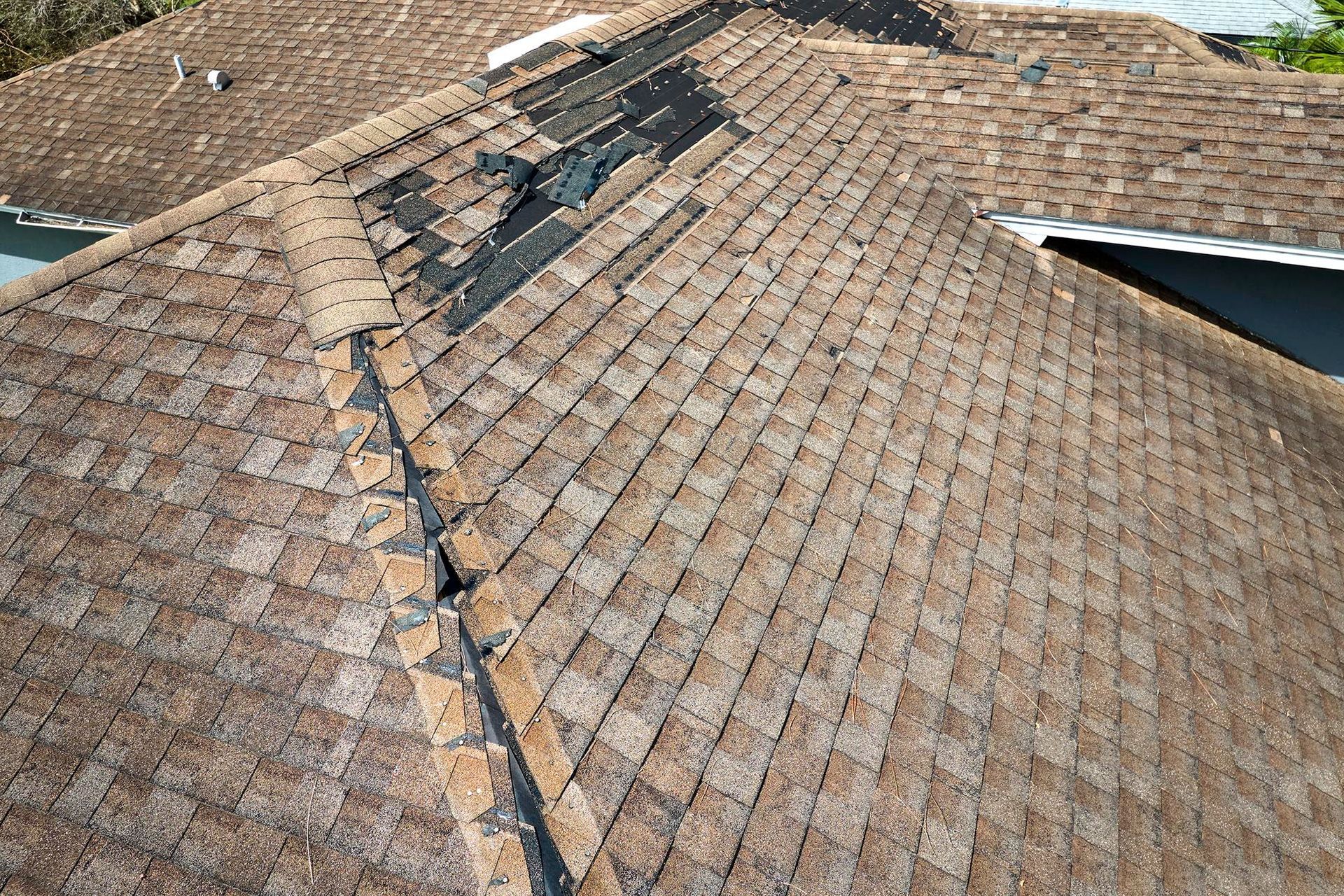
4. Pay Close Attention to the Roof Condition
Roofs in Florida endure intense sun, heavy rain, and hurricane-force winds. As a result, they tend to have a shorter lifespan compared to other states.
Before purchasing a home, make sure you:
- Know the age of the roof
- Check for signs of damage or leaks
- Understand insurance requirements
A roof in poor condition can impact your ability to secure homeowners insurance or lead to higher premiums. A professional roof inspection is highly recommended before closing.
5. Get Familiar with Wind Mitigation Benefits
Florida homeowners may qualify for insurance discounts if their home includes wind-resistant features.
A wind mitigation inspection evaluates:
- Roof shape and materials
- Hurricane straps or clips
- Impact-resistant windows or shutters
These features not only improve safety but can significantly reduce your insurance costs over time.
6. Consider Flood Zones and Insurance Needs
Jacksonville has areas that are prone to flooding, especially near rivers, creeks, and coastal zones. Even if a property isn’t in a high-risk flood zone, it’s worth evaluating the risk.
Before buying:
- Check FEMA flood maps
- Ask about past flooding history
- Understand flood insurance requirements
Flood insurance is typically not included in standard homeowners policies, so this can be an additional cost to consider.
7. Think Long-Term, Not Just Short-Term
Your first home doesn’t have to be your forever home—but it should still align with your future plans.
Ask yourself:
- Will this home suit your needs in 3–5 years?
- Is there room for growth (family, work-from-home, etc.)?
- Is the area likely to appreciate in value?
Buying with long-term potential in mind helps ensure your investment pays off.
8. Work with the Right Real Estate Professionals
Having the right team can make the home-buying process much smoother.
This includes:
- A knowledgeable real estate agent
- A reliable lender
- A certified home inspector
Choose professionals who understand the Jacksonville market and can guide you through local regulations, pricing trends, and property conditions.
9. Don’t Overlook Additional Inspections
While a general home inspection is essential, Jacksonville buyers should also consider specialized inspections depending on the property.
These may include:
- Mold testing
- Termite (WDO) inspection
- Sewer scope inspection
- Water quality testing
- Pool or dock inspection (if applicable)
These additional services provide a deeper understanding of the home and help you avoid unexpected issues after moving in.
10. Be Prepared for Negotiations
Once inspections are complete, you may discover issues that need attention. This is your opportunity to negotiate with the seller.
You can request:
- Repairs before closing
- A price reduction
- Seller credits
Having a detailed inspection report strengthens your position and ensures you’re not overpaying for a property with hidden problems.
11. Stay Organized During the Closing Process
The final stages of buying a home involve a lot of paperwork, deadlines, and coordination. Staying organized will help reduce stress and prevent delays.
Keep track of:
- Inspection reports
- Loan documents
- Insurance paperwork
- Closing disclosures
Make sure you understand all terms before signing and don’t hesitate to ask questions.
12. Plan for Maintenance from Day One
Owning a home comes with ongoing responsibilities. Creating a maintenance plan early will help you protect your investment.
Focus on:
- Regular HVAC servicing
- Roof inspections
- Gutter cleaning
- Pest control
- Plumbing checks
Preventative maintenance is far more affordable than emergency repairs.
Why Inspections Matter More Than Ever
For first-time buyers, inspections are not just a formality, they’re a critical safeguard. In a competitive market, it can be tempting to waive inspections to secure a deal, but this can lead to costly mistakes.
A professional inspection gives you:
- A clear understanding of the property
- Confidence in your investment
- Protection from unexpected expenses
At Superior Inspections, we help first-time buyers in Jacksonville make informed decisions with thorough, easy-to-understand reports and expert guidance.
Final Thoughts
Buying your first home in Jacksonville is a major milestone, and with the right preparation, it can be a rewarding and stress-free experience. By understanding the local market, prioritizing inspections, and working with experienced professionals, you’ll be well-equipped to make a smart investment.
Schedule your professional home inspection with Superior Inspections today and buy your first home with confidence!
Frequently Asked Questions (FAQs)
How much should I save before buying a home in Jacksonville?
You should ideally have enough for a down payment (3%–20%), closing costs (2%–5%), and an emergency fund for repairs and maintenance.
Is Jacksonville a good place for first-time home buyers?
Yes, Jacksonville offers relatively affordable housing, diverse neighborhoods, and strong growth potential, making it a great market for first-time buyers.
What is the most important inspection for a home in Florida?
A general home inspection is essential, but roof, wind mitigation, and termite inspections are especially important in Florida.
Can I buy a home without an inspection?
While it’s possible, it’s not recommended. Skipping an inspection can expose you to significant financial risks.
How long does the home-buying process take?
On average, it takes 30 to 60 days from offer acceptance to closing, depending on financing and inspections.
What credit score do I need to buy a home?
Most lenders require a minimum credit score of 620, but higher scores can help you secure better interest rates.
Should I buy a new construction home instead?
New homes can offer fewer immediate repairs, but inspections are still necessary to ensure quality construction.
Disclaimer: The information on this website and blog is for general informational purposes only and is not professional advice. We make no guarantees of accuracy or completeness. We disclaim all liability for errors, omissions, or reliance on this content. Always consult a qualified professional for specific guidance.
Search
Recent Posts