How A New Build Warranty Inspection Can Save You Thousands

A newly built home can look finished and problem-free, but some defects only become noticeable after you have lived in the property for several months. Doors may stop closing properly, drywall cracks may appear, drainage problems may become apparent after heavy rain, or HVAC and plumbing issues may become easier to notice during daily use.
An 11-Month Home Warranty Inspection gives homeowners an opportunity to document visible concerns before an applicable builder warranty period ends.
If your builder’s warranty covers repairs, finding issues early may reduce the likelihood that you will have to pay for eligible repairs later. That is where the potential savings can become significant.
Why The End Of The Builder Warranty Matters
Many builders provide a limited warranty that covers certain workmanship, materials, or systems for a set period. Coverage, exclusions, and deadlines depend on the builder and the warranty agreement, so homeowners should always review their documents.
Some problems do not appear on move-in day. A house needs time to experience rain, temperature changes, normal occupancy, HVAC use, and everyday movement. During that period, construction concerns may become easier to see.
A new home warranty inspection near the end of the covered period gives you a structured way to review the property before submitting warranty requests. You receive a written report with visible findings that can help you discuss concerns with the builder.
What Can Change During The First Year?
New homes naturally settle and adjust after construction. Not every crack or movement indicates a serious defect. Still, the first year often reveals how well different parts of the home perform under real living conditions.
Heavy rain may expose drainage concerns. Seasonal heat can show whether the cooling system keeps rooms comfortable. Regular plumbing use can reveal slow leaks. Doors and windows may begin sticking if movement affects their operation.
Areas Inspectors Commonly Review
A warranty-focused inspection generally looks at visible and accessible components throughout the home.
Roof And Exterior
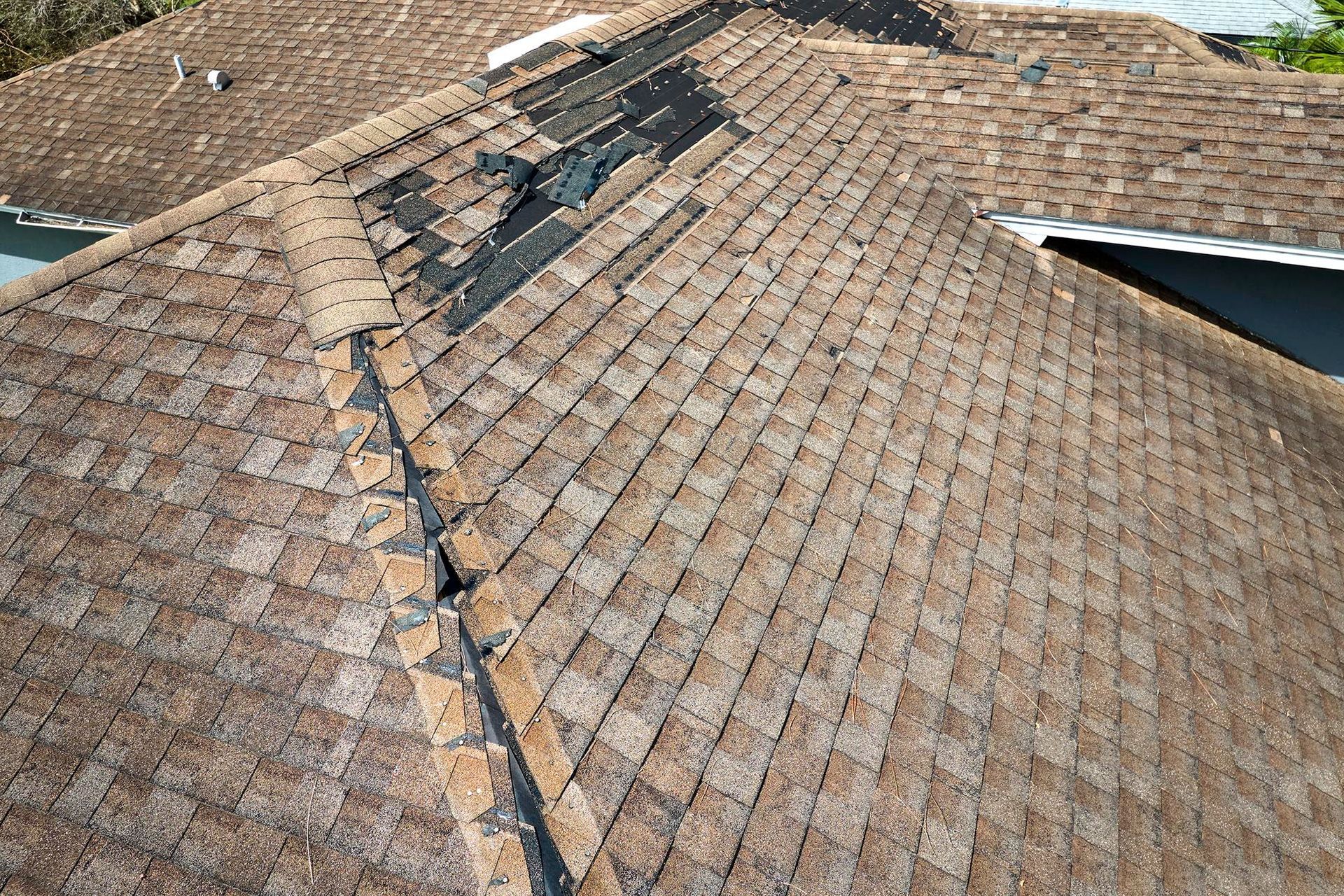
A home inspector may review common roof problems, visible roof materials, flashing, roof penetrations, exterior walls, trim, siding, doors, windows, and drainage features. They may note damaged materials, gaps, loose components, water stains, or signs that rainwater isn't draining away from the home properly.
Attic And Insulation
The attic may reveal roof leaks, missing insulation, ventilation problems, or conditions not visible from the living space. Inspectors may also review visible framing and roof decking where accessible.
Plumbing And Electrical
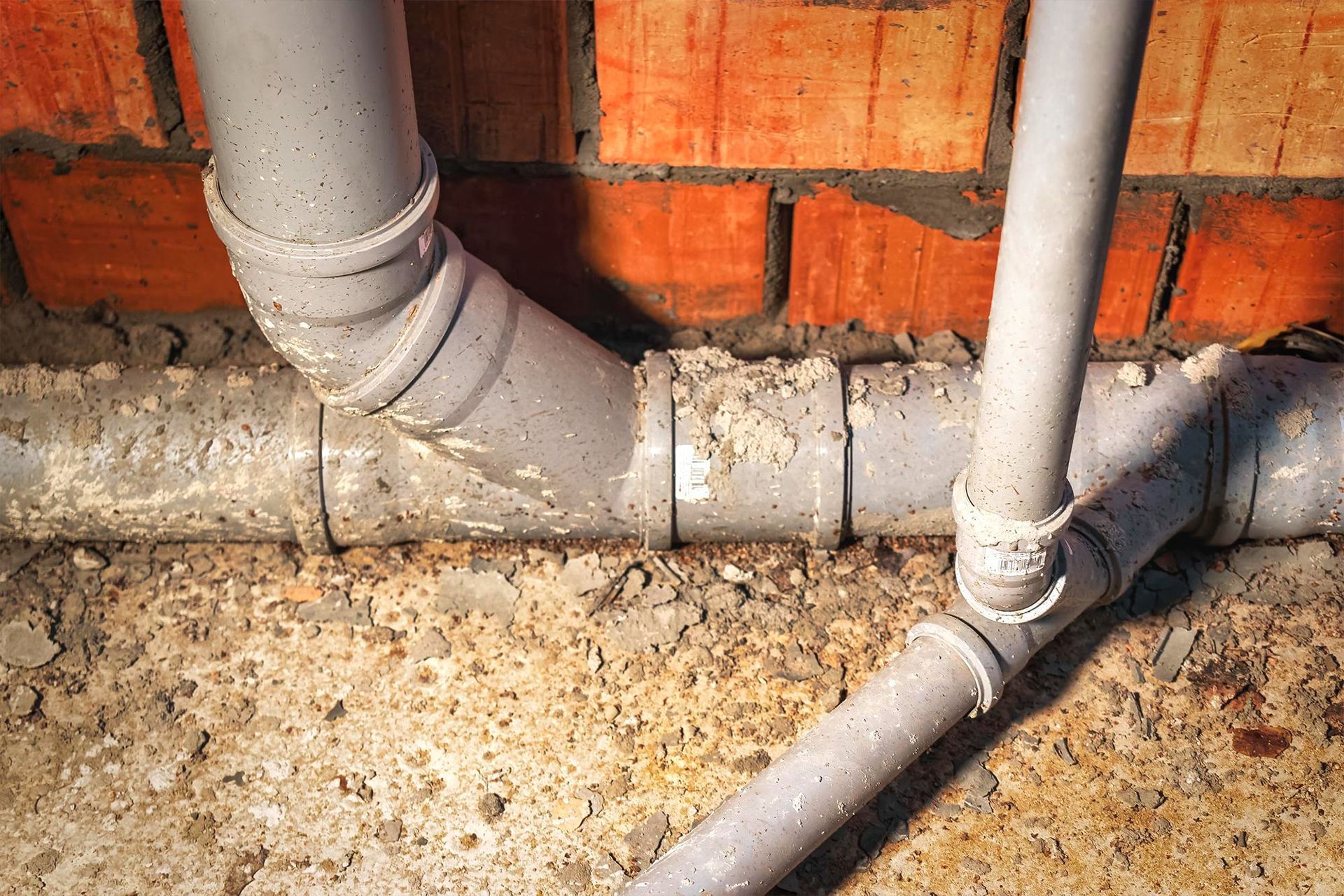
Inspectors may look under sinks, around toilets, near water heaters, at visible supply lines, and at accessible drains. Slow leaks matter because they can damage cabinets, flooring, or drywall before the homeowner notices them.
Inspectors may also review accessible panels, outlets, switches, fixtures, and visible electrical components for installation or safety concerns.
HVAC
Heating and cooling equipment has usually been operating for months by the time the inspection is scheduled. Inspectors may review accessible equipment, filters, visible ductwork, condensate areas, airflow, and basic operation.
How The Inspection Can Help Protect Your Budget
The biggest financial benefit comes from timing. If a concern appears after the warranty expires, the homeowner may be responsible for the repair even if the problem began during the first year.
A professional inspection helps document visible concerns while there may still be time to ask the builder whether they fall under warranty coverage.
Potentially costly issues can involve:
- Water intrusion: A small exterior gap or roof issue can damage drywall, insulation, flooring, or framing if moisture keeps entering the home.
- HVAC problems: Poor airflow, installation issues, or condensate problems can affect comfort and become more complicated if ignored.
- Drainage concerns: Improper grading or water collecting near the home may contribute to erosion, moisture issues, or foundation concerns.
- Plumbing leaks: Even a slow leak can damage surrounding finishes if it continues unnoticed.
- Incomplete construction details: Missing sealant, loose fixtures, damaged trim, or unfinished components may be easier to address while the builder is still involved.
The inspection does not determine what the builder must repair. Your warranty agreement determines that decision. It does give you clearer documentation before you start that conversation.
Why Waiting Until The Last Day Is Risky
You may need time to schedule the inspector, review the report, gather photographs, contact the builder, and follow the builder’s process for submitting warranty claims. If further evaluation is recommended, you may also need time to arrange a specialist.
Scheduling an 11-month home warranty inspection before the deadline gives you a reasonable window to complete these steps without rushing. Check your warranty documents early and note the exact date when coverage changes or expires.
What To Do With The Inspection Report
Once you receive the inspection report, read it carefully and separate routine maintenance items from concerns that may relate to construction or warranty coverage.
A practical next step is to:
- Review your builder warranty and compare the findings with the listed coverage.
- Note important deadlines and required claim procedures.
- Submit concerns in the format requested by the builder.
- Keep photographs, emails, invoices, and repair records together.
- Arrange further evaluation when the report recommends a specialist.
Stay factual when communicating with the builder. Clear descriptions and photographs are often more useful than broad statements that something is wrong with the house.
Maintenance Issue Or Warranty Concern?
One important distinction is between home maintenance and a potential construction issue.
For example, a dirty HVAC filter is typically a maintenance issue. A leak caused by an improperly installed connection may be different. Worn caulk may fall under maintenance, while a gap never properly sealed during construction may warrant further review.
The inspection report can describe what is visible, but the builder or warranty provider decides whether a specific item is covered. Homeowners should avoid assuming every observation is a warranty claim.
This is another reason an inspection is useful. It provides a clear snapshot of the home’s condition at a meaningful point in its ownership history.
What Homeowners Can Check Before The Appointment
Before the inspector arrives, make a short list of concerns you have noticed since moving in. Think about rooms that feel warmer or colder, doors that started rubbing, outlets that behave oddly, recurring plumbing noises, ceiling stains, changing cracks, or water that collects outside after rain.
Also gather your original inspection report, builder punch list, repair records, warranty documents, and emails about prior construction concerns. This can help you track whether an earlier issue was repaired or has returned.
Why An Independent Review Adds Value
Builders perform quality checks, and local officials conduct required inspections, but those processes serve different purposes. A homeowner-focused inspection gives you another opportunity to review the property after months of real use.
A new home warranty inspection can help you notice conditions you may have become used to seeing every day. It can also provide organized documentation that is easier to reference when communicating with the builder.
Conclusion
The first year in a new home is important because the property is finally experiencing real weather, daily use, and normal household demands. Small construction concerns that were hidden at closing may become more visible during this time.
An inspection can help identify roof, exterior, attic, plumbing, electrical, HVAC, drainage, and finish concerns before important builder deadlines pass. If eligible repairs are addressed under the warranty instead of after it expires, the inspection may help homeowners avoid high out-of-pocket costs.
Superior Inspections helps homeowners in Jacksonville and surrounding Northeast Florida communities document visible new construction concerns with clear reports and practical explanations. Schedule your warranty inspection with our team before your builder coverage period ends so you have time to review the findings and decide on the right next steps.
FAQs
When Is The Best Time To Schedule A Builder Warranty Inspection?
Schedule it with enough time remaining to receive the report and follow your builder’s claim process before the warranty deadline. Many homeowners choose a point late in the first year rather than waiting until the final days.
Does A Warranty Inspection Guarantee The Builder Will Make Repairs?
No. The inspector documents visible conditions, but the builder or warranty provider decides whether an item is covered under the warranty agreement.
Should I Get An Inspection If My New Home Seems Fine?
It can still be useful. Some concerns develop slowly or occur in areas homeowners rarely access, such as attics, roof surfaces, drainage areas, or mechanical spaces.
What Documents Should I Have Ready?
Keep your builder warranty, original inspection report, punch list, repair records, and any communication about previous concerns. These documents can help you compare current findings with earlier work.
What Happens If The Inspector Finds A Serious Concern?
Review the report and contact the builder according to the warranty process. If the inspector recommends further evaluation, arrange the appropriate qualified professional before making repair decisions.
Disclaimer: The information on this website and blog is for general informational purposes only and is not professional advice. We make no guarantees of accuracy or completeness. We disclaim all liability for errors, omissions, or reliance on this content. Always consult a qualified professional for specific guidance.
Search
Recent Posts