What Fixes Are Mandatory After A Home Inspection In Jacksonville, FL
A home inspection is one of the most important steps in a real estate transaction. It helps buyers, sellers, and lenders better understand a property's condition before closing. After a home inspection, many homeowners ask the same question: What fixes are mandatory?
The answer is simpler than many people expect. Home inspectors do not require or enforce repairs. Their role is to observe visible conditions and document findings in a report. Decisions about repairs are usually made by buyers, sellers, insurance companies, or mortgage lenders.
Understanding this process can help reduce confusion and make the inspection experience easier for everyone involved. This guide explains how repair requests work after a home inspection in Jacksonville and which issues are most likely to receive attention during negotiations or underwriting reviews.
What Does A Home Inspector Actually Do?
A home inspector provides an objective evaluation of the property’s visible systems and components. The inspection is designed to help clients understand the home's current condition at the time of the inspection.
Inspectors may evaluate:
- Roofing
- Electrical systems
- Plumbing systems
- HVAC equipment
- Foundation areas
- Doors and windows
- Attics and crawlspaces
- Appliances
- Exterior conditions
The inspector documents findings in a written report. The report may include maintenance concerns, safety observations, aging systems, or defects that need further review.
However, inspectors do not:
- Approve or deny home sales
- Force repairs
- Set repair deadlines
- Determine insurance eligibility
- Decide lender requirements
This distinction is important because many people assume the inspector controls the repair process. In reality, the inspection report is simply an informational tool.
Who Typically Requests Repairs After a Home Inspection?
Repairs are usually requested by one of the following parties:
Buyers
Buyers often use the inspection report to negotiate repairs with the seller before closing. This is one of the most common outcomes after a home inspection in Jacksonville.
Some buyers may request:
- Roof repairs
- Plumbing leak repairs
- Electrical corrections
- HVAC servicing
- Safety-related improvements
Other buyers may choose to accept the property as is, depending on the market and the home's condition.
Sellers
Sellers sometimes choose to complete repairs voluntarily to help the transaction move forward smoothly. Addressing certain concerns early may reduce delays during negotiations.
Mortgage Lenders
Lenders may require repairs if a condition affects the safety, livability, or structural stability of the property.
This is more common with government-backed loans, such as:
- FHA loans
- VA loans
- USDA loans
Insurance Companies
Insurance providers may request repairs before issuing or renewing coverage. This is especially common in Florida due to weather-related risks and aging homes.
Insurance underwriting reviews often focus on:
- Roofing condition
- Electrical systems
- Plumbing materials
- HVAC functionality
What Repairs Are Commonly Requested In Jacksonville?
Not every issue found during a home inspection leads to repairs. However, certain findings are often reviewed by lenders or insurers during the transaction process.
Roofing Concerns
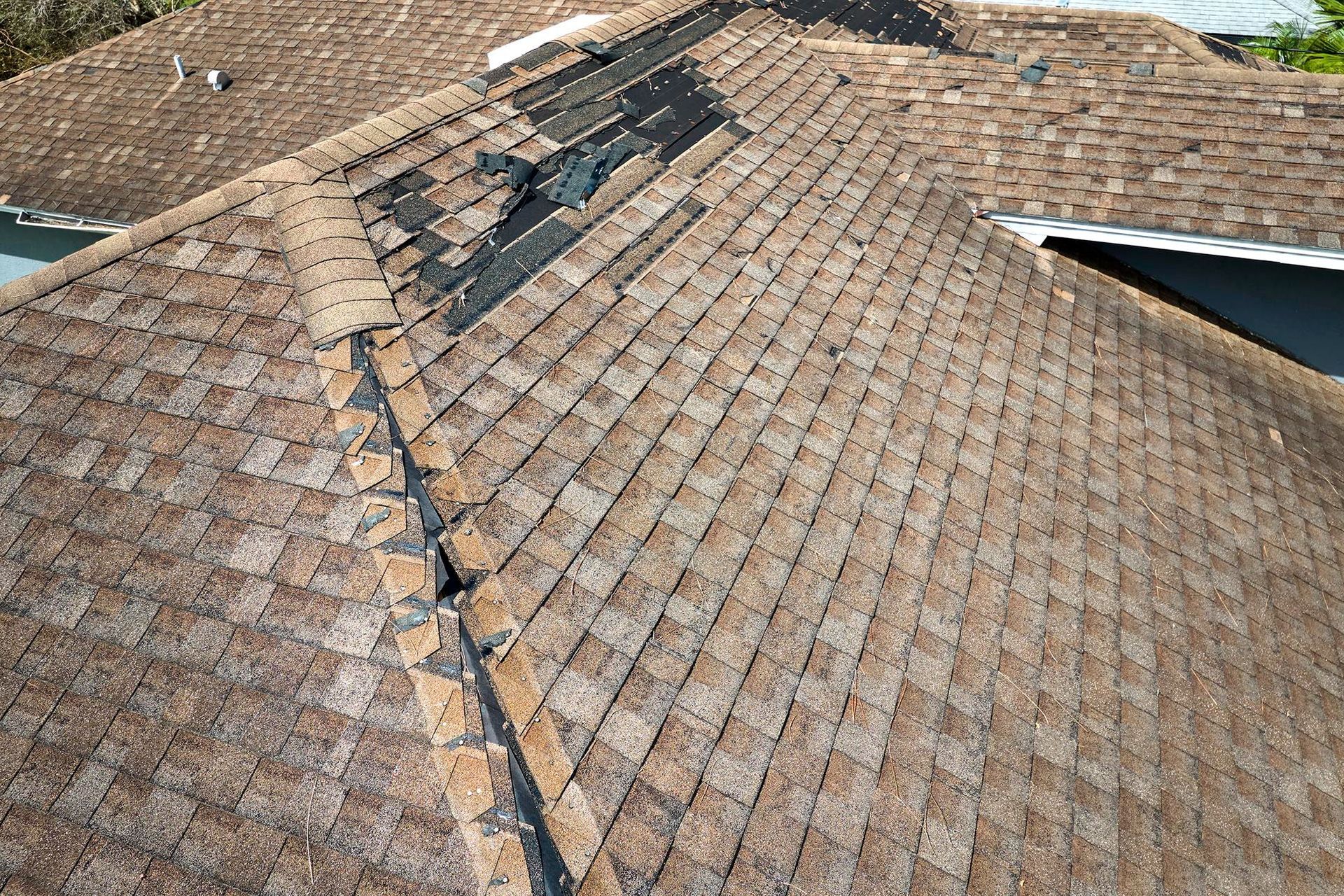
Roofing issues are among the most common concerns in Jacksonville due to Florida’s weather.
Common roof-related findings include:
- Missing shingles
- Active leaks
- Damaged flashing
- Ponding water
- Visible deterioration
- Limited remaining roof life
Insurance companies may review roof condition when it appears to be nearing the end of its expected service life.
Electrical Safety Concerns
Electrical findings may also receive attention because they can affect safety and insurance eligibility.
Examples include:
- Double-tapped breakers
- Exposed wiring
- Improper grounding
- Outdated panels
- Damaged outlets
Certain older electrical panels may be reviewed more closely by insurance carriers, including:
- Federal Pacific
- Zinsco
- Challenger
Inspectors document these conditions but do not require replacement.
Plumbing Issues
Plumbing findings may prompt repair requests when there is evidence of leaks or material issues.
Common examples include:
- Active plumbing leaks
- Corroded pipes
- Drainage problems
- Water heater concerns
- Polybutylene piping
Insurance companies may review plumbing materials carefully because water damage claims can become expensive over time.
HVAC System Problems
Heating and cooling systems are another important part of the inspection process.
Common findings may include:
- Poor cooling performance
- Rust or corrosion
- Dirty components
- Aging systems
- Damaged ductwork
Lenders or insurers may request additional evaluation if the HVAC system is not functioning properly.
Are Safety Issues Always Mandatory Repairs?
Safety-related findings may be given additional consideration during negotiations, but they are not automatically mandatory.
For example:
- Missing smoke detectors
- Exposed wiring
- Loose handrails
- Trip hazards
A buyer may request these repairs, but the seller is not always legally required to complete them unless lender or insurance requirements apply.
Each transaction is different, and repair decisions are usually negotiated between the parties involved.
What Happens If Repairs Are Not Completed?
The outcome depends on the transaction and the parties involved.
Possible outcomes include:
- Buyer accepts the home without repairs
- Seller agrees to complete repairs
- Buyer and seller negotiate credits
- Insurance company requests updates
- Lender delays loan approval
In some cases, the transaction may still move forward even if repairs are not completed.
Why Accurate Inspection Reports Matter
A detailed inspection report helps everyone make informed decisions. Clear reporting can:
- Reduce confusion during negotiations
- Help buyers understand the property condition
- Assist sellers with planning repairs
- Support insurance underwriting reviews
- Help lenders evaluate property eligibility
This is why choosing an experienced Jacksonville home inspection company matters.
Jacksonville Inspection Tips For Buyers
Buyers can make the inspection process smoother by following a few practical steps.
Attend The Inspection If Possible
Walking through the property with the inspector can help buyers better understand the findings.
Focus On Major Systems
Try not to become overwhelmed by cosmetic issues. Pay close attention to:
- Roofing
- Electrical
- Plumbing
- HVAC
- Structural concerns
Read The Full Report Carefully
Inspection reports contain valuable information about maintenance needs and system conditions.
Ask Questions
If something is unclear, ask the inspector for clarification. A good inspector will explain findings in a calm and understandable way.
Jacksonville Inspection Tips For Sellers
Sellers can also take steps to prepare for the inspection.
Address Basic Maintenance
Simple maintenance can improve the property's overall presentation.
Examples include:
- Replacing burned-out bulbs
- Fixing visible leaks
- Cleaning HVAC filters
- Trimming vegetation
- Testing smoke detectors
Provide Access To Key Areas
Inspectors need access to:
- Electrical panels
- Attics
- Water heaters
- HVAC equipment
- Crawlspaces
Blocked access can delay the inspection.
Understand The Inspector’s Role
The inspector is not there to pass or fail the home. The goal is simply to document visible conditions accurately.
Why Florida Homes Receive Extra Attention
Florida homes face environmental conditions that can affect long-term performance.
These include:
- Heat
- Humidity
- Heavy rain
- Hurricanes
- Salt air exposure near coastal areas
Because of this, insurers and lenders may review certain systems more carefully after a home inspection in Jacksonville.
Final Thoughts
A home inspection report does not create mandatory repairs on its own. Inspectors report visible conditions and provide objective information about the property. Repair decisions are usually driven by buyer and seller negotiations, lender requirements, or insurance underwriting guidelines.
Understanding this process helps buyers and sellers approach the transaction with realistic expectations and less confusion.
At Superior Inspections, we provide clear and detailed Jacksonville home inspection reports to help clients make informed decisions with confidence. Our goal is to deliver accurate information in a calm and professional manner without unnecessary alarm.
If you need guidance during the inspection process or want a reliable evaluation of your property, contact Superior Inspectors today to schedule your home inspection in Jacksonville.
FAQs
Do Home Inspectors Require Repairs After An Inspection?
No. Home inspectors do not require or enforce repairs. They document visible conditions in the home and provide findings in a written report.
What Types of Repairs Do Insurance Companies Commonly Review?
Insurance companies commonly focus on roofing, electrical systems, plumbing materials, and HVAC conditions when reviewing inspection reports.
Can a Seller Refuse to Make Repairs After a Home Inspection?
Yes. Sellers are not always required to complete repairs unless lender or insurance requirements apply. Repair decisions are usually negotiated between the buyer and seller.
What Happens If A Home Inspection Finds Problems?
The findings are included in the inspection report. Buyers, sellers, lenders, and insurers then decide how to proceed based on the reported conditions.
Why Is A Jacksonville Home Inspection Important?
A home inspection in Jacksonville helps buyers and sellers understand the property's current condition and identify maintenance or safety concerns before closing.
Disclaimer: The information on this website and blog is for general informational purposes only and is not professional advice. We make no guarantees of accuracy or completeness. We disclaim all liability for errors, omissions, or reliance on this content. Always consult a qualified professional for specific guidance.
Search
Recent Posts