Avoid Costly Surprises With Professional Commercial Property Evaluation
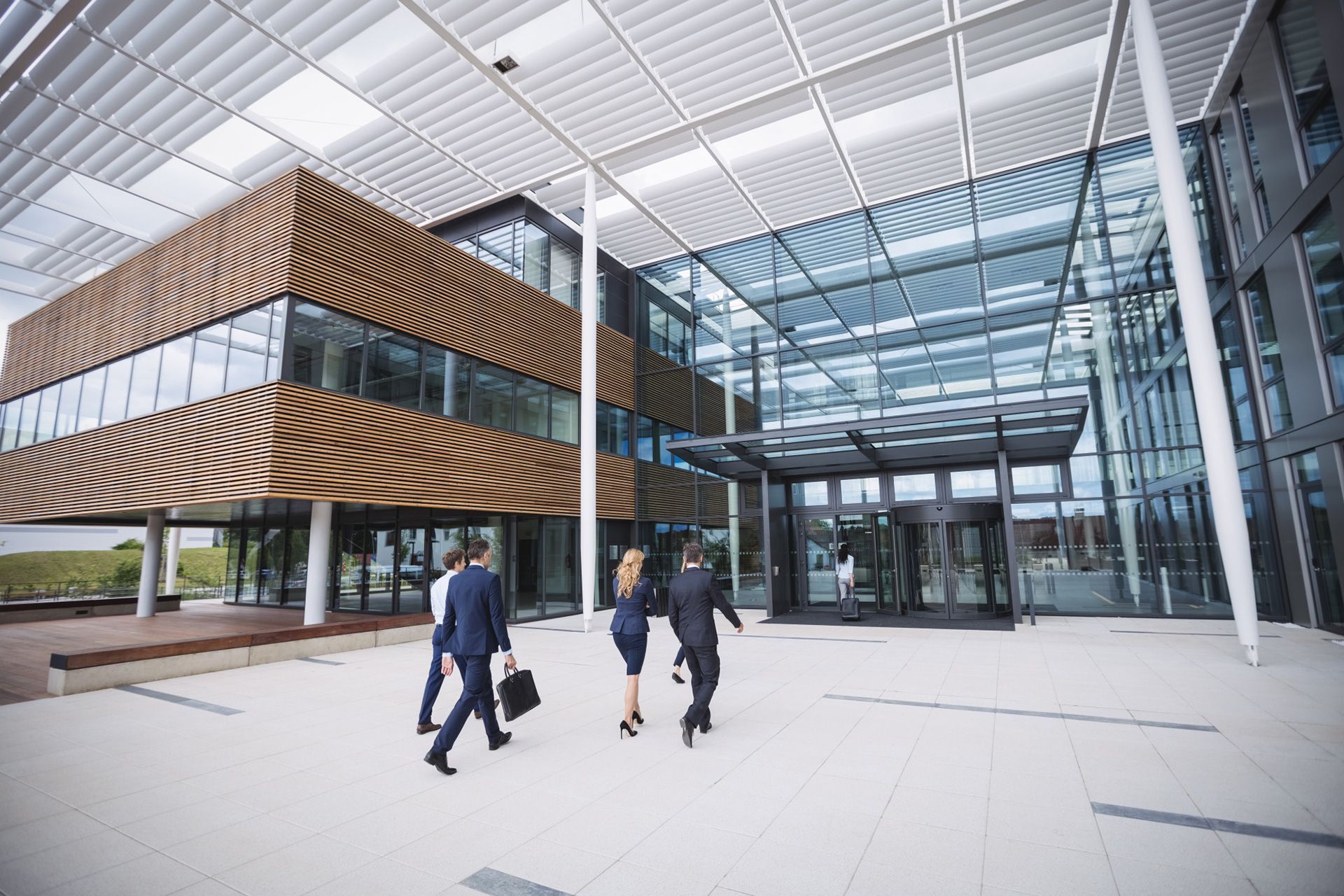
Buying, leasing, or investing in a commercial building involves more than choosing a good location. The property must also support daily operations, accommodate occupants, and remain manageable as building systems age. A building that looks attractive during a showing may have hidden roofing damage, outdated equipment, drainage problems, or maintenance needs that aren't immediately obvious.
A professional commercial property inspection helps reveal visible building concerns before they affect an important decision. It gives buyers, investors, business owners, and property managers a clearer understanding of the building and the responsibilities that may come with it.
Whether you are considering an office, retail space, warehouse, or other commercial property, understanding its physical condition is key to protecting your investment.
Why Building Condition Matters Before Making A Commitment
Commercial properties contain many systems that must work together. Roofing protects the interior, HVAC equipment supports comfort, electrical systems power operations, and plumbing serves employees, customers, and tenants.
When one system develops a serious problem, the effects can extend beyond repairs. Building work may interrupt business operations, limit access to certain areas, or require tenants to adjust their schedules.
A business property assessment helps identify visible concerns before they create unexpected responsibilities. It also gives buyers and owners information they can use when discussing repairs, reviewing property records, or developing maintenance plans.
The goal is not to find a perfect building. It is to understand the building you are considering.
Problems That May Be Missed During A Property Tour
A typical showing focuses on layout, available space, appearance, and business potential. However, freshly painted walls and clean floors reveal little about the condition of major building systems.
For example, an office may have attractive interiors while its rooftop cooling equipment shows significant wear. A retail building may have a newly renovated storefront but still experience drainage problems during heavy rain.
A professional inspection takes a closer look at accessible components and helps document concerns that deserve attention before ownership or occupancy changes.
Why Florida Commercial Properties Need Careful Attention
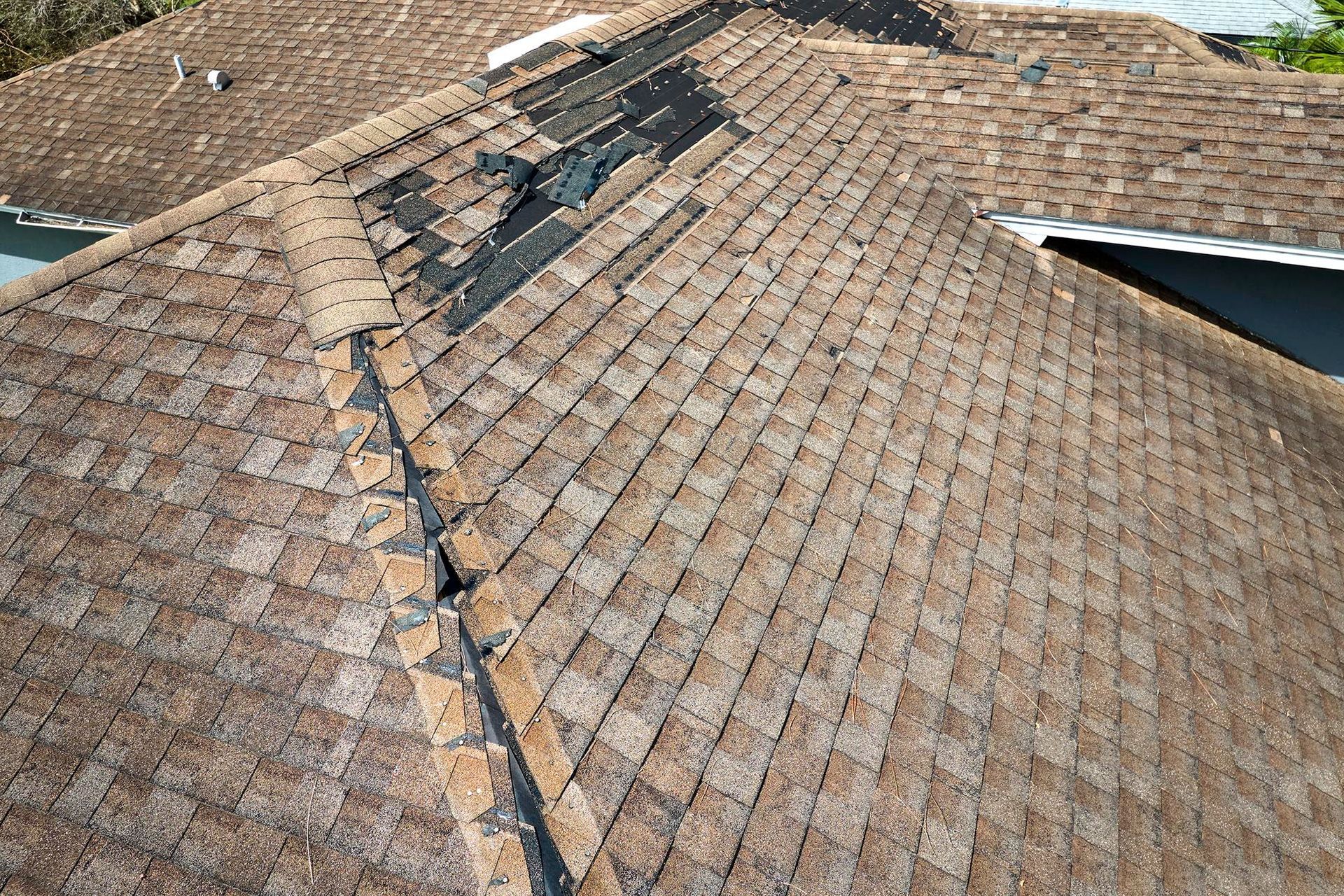
Commercial buildings in Jacksonville and surrounding Northeast Florida communities face demanding weather conditions. Heavy rain, humidity, intense sunlight, and seasonal storms can affect roofing materials, exterior surfaces, drainage systems, and mechanical equipment.
Moisture can also move through damaged openings or poorly maintained commercial roofing systems. Over time, repeated water entry may affect insulation, ceilings, interior finishes, and building operations.
A commercial property condition assessment can help place these visible concerns into the broader context of the property's maintenance needs. Owners can then decide which findings require prompt attention and which items should be monitored.
How Different Property Stakeholders Benefit
A commercial inspection is useful for more than someone purchasing a building. Different stakeholders can use the findings for different decisions.
- Buyers And Investors: The report helps them review the building beyond its location and potential income. They can ask questions about major systems, past repairs, and maintenance responsibilities before closing.
- Business Owners And Tenants: A tenant considering a long-term lease may need to understand the condition of HVAC equipment, plumbing, roofing, or electrical systems. This is especially important when the lease assigns maintenance duties to the tenant.
- Property Managers: Inspection findings can support maintenance schedules and help managers communicate building concerns to owners. They may also help distinguish routine upkeep from issues needing specialist attention.
- Sellers: Reviewing a building before listing may reveal concerns that could affect buyer discussions. Early awareness gives you a chance to gather records, arrange further evaluations, or plan repairs.
When Should You Schedule An Evaluation?
A commercial property evaluation is especially useful before a purchase or lease commitment, but an updated review may also be worthwhile in other situations.
Consider scheduling an inspection before taking ownership, renewing a major commercial lease, planning significant renovations, or changing a building's intended use.
An evaluation may also be helpful after severe weather or when several maintenance concerns arise at once.
For example, repeated ceiling stains, frequent HVAC repairs, and drainage problems may indicate separate issues that warrant a broader building review rather than isolated repairs.
Scheduling early gives the right parties more time to review findings and decide whether additional specialist evaluations are needed.
How Building Condition Can Affect Business Continuity
A commercial property is more than a physical investment. It is also the place where employees work, customers visit, and daily operations take place. When building systems fail unexpectedly, the impact may extend beyond repair work.
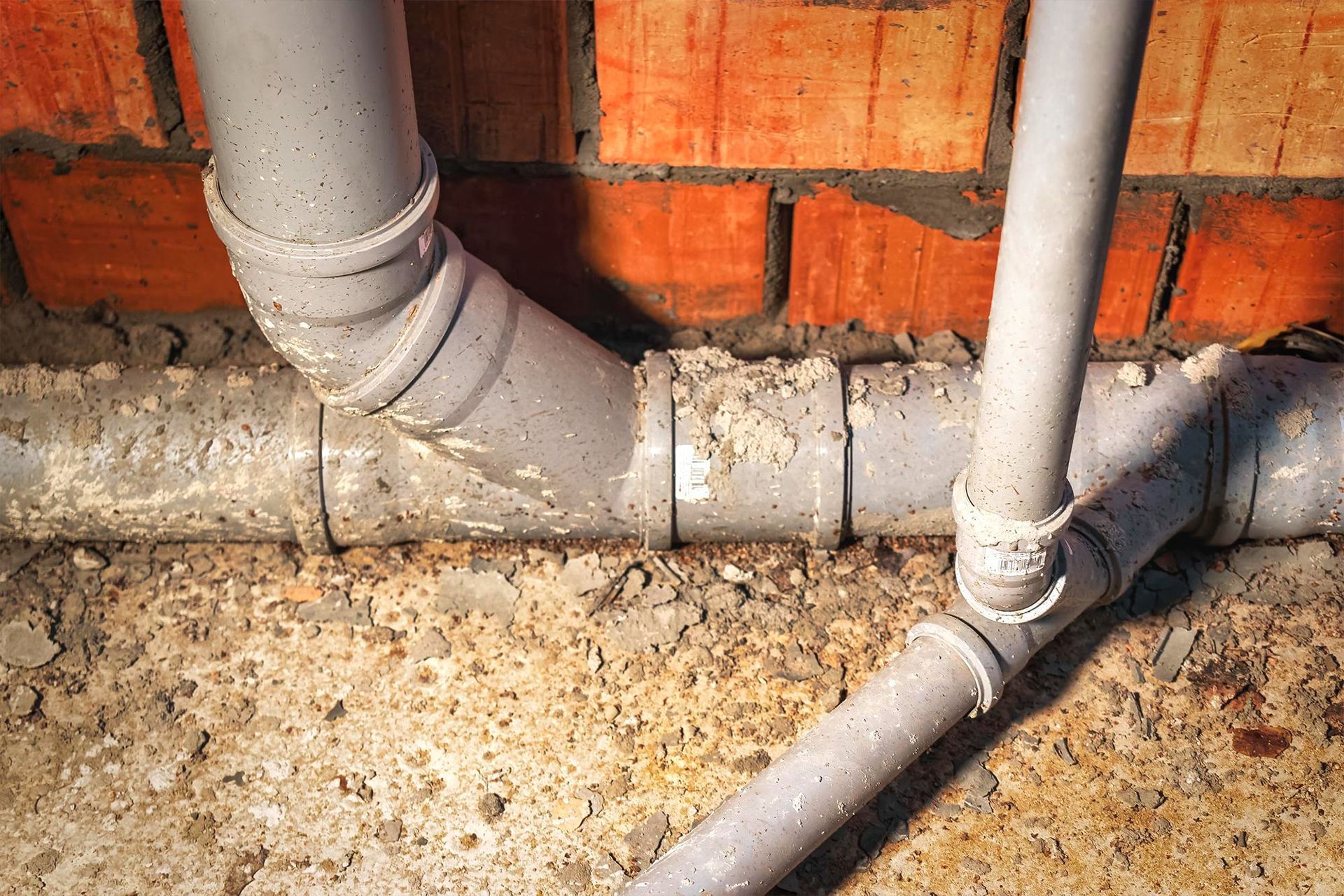
For example, a leaking roof could damage inventory, office equipment, or interior finishes. An HVAC failure may make certain spaces uncomfortable for employees and visitors. Plumbing problems could temporarily close restrooms, kitchens, or other essential areas.
A professional commercial property evaluation helps identify visible concerns that may affect the building’s ability to support normal business activities.
Property owners and investors can use these findings to plan maintenance around operating hours, tenant schedules, and seasonal demands. A business property assessment may also help identify systems that deserve closer attention before a new tenant moves in or a business expands.
This is especially useful for offices, retail buildings, restaurants, warehouses, and multi-tenant properties where unexpected repairs can affect several people or businesses at once.
Understanding the building's condition protects more than the property itself. It supports better operational planning, reduces uncertainty, and gives owners a clearer picture of what may need attention before building concerns interrupt daily activities.
Preparing The Building For Inspection
Good preparation helps the inspector access important systems and gives the client a clearer picture of the property.
Before the appointment, consider these steps:
- Gather Property Records: Collect available building plans, maintenance reports, equipment service records, warranties, and previous inspection documents. These may help clarify system age and repair history.
- Arrange Access: Confirm access to electrical rooms, mechanical areas, rooftops, tenant spaces, and other locations included in the agreed inspection scope.
- Share Known Concerns: Tell the inspector about recurring leaks, equipment problems, past water damage, or areas that have required repeated repairs.
- Identify Your Priorities: Explain whether you are buying, leasing, maintaining, or renovating the property. This helps establish the questions you want the inspection to address.
Know The Inspection Report
An inspection report should clearly explain visible findings in an organized way. It may include photographs, descriptions of observed conditions, recommended further evaluations, and information about systems that require maintenance or repair.
For a formal assessment, the agreed scope may also include document review, interviews, and opinions of costs associated with identified physical deficiencies.
Not every commercial inspection includes those additional services. Clients should confirm what their report will cover before booking.
Use the findings to decide what needs immediate attention, what may require specialist review, and what should become part of a maintenance plan.
What A Commercial Inspection Cannot Guarantee?
A visual inspection cannot uncover every concealed defect or predict exactly when equipment will fail. It also does not automatically establish compliance with building codes, environmental safety, or accessibility requirements.
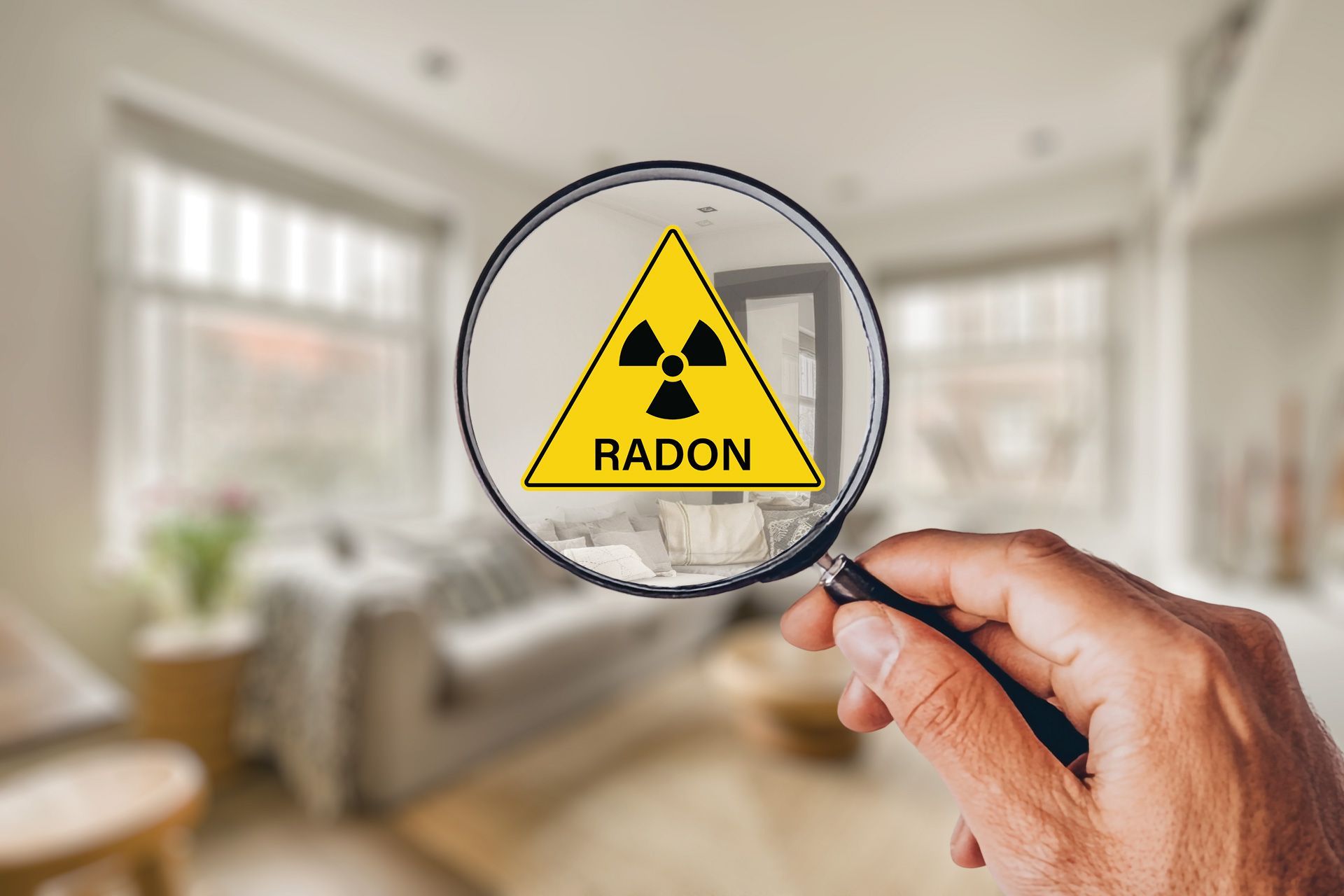
Some properties may require additional services related to environmental conditions, accessibility, fire protection, underground utilities, or structural engineering.
The appropriate scope depends on the building and the decisions the client needs to make.
Conclusion
A commercial building is a significant commitment. Understanding its physical condition before purchasing, leasing, or planning major improvements can help reduce uncertainty and support better property decisions.
Professional commercial property inspection services provide useful information about visible systems, maintenance concerns, and areas requiring further review.
At Superior Inspections, we help buyers, investors, business owners, and property managers understand a commercial building's condition through detailed evaluations and clear reporting. Our team serves Jacksonville and surrounding Northeast Florida communities.
Schedule your commercial building inspection today and gain practical insight before your next property decision.
FAQs
Should I Inspect A Commercial Building Before Signing A Lease?
Yes, particularly if the lease makes you responsible for repairs or maintenance. The inspection can help you understand the building's visible condition before accepting those responsibilities.
Can An Inspection Help With A Multi-Tenant Property?
Yes. An agreed inspection scope may include common areas, accessible building systems, exterior components, and individual tenant spaces where access is available.
Does A Commercial Inspection Identify Every Hidden Problem?
No. A visual inspection documents accessible conditions. Concealed systems, underground components, or suspected structural problems may require additional specialist evaluations.
What Should I Do If The Report Identifies Major Concerns?
Review the findings, ask questions, and arrange qualified specialist evaluations when recommended. The results can help guide repair discussions, maintenance planning, or further property research.
Is An Inspection Useful For A Building I Already Own?
Yes. An updated inspection can help owners and managers identify emerging maintenance concerns, assess aging systems, and plan improvements before problems disrupt building operations.
Disclaimer: The information on this website and blog is for general informational purposes only and is not professional advice. We make no guarantees of accuracy or completeness. We disclaim all liability for errors, omissions, or reliance on this content. Always consult a qualified professional for specific guidance.
Search
Recent Posts