The Ultimate Home Safety Inspection Checklist Before Hurricane Season
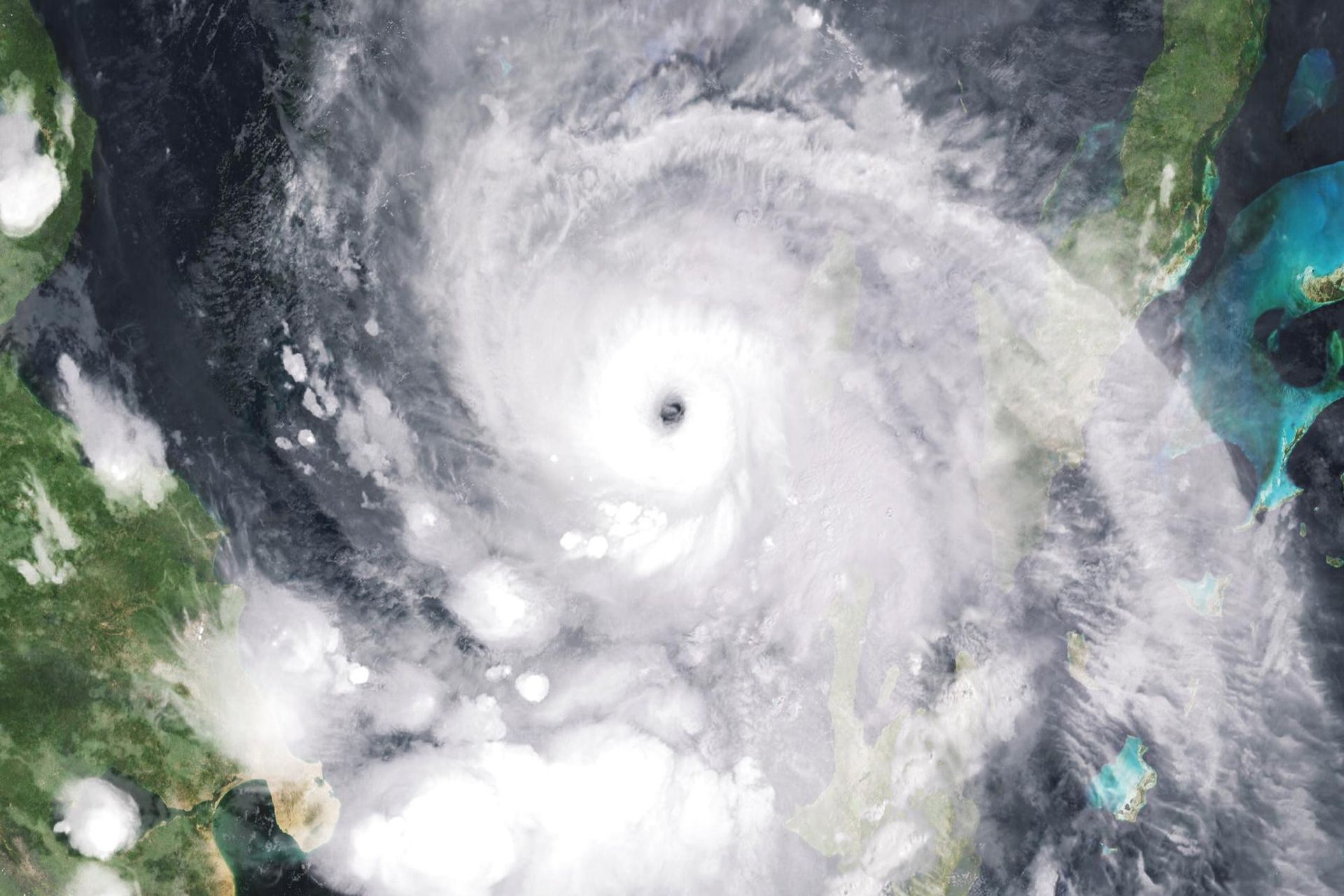
Hurricane season is a good reminder to review your home before strong winds and heavy rain arrive. In Florida, preparation is not only about shutters, batteries, and supplies. It is also about understanding how well your home may perform when storm conditions test the roof, openings, drainage, and major systems.
A home safety inspection checklist can help homeowners view the property in a clear, organized way. It can also help identify visible concerns before the weather changes. For many Jacksonville homeowners, this review also includes checking whether the home may qualify for wind mitigation credits through insurance.
Wind mitigation is one of the most valuable parts of hurricane season planning because it connects storm readiness with possible insurance benefits. A professional home inspection can document key wind-resistant features and give homeowners useful information to share with their insurance carrier.
Why Wind Mitigation Should Be Part Of Storm Season Planning
Before hurricane season, many homeowners focus on supplies and emergency plans. Those items matter, but the physical condition of the home matters too. Strong winds can test the roof, doors, windows, garage door, and exterior openings. Heavy rain can expose drainage problems, roof leaks, and weak seals.
This is why a home inspection should include both general safety items and insurance-related wind features. A home may already have wind-resistant construction features, but they may not be documented for the insurance carrier. Without proper documentation, a homeowner may miss possible credits.
It is important to understand that a wind mitigation inspection is not the same as a comprehensive home inspection or a roof inspection. Its purpose is to document specific wind-resistant construction features for insurance purposes, not to evaluate the overall condition of the home or identify issues such as moisture intrusion or other maintenance concerns. Homeowners who want to assess the condition of their roof or check for signs of water intrusion should schedule a full home inspection or a dedicated roof inspection in addition to a wind mitigation inspection.
Start With The Roof Before Storm Season
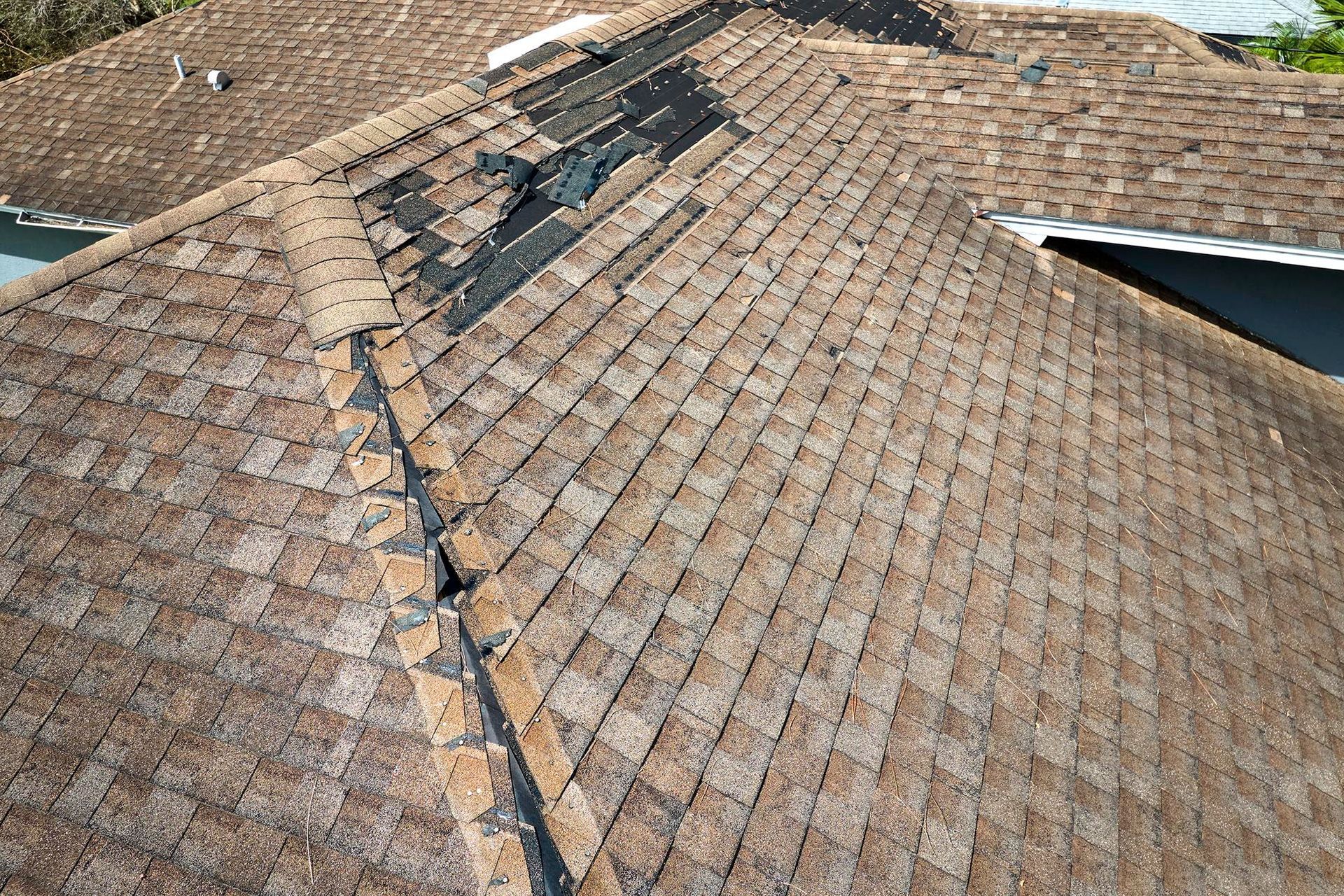
The roof is one of the most important parts of hurricane readiness. It protects the home from rain, wind, debris, and water intrusion. If the roof has missing materials, damaged flashing, lifted shingles, soft areas, or visible wear, storms may make those problems worse.
A roof review should be part of every home safety inspection checklist. Homeowners can look safely from the ground for obvious concerns, but a professional inspection can provide a clearer review of visible roof conditions.
Pay close attention to roof edges, valleys, vents, flashing, and areas around chimneys or skylights. These are common areas where water can enter during wind-driven rain. If stains appear on ceilings or attic materials, the roof may need closer evaluation before storm season begins.
Check Gutters, Downspouts, And Drainage
Water control is a major part of hurricane preparation. Even when the roof is in good condition, poor drainage can allow water to collect near the home.
Gutters should be clear, secure, and properly sloped. Downspouts should move water away from the foundation, doors, and low areas. Soil around the home should direct water away, not toward the structure.
As part of your home wind protection checklist, look for clogged gutters, loose downspouts, washed-out soil, and standing water near exterior walls. These issues may seem simple, but during heavy rain they can lead to moisture problems, foundation concerns, or interior water damage.
Review Windows, Doors, And Garage Doors
Openings are a major focus before hurricane season because they can allow wind and rain inside the home. A window, door, or garage door does not need to fail completely to create damage. Gaps, weak seals, poor latching, or damaged frames can still allow water entry.
Check weather stripping, door sweeps, window locks, glass condition, garage door braces, and shutter hardware. If you have shutters or panels, make sure they are accessible, labeled, and complete. Do not wait until a storm is approaching to find missing fasteners or damaged panels.
Opening protection also matters for wind mitigation credits. If your home has impact-rated windows, approved shutters, or a reinforced garage door, proper documentation may help your insurance carrier review the home for possible savings.
Walk The Exterior And Remove Wind Hazards
The outside of the property should be reviewed before storm season. Loose materials can become hazards during strong winds, and damaged exterior components can create points of water entry.
Look at siding, stucco, trim, soffits, fascia, screens, vents, fences, sheds, and detached structures. Repair or secure loose items. Store outdoor furniture, grills, planters, tools, and decorations before a storm.
Trees and landscaping also deserve attention. Branches touching the roof or hanging over the home can damage roofing materials during high winds. Weak limbs, dead branches, and overgrown vegetation near the structure should be addressed safely by qualified professionals when needed.
Inspect Attic Areas For Clues
The attic can reveal issues that are not visible from the main living areas. During a professional inspection, attic spaces may show signs of past leaks, moisture stains, poor ventilation, damaged insulation, or roof deck concerns.
The attic is also where some wind-resistant features may be verified. Roof deck attachment and roof-to-wall connections are often reviewed from accessible attic areas. This makes attic access important before a wind mitigation review.
A clear path to attic access can help the inspector document what is visible. Homeowners should avoid unsafe entry and should not move through attic areas unless they are trained and it is safe to do so.
Review Electrical, HVAC, And Plumbing Conditions
Hurricane season can bring power outages, heat, humidity, and heavy rain. These conditions can place stress on home systems.
Electrical concerns such as exposed wiring, damaged exterior outlets, loose covers, or frequent breaker trips should be evaluated. Smoke detectors and carbon monoxide detectors should be tested before storm season. If you use a generator, it must be operated outside and away from windows, doors, and vents.
HVAC systems should also be reviewed. Clear debris around the outdoor unit, replace filters, and make sure the system operates properly. Check plumbing areas for leaks under sinks, around toilets, near the water heater, and near washing machine connections.
These items may not qualify for insurance wind credits, but they still belong in a complete home safety inspection checklist because they affect comfort, safety, and maintenance planning.
How Wind Mitigation Credits Fit Into The Checklist
Wind mitigation credits are one reason local homeowners schedule inspections ahead of storm season. If the home has qualifying features, the report may help support possible insurance discounts. These credits depend on the home, the carrier, the policy, and the features documented.
A home wind protection checklist helps homeowners think about both physical protection and insurance documentation. For example, a home with impact-rated windows or strong roof-to-wall connections may have valuable features already in place. The key is having those features properly documented on the correct form.
The inspection does not guarantee a discount. It gives the insurance carrier the information needed to review the home. This distinction is important because inspectors document conditions, while insurance companies decide whether credits apply.
Prepare Before The Inspection
A little preparation can make the inspection process smoother. Make attic access available if safe. Gather documents for roof replacement, impact windows, shutters, garage door upgrades, or other wind-related improvements. Clear areas around the electrical panel, water heater, HVAC equipment, and exterior access points.
If your main goal is insurance review, ask your insurance agent what form or documentation is needed. This helps ensure the inspection supports your policy review as clearly as possible.
Conclusion
Hurricane preparation should include more than emergency supplies. A strong plan should review roofing, drainage, openings, exterior hazards, attic conditions, electrical systems, HVAC, plumbing, and wind-resistant features. A home safety inspection checklist helps homeowners organize these steps before storm season begins.
For many Jacksonville homeowners, the biggest added value comes from identifying and documenting wind mitigation features that may support insurance credits. Roof shape, roof-to-wall attachments, and opening protection can all play an important role in insurance review and storm readiness.
At Superior Inspections, we help Jacksonville homeowners prepare for hurricane season with detailed inspections, clear reports, and practical guidance. Our team documents visible concerns and helps you understand which areas may need attention before severe weather arrives.
Schedule your hurricane season home safety inspection in Jacksonville today.
FAQs
Why Should Wind Mitigation Be Part Of Hurricane Season Planning?
Wind mitigation helps document features that may reduce storm-related damage, such as roof shape, roof attachments, and opening protection. These findings may also support insurance credit reviews.
Can A Wind Report Lower My Insurance Premium?
It may help, but discounts are not guaranteed. The inspection documents qualifying features, and the insurance company decides whether credits apply to the policy.
What Should A Home Wind Protection Checklist Include?
A home wind protection checklist should include roof condition, roof attachments, windows, doors, garage doors, shutters, drainage, loose exterior items, trees, and attic access.
When Is The Best Time To Inspect Before Hurricane Season?
It is best to schedule before storm activity increases. Early inspection gives homeowners more time to review findings, plan repairs, and submit documents to the insurance carrier if needed.
Is A Hurricane Safety Review The Same As A Full Home Inspection?
No. A hurricane safety review focuses on storm-related concerns, wind resistance, drainage, and visible safety items. A full home inspection covers a broader review of the property.
Disclaimer: The information on this website and blog is for general informational purposes only and is not professional advice. We make no guarantees of accuracy or completeness. We disclaim all liability for errors, omissions, or reliance on this content. Always consult a qualified professional for specific guidance.
Search
Recent Posts