A Complete Guide To Florida Home Insurance Inspection Services

Homeowners often hear about insurance inspections when they buy a home or renew a policy. It is often unclear what the insurance company needs or how results affect homeowners' insurance.
Home insurance inspection services in Florida help insurance companies assess property risk before offering or continuing coverage. These inspections are designed for insurance underwriting, not to evaluate the overall condition of the home. They focus on specific systems, roof condition, or wind-resistant features and should never be considered a substitute for a comprehensive home inspection.
The golden rule is simple: A 4-point inspection helps determine insurance eligibility, while a wind mitigation inspection documents features that may qualify for insurance discounts or credits. Neither inspection is intended to identify all of the defects or maintenance concerns that could exist throughout a home.
What Are Florida Insurance Inspections?
Insurance inspections give carriers information about a home’s condition. They help answer practical questions. Does the roof have useful life left? Is the electrical system visibly safe? Are the plumbing and HVAC systems functional?
These inspections are often requested for older homes, aging roofs, first-time policies, or homes moving to a new carrier. The homeowner pays for some inspections, while the insurance company may order others.
Home insurance inspection services in Florida may include a 4-point report, roof condition report, wind mitigation inspection, or another focused review. The type of report depends on the home, the policy, and the company’s guidelines.
Why a 4-Point Inspection in Florida Matters for Insurance Eligibility
The most important idea is this: the 4-point report is mainly about eligibility. It helps answer the question, “Can this home be insured based on the condition of its most critical systems?”
A 4-point inspection in Florida is a limited, insurance-focused review of four systems: roof, electrical, plumbing, and HVAC. It does not inspect the entire home like a standard inspection. It usually takes about an hour, depending on access and size.
This inspection matters because carriers want to know whether these key systems are safe, functional, and free from serious visible hazards. If major defects are present, the carrier may ask for repairs, documents, or further review before offering coverage.
The Four Systems Reviewed
A 4-point inspection focuses only on the systems most connected to insurance risk. These areas help carriers evaluate the chance of leaks, fire hazards, roof failure, water damage, or system breakdown.
Roof System
The roof section documents roof material, age, visible condition, damage, and signs of leaks. The inspector may note missing shingles, damaged flashing, worn materials, or evidence of water entry.
Roof condition is a major concern because storms, rain, sun, and heat can wear down materials over time. Some carriers may request proof of remaining useful life when a roof reaches a certain age.
Electrical System
The electrical review looks at the panel, visible wiring, system type, and safety concerns. The inspector may identify outdated panels, improper wiring, exposed conductors, overheating signs, or other visible hazards.
Unsafe electrical systems can increase fire risk. If a concern is found, a licensed electrician may need to evaluate or repair it.
Plumbing System
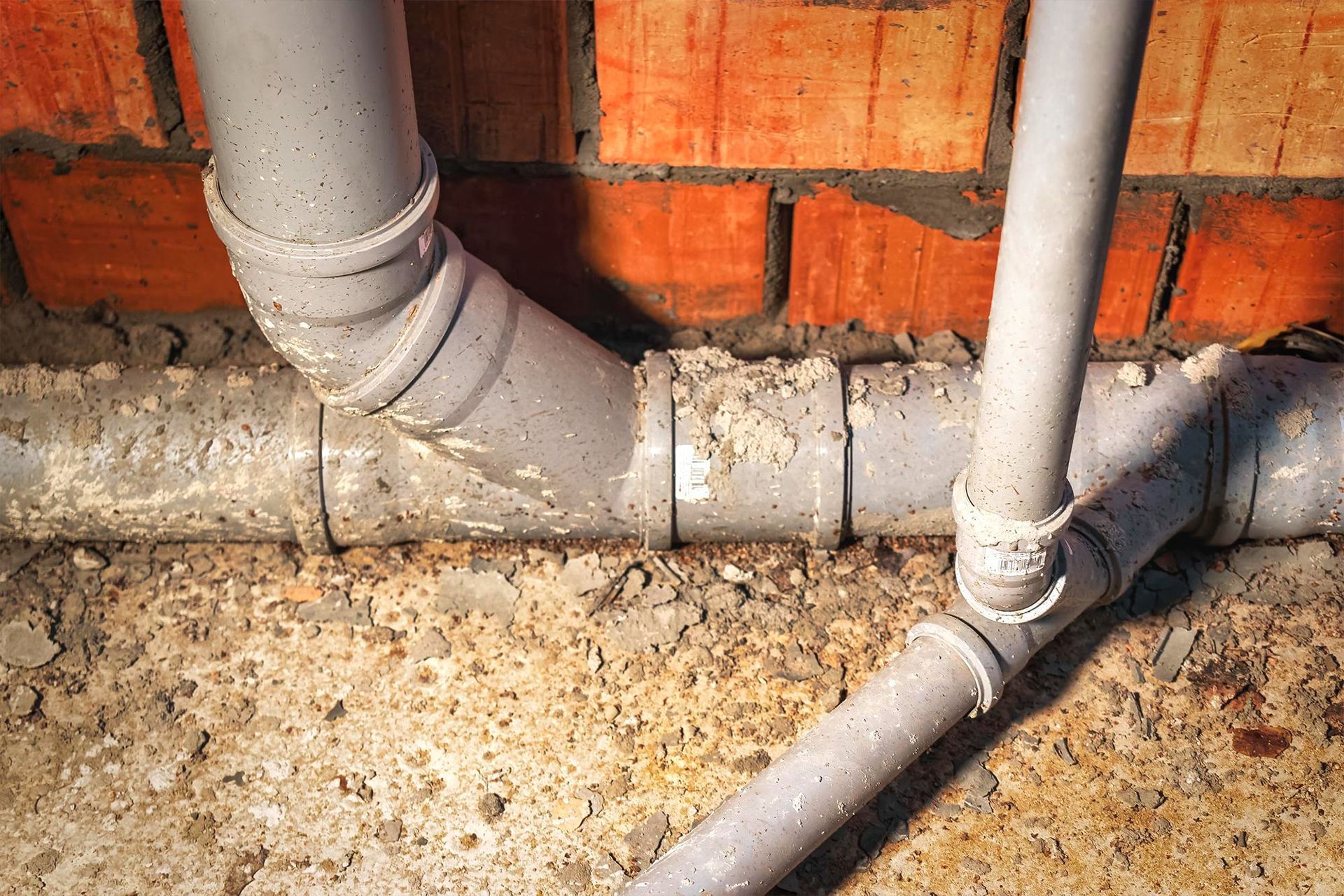
The plumbing section checks visible supply lines, drain lines, water heater condition, leaks, and signs of water damage. The inspector may also identify pipe materials, including higher-risk materials such as polybutylene.
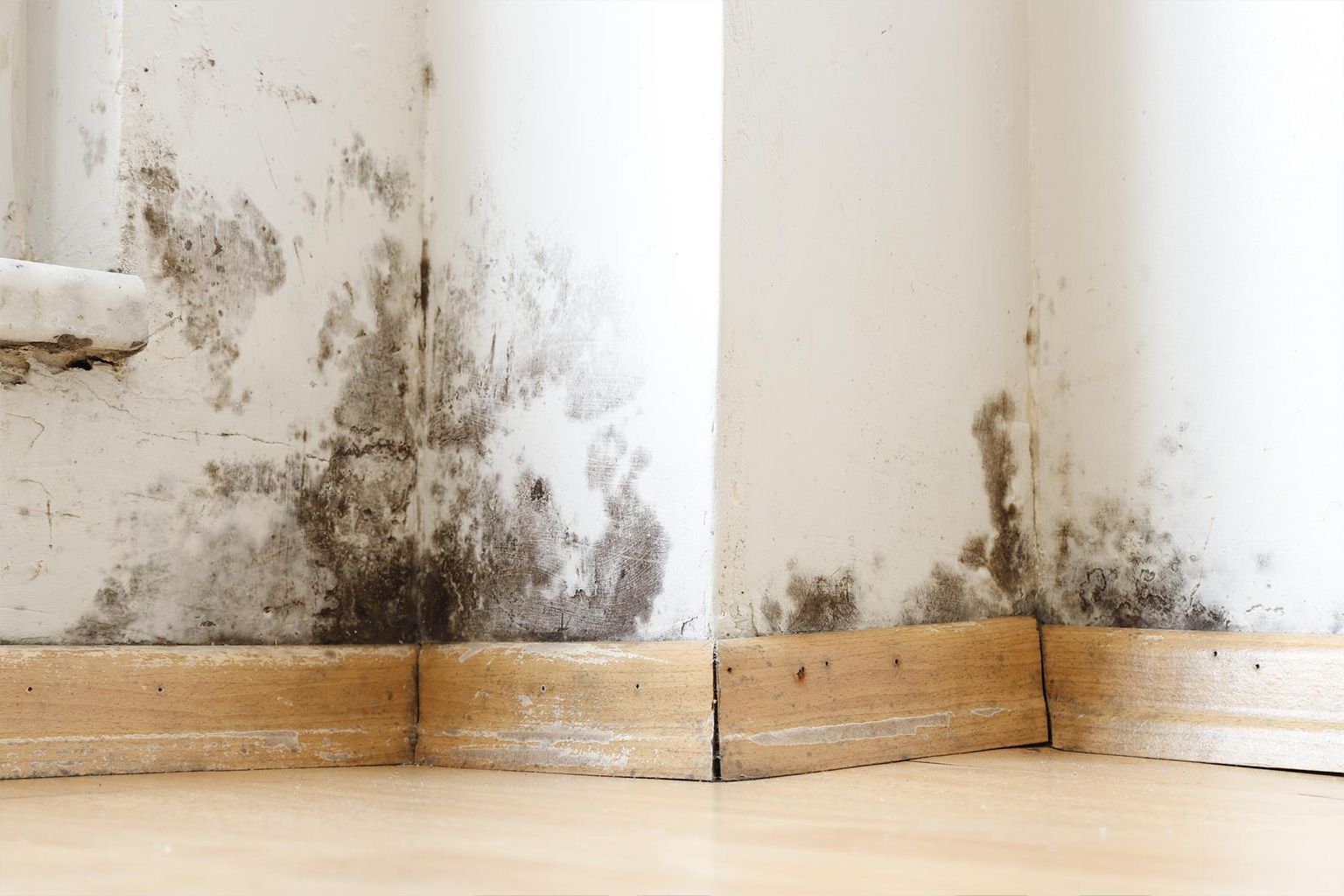
Plumbing matters because leaks can lead to interior damage, mold concerns, and claims.
HVAC System
The HVAC review documents the heating and cooling system’s age, visible condition, basic operation, and safety concerns. In Florida, cooling systems work hard for much of the year.
The inspector may note whether the system appears operational or needs further HVAC review.
It is important to remember that a 4-point inspection is intentionally limited in scope. Many major components of the home, including the foundation, structure, attic, insulation, windows, doors, appliances, drainage, and numerous other systems, are not evaluated during a 4-point inspection. A home can pass a 4-point inspection and still have significant defects elsewhere.
Why Insurance Companies Require These Inspections
Insurance companies use inspections to decide what risks they are willing to accept. Homes face heat, humidity, hurricanes, heavy rain, and aging system concerns. Older homes may have systems that were repaired, replaced, or updated over many years.
A 4-point inspection in Florida does not guarantee approval. It gives the carrier information to review. The company then decides whether to offer coverage, request repairs, or deny the application based on its own underwriting rules.
Citizens Property Insurance currently states that it requires a four-point inspection for property owner, dwelling, and mobile home applications on properties more than 20 years old. Private carrier rules may differ, so homeowners should always confirm requirements with their agent.
How A 4-Point Inspection Differs From A Full Home Inspection
A full home inspection is broader. It may review the roof, exterior, structure, attic, electrical, plumbing, HVAC, interior rooms, appliances, doors, windows, grading, and many accessible components. It helps buyers or homeowners understand the overall property condition.
A full home inspection is designed to help you understand the overall condition of the property. It evaluates hundreds of accessible components throughout the home, identifies defects, documents maintenance concerns, and helps buyers make informed decisions before closing.
A 4-point inspection serves a very different purpose. It is a limited inspection created specifically for insurance underwriting and only evaluates four major systems: the roof, electrical, plumbing, and HVAC systems. It is not intended to identify every defect or condition that may exist within the home.
Think of it this way: the 4-point inspection helps the insurance company decide whether it is willing to insure the home. A comprehensive home inspection helps you decide whether you want to buy it and what repairs or maintenance may be needed.
For the greatest peace of mind when buying or selling a home, a comprehensive home inspection is one of the best investments you can make. The knowledge gained from a full inspection often saves homeowners thousands of dollars by identifying issues before they become costly surprises.
Other Insurance-Related Inspection Services
Home insurance inspection services in Florida are not limited to 4-point reports. Wind mitigation inspections document features such as roof shape, roof deck attachment, roof-to-wall connections, secondary water resistance, and opening protection. These reports may help carriers review possible windstorm credits, but the insurance company decides eligibility and credit amount.
Roof condition reports may be requested when the roof is older or when the carrier needs clearer information about visible roof condition and remaining useful life.
How To Prepare Before The Inspection
First, make key areas accessible. The inspector may need to view the electrical panel, water heater, HVAC equipment, attic access, plumbing areas, and exterior roof conditions.
Second, gather documents. Roof permits, electrical repair invoices, plumbing records, HVAC service notes, and water heater information can help support the report.
Third, fix known hazards before the appointment if possible. Active leaks, exposed wiring, missing panel covers, damaged plumbing, or nonworking HVAC equipment may create underwriting problems.
After the inspection, the report is usually sent to the homeowner, agent, or carrier. The carrier reviews the findings and decides whether to continue, request repairs, ask for documents, or require further evaluation.
Conclusion
Insurance inspections are a normal part of owning or buying a home, especially when a property is older or has systems that may raise underwriting questions. The key is knowing which inspection is needed and what it is meant to show.
Home insurance inspection services in Florida help document property conditions for insurance underwriting. A 4-point inspection focuses on insurance eligibility by evaluating the roof, electrical, plumbing, and HVAC systems, while wind mitigation and roof certification inspections provide additional information that may affect coverage or potential discounts.
While these inspections are valuable, they should never be mistaken for a comprehensive home inspection. If you're buying or selling a home, a full inspection remains the best investment for understanding the property's overall condition and avoiding unexpected repairs after closing.
At
Superior Inspections, we provide both insurance inspections and comprehensive home inspections throughout Northeast Florida and Southeast Georgia. Whether you need a 4-point inspection for your insurance carrier or a complete evaluation before purchasing a home, our experienced inspectors deliver detailed reports, clear photographs, and practical recommendations to help you make informed decisions with confidence.
FAQs
Does A 4-Point Inspection Replace A Full Home Inspection?
No. A 4-point report is limited to the roof, electrical, plumbing, and HVAC systems. A full home inspection reviews many more areas of the property.
Why Does My Insurance Company Care About Roof Age?
Roof age helps the carrier understand possible risk. Older roofs may be more likely to leak or have storm-related concerns.
Can I Fail An Insurance Inspection?
An inspector report documents visible conditions, and the insurance company makes the underwriting decision.
Do All Older Homes Need The Same Insurance Inspection?
No. Requirements can vary by carrier, home age, roof condition, property type, and homeowners insurance situation.
Who Reviews The Final Report?
The insurance company or underwriter reviews the report. They may accept it, ask for repairs, request more documents, or require further evaluation.
Disclaimer: The information on this website and blog is for general informational purposes only and is not professional advice. We make no guarantees of accuracy or completeness. We disclaim all liability for errors, omissions, or reliance on this content. Always consult a qualified professional for specific guidance.
Search
Recent Posts