Essential End-of-Year Home Maintenance Tips from Your Trusted Inspector
The end of the year is a good time to slow down, look around your home, and check whether important systems are working as they should. Many people focus on holiday plans, family visits, and New Year goals, but home safety should also be part of the season.
A simple home safety checklist can help homeowners find small issues before they become bigger concerns. It can also help families feel more prepared, especially before colder weather, travel, guests, or long periods of indoor activity.
This guide explains what to review at the end of the year and how to make smart updates to support residential home safety over the next 12 months.
Why End-of-Year Home Safety Matters
Homes change over time. Weather, daily use, aging materials, and normal wear can affect different parts of the property. A loose handrail, clogged dryer vent, weak smoke detector battery, or small roof leak may not seem urgent at first. Over time, these issues can create safety concerns or lead to preventable damage.
An end-of-year review helps homeowners take a practical look at the property. It is not about fear or overreacting. It is about knowing what needs attention and planning repairs before problems become harder to manage.
A clear checklist for home inspection can also help homeowners prepare for seasonal risks such as heavy rain, cooler temperatures, increased electrical use, and holiday decorations.
Start With Smoke And Carbon Monoxide Detectors
Smoke detectors and carbon monoxide detectors are among the most important safety devices in any home. They should be tested regularly, and the end of the year is a great reminder to check them.
Walk through the home and test each device. Make sure detectors are installed in the right areas, including bedrooms, hallways, and common living spaces. Replace batteries if needed, and check the age of each unit. Many detectors have a recommended replacement timeline, so older devices may need to be updated.
Carbon monoxide detectors are especially important in homes with gas appliances, fireplaces, or attached garages. These devices can alert occupants to a dangerous gas that cannot be seen or smelled.
Review Electrical Safety Around The Home
Electrical issues are a common concern in many homes, especially older properties. During your yearly review, look for warning signs that may need attention.
Check outlets, switches, extension cords, and visible wiring. Loose outlets, flickering lights, warm switch plates, or frequently tripped breakers should not be ignored. These may indicate overloaded circuits or other electrical concerns.
Holiday lights and extra decorations can also increase electrical demand. Avoid overloading outlets, and use extension cords only as intended. If you notice damaged cords or exposed wiring, stop using them and have the issue evaluated by a qualified professional.
Electrical safety is an important part of any home safety checklist because small warning signs can indicate larger, hidden issues.
Inspect Heating, Cooling, And Ventilation Systems
Your HVAC system helps maintain comfort and indoor air quality. At the end of the year, it is smart to check whether the system is operating properly.
Replace or clean air filters, check for blockages in vents, and listen for unusual noises when the system runs. Poor airflow, uneven temperatures, or frequent cycling may suggest the system needs maintenance.
Good ventilation also matters. Bathroom fans, kitchen exhaust fans, and laundry areas should operate properly to help control moisture and indoor air quality issues. Moisture buildup can contribute to odors, surface damage, and possible mold growth.
Keeping these systems in good condition supports both comfort and residential home safety.
Check Doors, Windows, And Locks
Doors and windows affect comfort, security, and energy performance. At the end of the year, open and close each window and exterior door to confirm they work properly.
Look for damaged locks, broken seals, cracked glass, loose frames, or gaps that allow air or water to enter. Weather stripping may wear out over time and may need replacement.
A simple check can help improve safety and reduce drafts. It can also help homeowners identify water intrusion issues before they cause damage to nearby walls, flooring, or trim.
Examine Plumbing and Water-Related Areas
Water damage can be costly and disruptive, so plumbing should be on your safety checklist for your home. Start with areas where leaks are common, such as under sinks, around toilets, near the water heater, and around washing machine connections.
Look for stains, soft cabinet floors, dripping pipes, corrosion, or musty odors. Check visible supply lines and drain connections. Make sure the water heater area is clear and accessible.
Small leaks are not always obvious, but they can cause damage over time. Finding them early can help homeowners plan repairs before moisture spreads.
Review The Roof, Gutters, And Exterior Drainage
The outside of the home protects everything inside. Before the year ends, walk around the property and look for visible concerns.
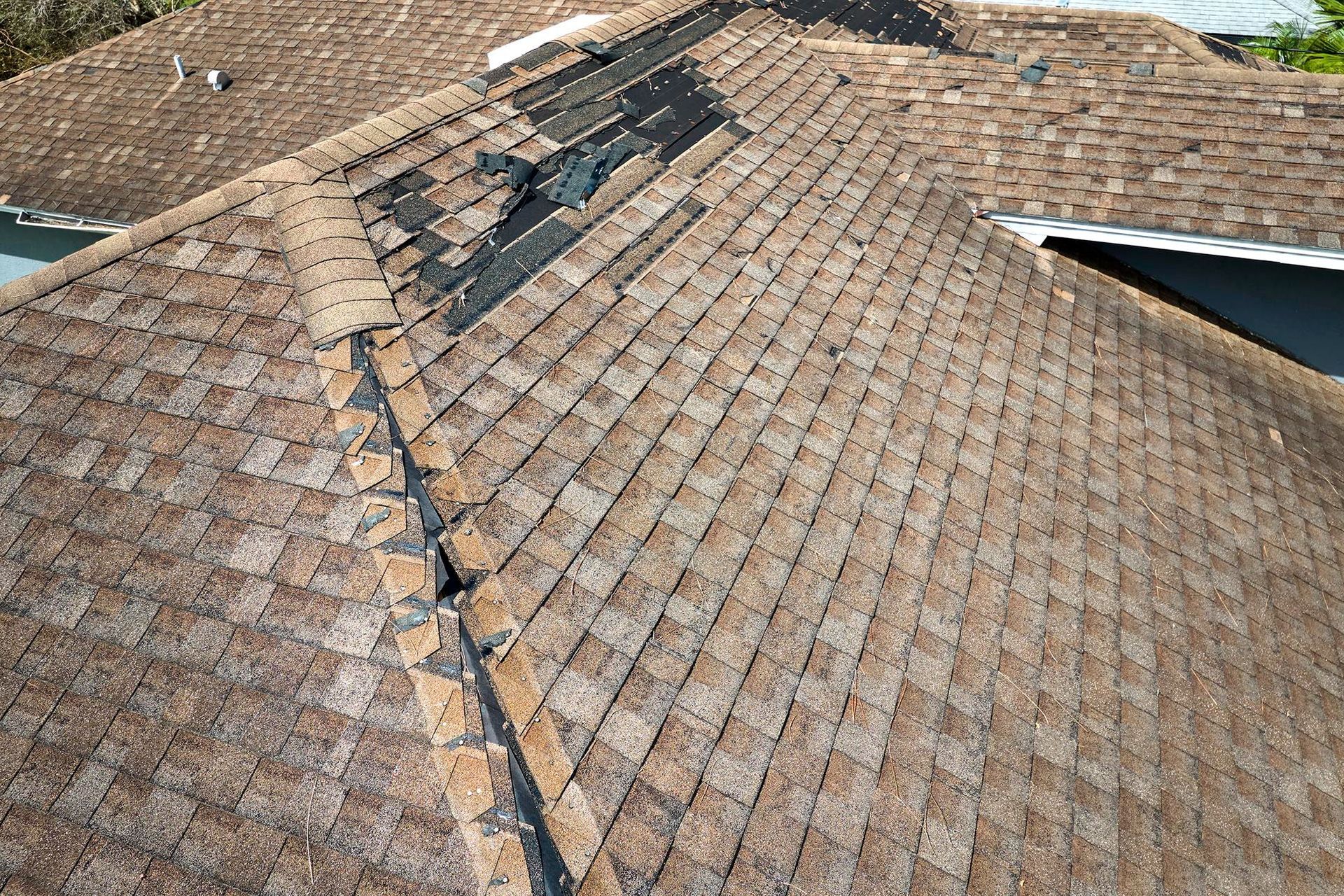
Check for missing shingles, damaged flashing, clogged gutters, loose downspouts, and areas where water collects near the foundation. Gutters should move water away from the home, not allow it to overflow near walls or entry areas.
You do not need to climb onto the roof to perform a basic review. Many concerns can be spotted safely from the ground. If something appears damaged or unclear, a professional roof inspection can provide a more thorough evaluation.
When To Consider A Professional Home Safety Review
A homeowner can complete many basic safety checks. However, some concerns are easier to identify with a trained eye.
A professional inspection can help evaluate visible systems and components such as roofing, electrical, plumbing, HVAC, structure, and safety-related conditions. This can be helpful if the home is older, recently renovated, preparing for sale, or used by seniors or family members with mobility concerns.
A professional review does not replace routine maintenance, but it can add clarity and help homeowners prioritize next steps.
Conclusion
An end-of-year home safety checklist helps homeowners start the next year with better information and more confidence.
At Superior Inspections, we help homeowners in Jacksonville better understand their property's condition through clear, detailed inspection services. Our team provides practical information that supports safer living, smarter maintenance, and more confident property decisions.
Schedule your home safety inspection in Jacksonville today by calling 833-633-5467 or booking online.
FAQs
What Should Be Included In A Home Safety Checklist?
A home safety checklist should include smoke detectors, carbon monoxide detectors, electrical outlets, plumbing areas, HVAC systems, stairs, walkways, doors, windows, roof drainage, and emergency supplies.
How Often Should I Review My Home For Safety Issues?
A basic safety review should be done at least once a year. Many homeowners choose the end of the year as a natural time to prepare for the months ahead.
Why Is Residential Home Safety Important For Older Homes?
Older homes may have aging systems, worn materials, outdated electrical components, or hidden maintenance concerns. Regular reviews help identify issues before they become larger safety or repair problems.
Can I Complete A Checklist For House Safety Myself?
Yes. Homeowners can check many visible items, such as detectors, lighting, locks, leaks, and trip hazards. A professional inspection may be helpful for a more detailed review of major systems.
When Should I Call A Professional Home Inspector?
You should consider a professional inspection if you notice signs of damage, plan to buy or sell a home, have an older property, or want a clearer understanding of your home’s overall condition.
Disclaimer: The information on this website and blog is for general informational purposes only and is not professional advice. We make no guarantees of accuracy or completeness. We disclaim all liability for errors, omissions, or reliance on this content. Always consult a qualified professional for specific guidance.
Search
Recent Posts