How to Prepare Your Home for a Professional Inspection

Preparing your home for a professional inspection isn’t about “hiding” problems, it’s about ensuring the inspector has clear, safe, and complete access to evaluate your property accurately. Whether you’re selling your home, nearing the end of a builder warranty, or simply scheduling a routine inspection, proper preparation can make the process smoother, faster, and more beneficial for everyone involved.
At Superior Inspections, we’ve seen firsthand how a well-prepared home leads to a more efficient inspection and a clearer, more accurate report. In this guide, we’ll walk you through exactly how to get your home inspection-ready so you can avoid delays, reduce stress, and make the most of your inspection.
Why Preparation Matters Before a Home Inspection
A home inspection is a detailed evaluation of your property’s major systems and components—from the roof down to the foundation. If areas are blocked, systems are turned off, or access is restricted, the inspector may not be able to fully assess the home.
This can lead to:
- Incomplete reports
- Follow-up inspections (which cost time and money)
- Delays in closing (for real estate transactions)
- Missed issues that could become bigger problems later
Proper preparation ensures the inspector can do their job thoroughly, giving you the most accurate picture of your home’s condition.
1. Ensure Easy Access to Key Areas
One of the most common issues inspectors face is limited access. Before your inspection, make sure all critical areas are accessible.
Areas to Clear:
- Attic प्रवेश points
- Electrical panels
- HVAC systems (indoor and outdoor units)
- Water heater
- Crawl spaces
- Garage walls and storage areas
- Under sinks
Move furniture, boxes, or stored items that may block access. Inspectors are not permitted to move heavy items, so accessibility is your responsibility.
2. Turn On All Utilities
Your inspector will need all systems operational to properly evaluate them.
Make Sure:
- Electricity is turned on
- Water supply is active
- Gas lines (if applicable) are connected
- Pilot lights are lit (for furnaces, water heaters, etc.)
If utilities are off, the inspector won’t be able to test essential systems, which could result in an incomplete inspection.
3. Replace Burnt-Out Bulbs and Check Fixtures
This might seem minor, but it matters. If a light fixture doesn’t work, the inspector can’t determine whether the issue is a simple bulb replacement or an electrical problem.
By replacing burnt-out bulbs beforehand, you:
- Help avoid unnecessary concern in the report
- Present your home as well-maintained
- Save time during inspection
4. Test Smoke and Carbon Monoxide Detectors
Safety devices are an important part of any inspection. Ensure that:
- Smoke detectors are functional
- Carbon monoxide detectors are installed where required
- Batteries are fresh
If detectors are missing or not working, it may be flagged as a safety concern.
5. Address Minor Repairs in Advance
While you don’t need to fix everything before an inspection, taking care of small, obvious issues can make a big difference.
Examples:
- Fix leaky faucets
- Tighten loose handles or railings
- Patch small wall holes
- Replace damaged outlet covers
- Repair running toilets
These small fixes show that the home has been well-maintained and can prevent minor issues from stacking up in the report.
6. Clean the Home (Especially Key Areas)
A clean home doesn’t just look good, it helps the inspector do their job more efficiently.
Focus On:
- Kitchen and appliances
- Bathrooms
- Basement or crawl spaces
- Garage
- Around HVAC units
You don’t need a deep clean, but removing clutter and dirt makes it easier to identify potential issues.
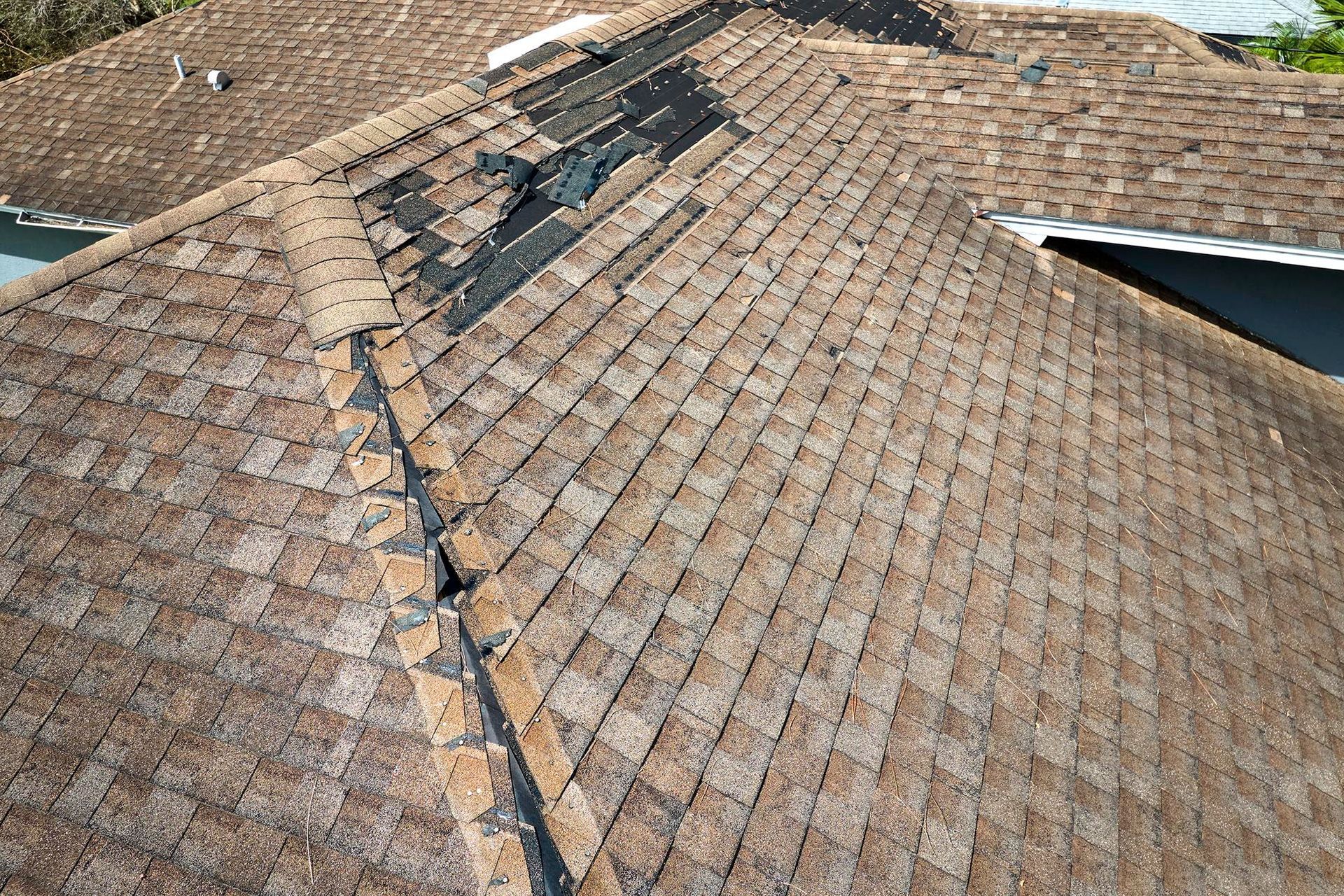
7. Provide Roof and Exterior Access
The inspector will need to evaluate your roof and exterior areas.
Prepare By:
- Unlocking gates
- Securing pets
- Clearing yard debris
- Ensuring safe access to the roof (if applicable)
If the roof is inaccessible, the inspection may be limited or require rescheduling.
8. Secure Pets
Pets can be a safety concern and a distraction during inspections.
- Keep pets in a secure area or remove them from the home
- Inform the inspector if pets are present
- Avoid allowing pets to roam freely during the inspection
This ensures safety for both the inspector and your pets.
9. Leave Keys and Access Information
If certain areas require keys (like electrical panels, sheds, or gates), make sure they are available.
Also, provide:
- Garage door openers
- Alarm system instructions
- Any necessary access codes
This prevents delays and ensures all areas can be inspected.
10. Prepare Documentation
Having documentation ready can be extremely helpful.
Include:
- Repair and maintenance records
- Roof replacement details
- HVAC servicing history
- Warranty information
- Permits for renovations or additions
This information gives the inspector valuable context and may positively influence the report.
11. Check Plumbing and Water Systems
Before the inspection:
- Look for visible leaks under sinks
- Ensure toilets flush properly
- Check water pressure
- Clear slow drains
While the inspector will evaluate plumbing, addressing obvious issues in advance helps streamline the process.
12. Ensure HVAC Systems Are Accessible and Functional
Make sure:
- Air filters are clean
- Vents are not blocked
- Thermostat is working
- Outdoor units are clear of debris
A properly functioning HVAC system is a major component of any inspection.
13. Prepare for Attic and Crawl Space Inspection
These areas are often overlooked but critical.
- Remove obstructions near access points
- Ensure there is safe entry
- Avoid storing hazardous materials in these spaces
Inspectors need safe and clear access to evaluate insulation, ventilation, and structural components.
14. Be Ready to Leave During the Inspection
If you’re a seller, it’s generally recommended that you leave the property during the inspection.
This allows:
- Buyers to feel comfortable
- Inspectors to focus without interruption
- Open communication between parties
If you’re the homeowner not involved in a sale, you may stay, but giving space is still appreciated.
Common Mistakes to Avoid
- Blocking access to key systems
- Turning off utilities
- Ignoring small repairs
- Forgetting to secure pets
- Not cleaning cluttered areas
- Missing documentation
Avoiding these mistakes can significantly improve the inspection experience.
Final Thoughts
Preparing your home for a professional inspection doesn’t require major renovations, it’s about accessibility, functionality, and basic maintenance. A well-prepared home allows inspectors to perform a thorough evaluation, resulting in a more accurate and helpful report.
Whether you’re buying, selling, or maintaining your property, taking the time to prepare ensures you get the most value from your inspection.
Schedule your professional home inspection with Superior Inspections today and gain the clarity you need to move forward with confidence.
Frequently Asked Questions (FAQs)
Do I need to fix everything before a home inspection?
No. Focus on minor repairs and accessibility. Major issues can be addressed after the inspection.
How long does a home inspection take?
Typically 2–4 hours, depending on the size and condition of the home.
Should I be present during the inspection?
Buyers are encouraged to attend. Sellers usually leave to allow a smoother process.
What happens if something is inaccessible?
The inspector may note it as “not inspected,” which could require a follow-up visit.
Can I fail a home inspection?
No. Inspections are not pass/fail, they simply report the condition of the home.
Do inspectors move furniture or belongings?
No. Homeowners must ensure all areas are accessible beforehand.
Will cleaning my home affect the inspection?
Cleaning doesn’t change the condition, but it helps the inspector work more efficiently and see issues clearly.
Disclaimer: The information on this website and blog is for general informational purposes only and is not professional advice. We make no guarantees of accuracy or completeness. We disclaim all liability for errors, omissions, or reliance on this content. Always consult a qualified professional for specific guidance.
Search
Recent Posts