What Should You Do After Detecting Mold in Your Home?
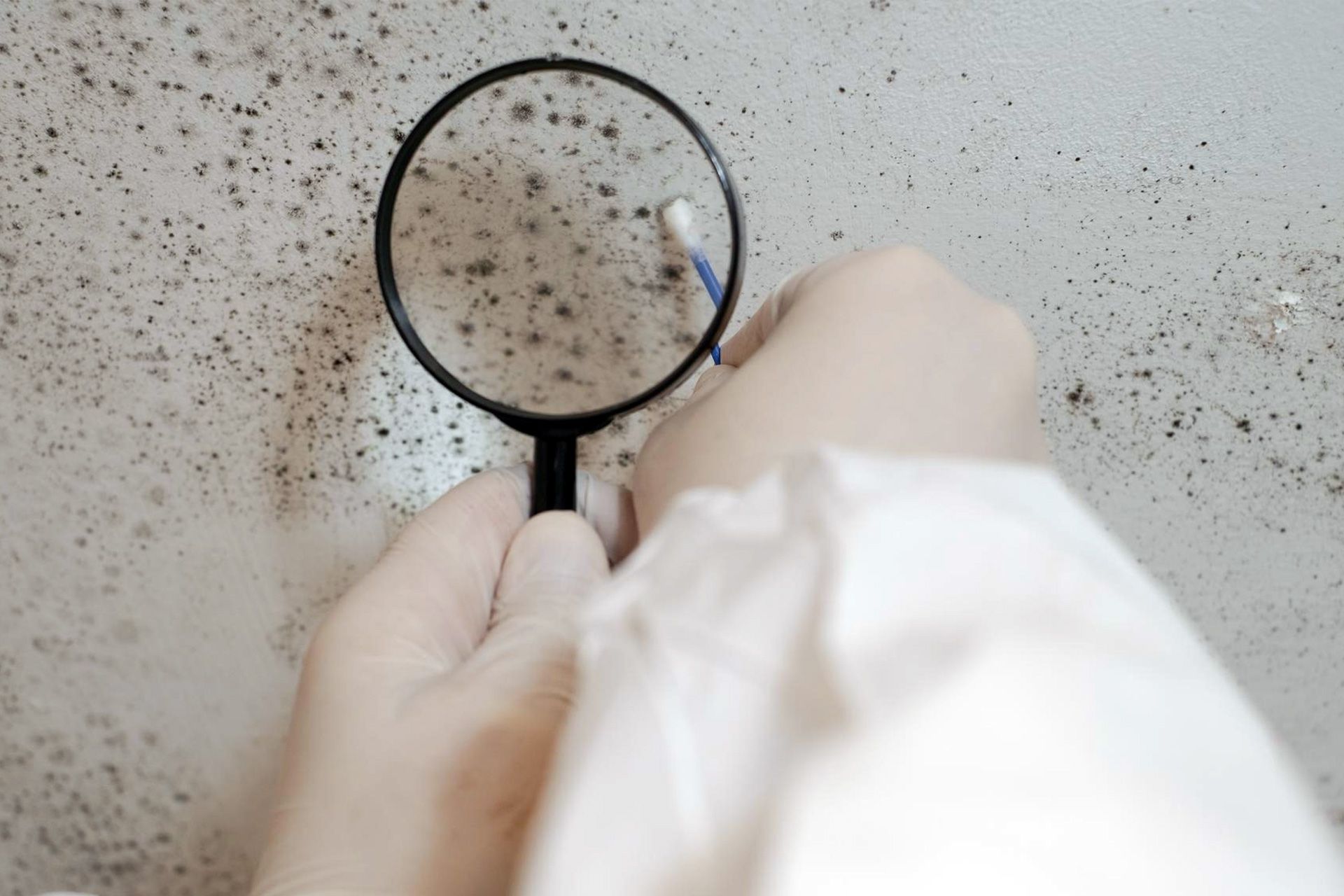
Finding mold in your home can be unsettling, but the next steps should be practical. The goal is not simply to wipe away what you can see. You need to understand why the mold developed, how far it may extend, whether a professional evaluation is appropriate, and what should happen before you consider the affected area corrected.
After mold detection in home areas such as bathrooms, attics, closets, or around windows, start by looking for moisture. A leak, condensation, high humidity, a roof problem, a plumbing issue, or a past water event may be the cause.
A useful response follows a clear order: control the moisture source, evaluate the problem's extent, understand any testing performed, complete the needed cleanup, and confirm the area stays dry afterward.
First, Find Out Where The Moisture Is Coming From
Cleaning visible mold without fixing the moisture usually only provides a temporary improvement. If the water source remains, mold can return.
Check the area around the growth for roof leaks, plumbing leaks, damp drywall, condensation around windows or pipes, water staining, poor ventilation, or moisture around HVAC equipment. Also think about recent events. A small leak behind a sink or an overflowing appliance may leave wet materials unnoticed at first.
The moisture source isn't always right next to the visible mold. Water can travel along framing, pipes, ceilings, or wall cavities before it becomes visible.
If you cannot identify the source, you may need further evaluation before cleanup begins. Fixing the cause first gives the cleanup a better chance of lasting.
Decide Whether Professional Evaluation Is Appropriate
A small, clearly defined area is different from widespread growth, recurring mold, or a problem involving hidden moisture.
You may want to hire a professional mold inspector when the extent is unclear, mold keeps returning, you have a strong musty odor with no obvious source, or you suspect growth inside walls, ceilings, or other concealed spaces.
Testing is not always necessary when mold is already visible. The EPA notes that visible mold often provides enough reason to address the moisture source and clean up the growth.
Sampling can be more useful when the source is unclear or when the results would change the response plan.
Understand What Mold Testing Can And Cannot Tell You
Homeowners sometimes expect a mold test to produce a simple pass-or-fail answer. Mold results are usually more complicated.
Air and surface samples can show what was collected at a specific location and time. However, mold spores naturally exist indoors and outdoors, and no single federal safe level applies to every indoor mold result.
Reading mold test results should involve context. The sample location, visible conditions, moisture history, outdoor comparison samples, collection method, and reason for testing can all matter.
If you do not understand the inspection report, ask the professional who performed the assessment to explain what the findings mean for the property.
Avoid Disturbing A Larger Mold-Affected Area
Scrubbing, cutting, sanding, removing drywall, or pulling up flooring can disturb mold-contaminated material and spread dust or spores into nearby spaces.
For a limited area, the homeowner may be able to manage cleanup with appropriate precautions. Larger or more complicated conditions may require trained professionals to plan containment and remove materials.
Be especially cautious when sewage, extensive water damage, or large affected areas are involved. The response should match the size and complexity of the problem.
What Happens During Mold Remediation?
Mold remediation is not simply spraying a product over visible growth. A proper plan focuses on correcting moisture, removing or cleaning affected materials as appropriate, controlling the work area when needed, and drying the space.
Depending on the conditions, the work may include:
- Correcting the moisture source: Address leaks, condensation, drainage problems, or humidity concerns before closing up the area.
- Removing materials that cannot be cleaned: Some porous materials may need to be discarded when growth has deeply affected them.
- Cleaning salvageable surfaces: Use appropriate methods to remove visible growth and residue from materials that can remain.
- Drying the area: Materials and surrounding spaces should be dry before you complete repairs or finishes.
Do Not Hide The Problem With Cosmetic Repairs
Painting over visible growth, installing new drywall over damp materials, or replacing flooring before you fix the moisture issue can hide the evidence without addressing the cause. Understanding how moisture and mold can affect your health and home helps explain why cosmetic repairs alone are not enough.
Properly address moldy or wet materials before closing or refinishing an area. Homeowners should also avoid rushing into reconstruction immediately after cleanup. The underlying area should be dry, and the moisture source should be under control first.
Consider Post-Remediation Verification
After cleanup, the next question is whether the work achieved its purpose.
Post-remediation verification can involve a visual review of the corrected area, moisture checks, and, in some situations, additional sampling. The right approach depends on why the mold developed, how extensive the work was, and what was agreed on before cleanup.
A successful result should include control of the original water problem and no visible mold growth or moldy odor in the treated area. The EPA also notes that sampling should not replace visual assessment when evaluating cleanup.
For larger projects, independent verification can provide another review before contractors replace walls, flooring, or other finishes.
Watch The Area After Cleanup
The work should not end the moment contractors leave.
Keep watching the corrected area for water stains, musty odors, condensation, discoloration, or returning moisture. If the original cause was a roof leak or plumbing issue, check the area after rain or normal plumbing use.
Bathrooms, laundry rooms, kitchens, and other moisture-prone spaces also need proper ventilation. Mold remediation can address an existing problem, but long-term moisture control reduces the chance of the same conditions recurring.
Know When The Problem Needs Another Look
If mold returns, the property still smells musty, or new water staining appears, the moisture source may not have been fully corrected. Another inspection may help if warning signs return after the visible area was treated.
What Homeowners Should Avoid After Mold Is Found
A few common reactions can make the situation harder:
- Ignoring the moisture source: Removing surface growth without finding the water problem can allow the same conditions to return.
- Assuming every test result means the same thing: Consider mold data alongside building conditions and the reason for testing.
- Closing walls too quickly: Do not cover damp or unresolved areas before they are properly dried and evaluated.
- Treating every situation as a DIY project: Larger, hidden, recurring, or complicated mold problems may require professional help.
Conclusion
After mold detection in home spaces, focus first on moisture. Find and correct the water source, determine how extensive the affected area may be, and decide whether professional assessment is appropriate. If you tested for mold, use the results alongside visible conditions and moisture findings rather than treating laboratory numbers as a stand-alone answer.
Once you control the source, complete the necessary cleanup and, when warranted, consider verification before reconstruction. Continue monitoring the area afterward so new moisture does not go unnoticed.
Superior Inspections helps homeowners in Jacksonville and surrounding Northeast Florida communities better understand visible mold and moisture concerns through professional mold inspection and testing services.
Schedule an evaluation with Superior Inspections if you need clearer information about your home's condition before deciding on the next step.
FAQs
Should I Test Mold Before Having It Removed?
Not always. When mold is clearly visible, testing may not change the cleanup plan. Testing can help when the source or extent is unclear, or when additional information would affect the next steps.
Can Mold Return After It Has Been Cleaned?
Yes, especially if moisture remains. A recurring leak, high humidity, condensation, or another water source can allow new growth even after earlier cleanup.
How Do I Know When A Remediated Area Is Ready For Repairs?
Correct the moisture source, properly address affected materials, and ensure the area is dry. For larger or more complex projects, a verification review may be useful before reconstruction.
Should Mold Results Be Compared With A Universal Safe Level?
No single federal safe level for indoor mold applies to every test. Interpret results alongside visible conditions, moisture findings, sampling methods, and the reason testing was performed.
What Should I Do If Mold Comes Back In The Same Area?
Look again for moisture rather than simply repeating surface cleaning. A returning problem may indicate an unresolved leak, condensation issue, hidden moisture, or affected material that requires further evaluation.
Disclaimer: The information on this website and blog is for general informational purposes only and is not professional advice. We make no guarantees of accuracy or completeness. We disclaim all liability for errors, omissions, or reliance on this content. Always consult a qualified professional for specific guidance.
Search
Recent Posts