Ultimate Commercial Roofing Inspection Checklist
A commercial roof protects one of your business's biggest investments. It shields the building from rain, wind, heat, and other weather conditions while helping maintain a safe environment for employees, customers, and equipment. Over time, even a well-built roof can develop wear that may lead to leaks or structural concerns if left unaddressed.
Routine roof inspections help identify problems before they become expensive repairs. A thorough roofing inspection checklist provides property owners and facility managers with a clear understanding of the roof's condition and supports long-term maintenance planning.
This guide explains what should be included in a professional commercial roof inspection and why regular commercial property inspections are important for protecting your investment.
Why Florida Commercial Roofs Need Special Attention
Florida's climate creates unique challenges for commercial roofing systems. Many commercial buildings use flat or low-slope roofs, which are designed to manage water differently than steep residential roofs. While these systems perform well when properly maintained, they require regular inspections to ensure drainage remains effective and roofing materials stay in good condition.
Heavy rainfall, strong winds, intense sunlight, and seasonal storms can gradually affect roofing components over time. Clogged drains, standing water, damaged flashing, and loose roofing materials can all increase the risk of moisture intrusion if they are not identified early.
During a commercial property inspection, inspectors evaluate the visible condition of the roofing system as one component of the overall building assessment. It is also a form of preventive maintenance that helps property owners monitor roof conditions, address minor issues before they worsen, and protect the long-term value of their building. Regular inspections support better maintenance planning, reduce the likelihood of unexpected repairs, and help extend the service life of the roofing system.
Why Roof Inspections Are Critical to the Commercial Inspection Process
Commercial roofs are exposed to the elements every day. Sunlight, heavy rain, strong winds, and temperature changes can gradually affect roofing materials. Regular inspections help:
- Detect damage early
- Extend roof life
- Reduce unexpected repairs
- Protect interior assets
- Support maintenance planning
- Improve overall building safety
Rather than waiting for a leak to appear, property owners can inspect the roof regularly and address concerns before they become larger issues.
Start With A Visual Roof Assessment
The first step in any roof inspection is a careful visual review of the roof's overall condition. Inspectors look for signs such as:
- Standing water
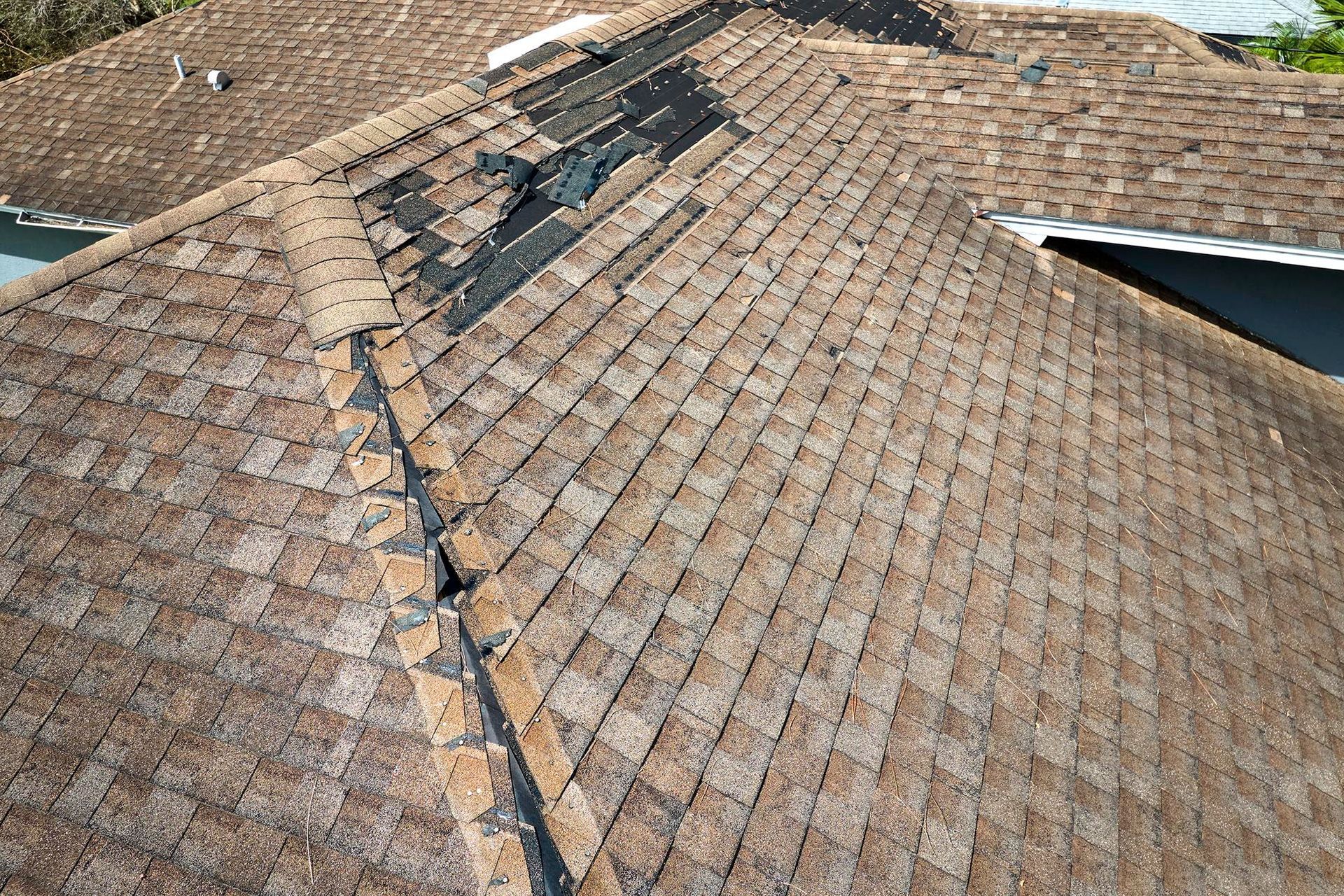
- Surface damage
- Loose roofing materials
- Blistering
- Cracks
- Torn membrane sections
- Areas of excessive wear
Even small changes in the roof surface can indicate developing problems that deserve closer attention.
Check Roof Drainage Systems
Proper drainage is essential for commercial roofing systems. Inspectors evaluate:
- Roof drains
- Gutters
- Downspouts
- Scuppers
- Drain covers
Blocked drainage systems can allow water to collect on the roof, increasing the risk of leaks and material deterioration.
A complete commercial roof inspection always includes drainage, as standing water can shorten the lifespan of many roofing systems.
Examine Roof Flashing
Flashing protects areas where the roof meets walls, vents, skylights, and other penetrations.
Inspectors look for:
- Loose flashing
- Rust
- Gaps
- Missing sealant
- Physical damage
Damaged flashing is a common source of roof leaks, making this an important part of any inspection.
Evaluate Roof Penetrations
Commercial roofs contain many openings that require proper sealing. Common penetrations include:
- HVAC equipment
- Plumbing vents
- Exhaust systems
- Electrical conduits
- Roof hatches
Inspectors evaluate that these areas remain properly sealed and show no signs of moisture intrusion.
Inspect Roofing Materials
Different commercial roofing systems require different inspection approaches. Depending on the roof type, inspectors may examine:
- Membrane condition
- Modified bitumen surfaces
- Metal panels
- Protective coatings
- Fasteners
- Seams
The goal is to identify visible wear that could affect performance over time. A detailed roofing inspection checklist should always consider the specific roofing material installed on the building.
Review Seams And Connections
Roof seams are critical because they help prevent water from entering the building. Inspectors evaluate:
- Open seams
- Loose edges
- Membrane separation
- Adhesive condition
- Weld quality, where applicable
Small seam failures can eventually allow moisture beneath the roofing system if not corrected.
Inspect Rooftop Equipment Areas
Commercial roofs often support mechanical equipment. Inspectors check around:
- HVAC units
- Solar equipment
- Satellite equipment
- Ventilation systems
These areas receive extra attention because service work can sometimes damage nearby roofing materials. Understanding the common roof problems inspectors look for can help property owners recognize potential issues early and prioritize maintenance before minor defects become more significant.
Look For Signs Of Moisture Problems
Water intrusion is one of the most common concerns with commercial roofing. Visible indicators may include:
- Water stains
- Soft roofing materials
- Mold growth
- Damp insulation
- Interior ceiling stains
Finding moisture early helps reduce the likelihood of more extensive damage later.
Evaluate Roof Edges
Roof edges are constantly exposed to wind and weather. Inspectors review:
- Edge metal
- Fascia
- Coping
- Attachment security
Loose edge components may allow wind to lift roofing materials during severe weather.
Assess Safety-Related Conditions
Safety is an important part of every commercial roof inspection. Inspectors may observe:
- Walking surfaces
- Roof access points
- Guardrails
- Ladder conditions
- Trip hazards
Identifying safety concerns helps property owners maintain safer working conditions for maintenance personnel and contractors.
Inspect After Major Weather Events
Storms can cause damage that is not always obvious from the ground. After severe weather, inspectors may look for:
- Wind damage
- Lifted roofing materials
- Impact damage
- Debris accumulation
- Damaged flashing
Prompt inspections help identify storm-related issues before water intrusion develops.
Document Findings Clearly
A professional commercial inspection delivers actionable, easy-to-read documentation. At Superior Inspections, our comprehensive reports don't just list flaws; they prioritize them so you can make informed decisions. We categorize all roofing deficiencies into three clear areas:
- Primary Concerns: Major defects or active failures requiring immediate professional attention.
- General Repair/Maintenance: Minor to moderate wear items that should be addressed to prevent future degradation.
- Safety Hazards: Conditions that pose an immediate risk to maintenance personnel, occupants, or contractors.
How Often Should Commercial Roofs Be Inspected?
Inspection frequency depends on several factors, including roof age, roofing material, and local weather conditions. Many building owners schedule inspections:
- Annually
- After severe storms
- Before major maintenance projects
- Before property transactions
- As part of preventive maintenance programs
Routine inspections help establish a history of the roof's condition and make it easier to identify changes over time.
Benefits Of Using A Roofing Inspection Checklist
A structured inspection process ensures important areas are not overlooked. A consistent inspection checklist helps:
- Improve inspection accuracy
- Create consistent reports
- Support maintenance planning
- Reduce overlooked issues
- Simplify future comparisons
Using a checklist also helps building owners better understand the condition of the entire roofing system.
Conclusion
A commercial roof protects far more than the building itself. It helps safeguard employees, equipment, inventory, and daily business operations. Regular inspections allow property owners to identify visible concerns early, support preventive maintenance, and better plan for future repairs.
At Superior Inspections, we provide detailed commercial inspections that help property owners and investors better understand the condition of their roofing systems. Our reports deliver clear observations and practical information to support confident property decisions.
Contact us today if you need a professional commercial inspection for your property.
FAQs
What Is Included In A Commercial Roof Inspection?
It typically includes evaluating the roof surface, flashing, drainage systems, roof penetrations, seams, rooftop equipment areas, and visible signs of damage or moisture intrusion.
Why Is A Roofing Inspection Checklist Important?
It helps ensure all major roof components are evaluated consistently and reduces the chance of overlooking developing problems.
How Often Should A Commercial Roof Be Inspected?
Many commercial buildings benefit from annual inspections as well as additional inspections after severe storms or major weather events.
Can A Roof Inspection Detect Small Problems Before They Become Major Repairs?
Yes. Professional inspections often identify early signs of wear, drainage issues, flashing damage, and seam separation before they lead to larger roofing problems.
Should A Commercial Roof Be Inspected After A Storm?
Yes. Strong winds, heavy rain, and debris can damage roofing materials. A prompt inspection helps identify storm-related issues before they lead to water intrusion or further deterioration.
Disclaimer: The information on this website and blog is for general informational purposes only and is not professional advice. We make no guarantees of accuracy or completeness. We disclaim all liability for errors, omissions, or reliance on this content. Always consult a qualified professional for specific guidance.
Search
Recent Posts