5 Reasons To Schedule A New Construction Framing Inspection
A newly built home can look complete from the street, but many important parts are hidden once walls and ceilings are closed. Before drywall goes up, buyers have a valuable chance to review the frame, rough systems, and construction details.
A new construction framing inspection gives buyers another layer of information before key components are covered. It does not replace the builder’s process or local code inspections. It gives the buyer an independent review of visible conditions at a critical stage.
For homeowners in Jacksonville and Northeast Florida communities, this step can be helpful because homes must perform well through heat, humidity, rain, and seasonal storms.
What Happens During the Framing Inspection?
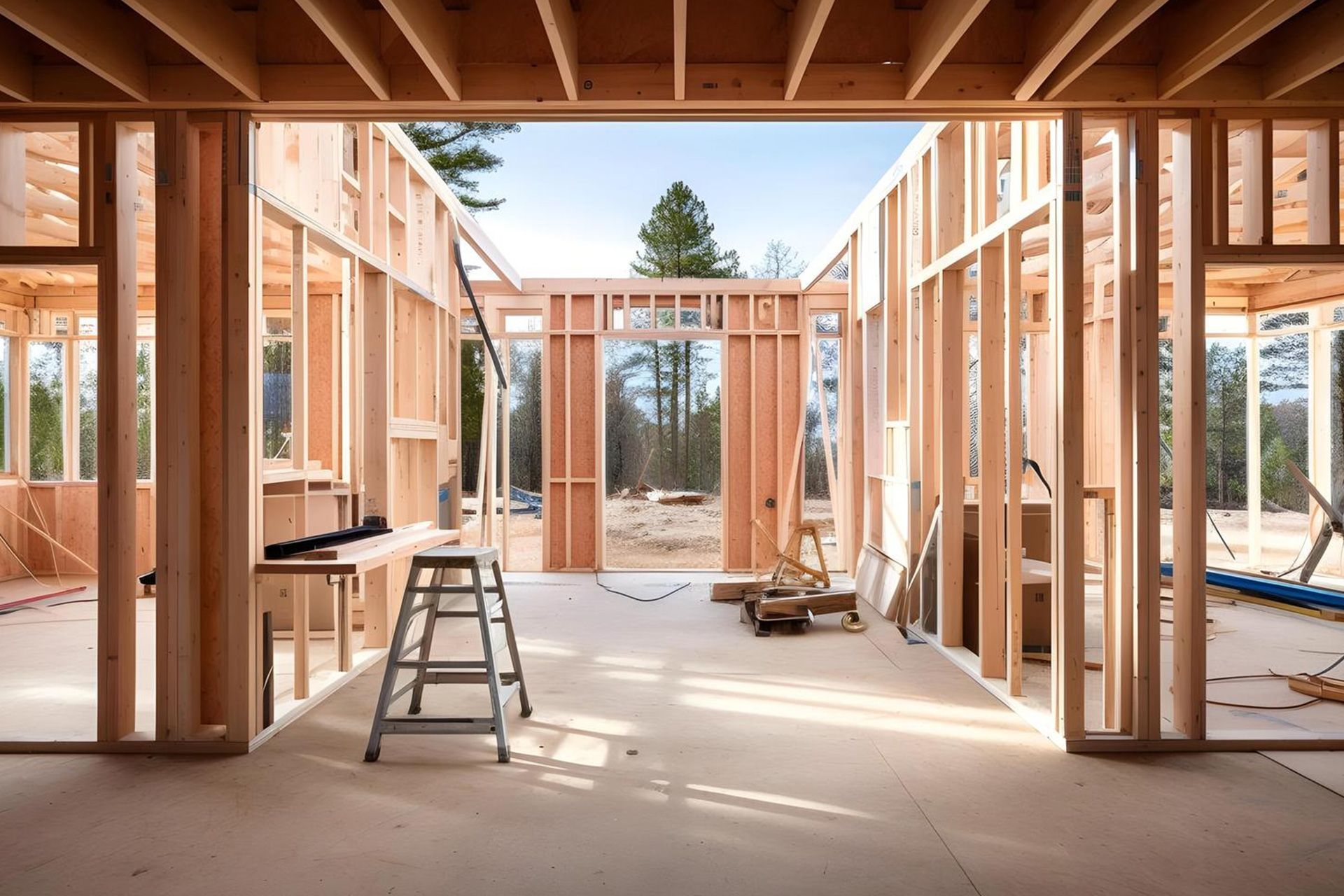
The framing inspection happens after the home’s frame is built and before drywall is installed. At this point, many systems are still visible. This may include wall framing, roof framing, floor structure, electrical rough wiring, plumbing rough lines, HVAC duct routing, fasteners, openings, and other accessible construction details.
A Pre-Drywall Inspection is commonly scheduled during this window. The inspector reviews visible conditions and documents items that may need repair, completion, or further review. Once drywall is installed, many of these items become much harder to see.
This stage is one of the best times to ask questions because the home is far enough along to show how key systems were installed, but not so far along that everything is hidden behind finished surfaces.
Reason 1: Framing Issues Are Easier To See Before Walls Close
Framing is the skeleton of the home. It supports walls, floors, roof areas, doors, windows, and other finished features. If framing concerns are present, they should be understood before the home moves to the next phase.
During this review, the inspector may observe visible concerns such as damaged framing members, missing fasteners, improper notching, uneven openings, or areas that need further builder review. These observations do not mean the home is unsafe, but they do give the buyer useful information.
Once drywall is installed, many framing details are covered. That can make concerns harder to identify later without removing finished materials.
Reason 2: Rough Electrical, Plumbing, And HVAC Are Still Visible
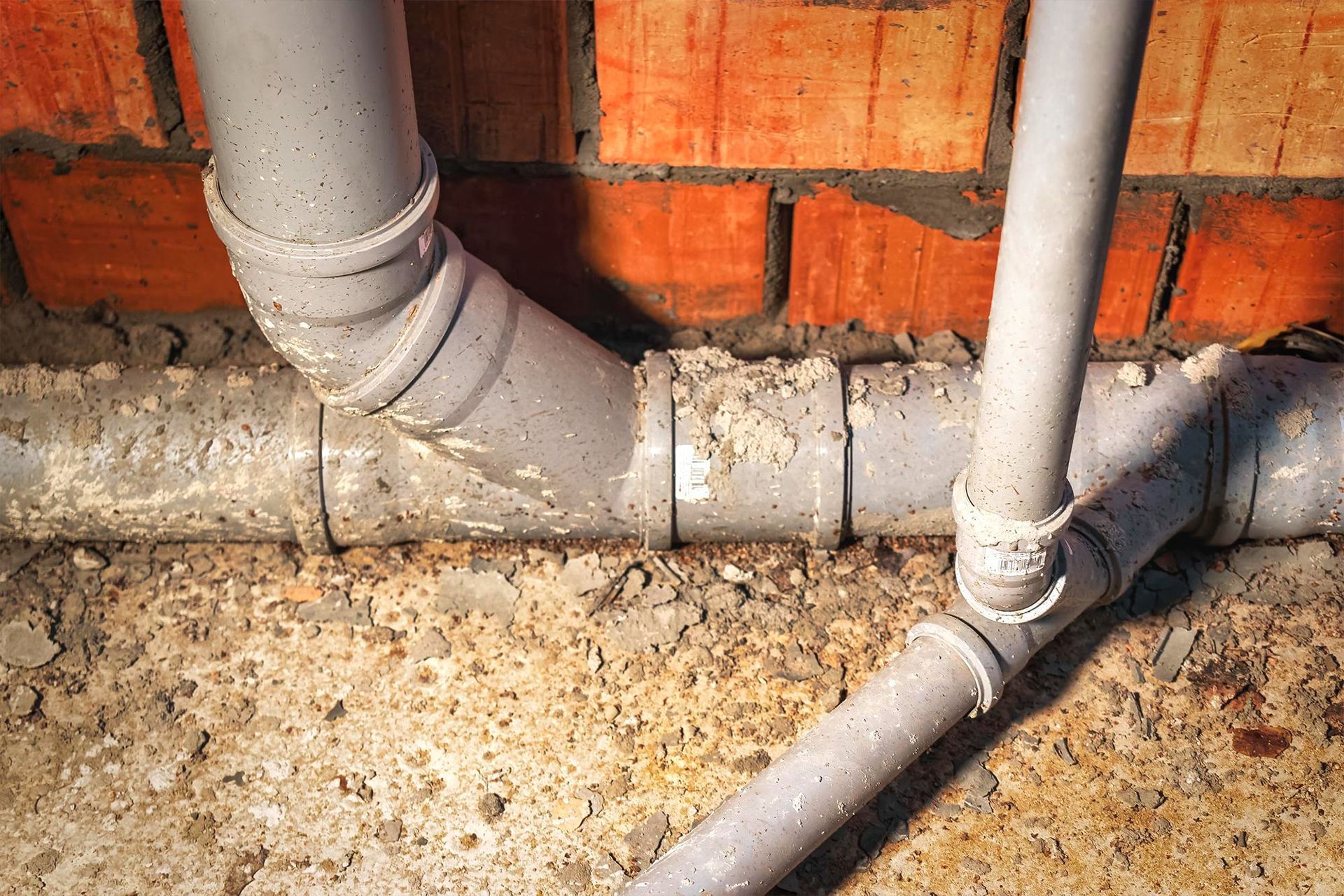
Major systems are easier to review before finishes are installed. Electrical wiring, plumbing routes, drain lines, water supply lines, and HVAC ducts are often visible during this stage. This gives the inspector a chance to review placement, visible condition, and installation details.
For example, an inspector may note unsupported plumbing lines, damaged ducts, missing protective plates, visible wiring concerns, or areas where a system appears incomplete. The inspector may also recommend further review by the builder or a qualified contractor when needed.
These rough systems affect how the finished home will function. Reviewing them early helps buyers better understand whether visible work appears ready for the next stage.
Reason 3: Moisture And Weather Protection Details Matter
Florida homes face strong sun, heavy rain, wind, and high humidity. Because of that, moisture control is an important part of new construction. Before walls are closed, some weather protection details may still be visible around openings, exterior sheathing, roof areas, and wall systems.
Inspectors may look for visible staining, water intrusion signs, gaps around penetrations, concerns near windows and doors, or materials that appear exposed to moisture. These items should be reviewed before insulation, and drywall covers important areas.
Finding visible warning signs early allows the buyer to ask the builder about repairs, drying, sealing, or further evaluation before the home moves closer to completion.
Reason 4: It Helps Buyers Catch Incomplete Or Missed Items
New homes are built by many trades. Framers, electricians, plumbers, HVAC crews, roofers, and other workers may all be involved at different times. With so many steps, some items can be missed or left incomplete.
An inspection at this stage can help document visible conditions such as missing fire blocking, incomplete straps, damaged materials, loose components, open penetrations, or areas that need correction. The goal is not to create conflict with the builder. The goal is to give buyers a clearer record of items before finishes hide them.
Many buyers assume new homes do not need extra review, but new does not always mean complete.
Reason 5: It Gives You Better Questions Before The Final Walkthrough
The final walkthrough is important, but it happens late in the building process. By then, walls are painted, flooring is installed, cabinets are in place, and many systems are hidden. At that point, buyers mostly see finished surfaces.
A framing stage review gives buyers better questions for the builder before the final walkthrough. If certain items were documented earlier, buyers can ask whether they were repaired, completed, or reviewed by the proper trade.
Instead of waiting until the end to raise concerns, buyers can address visible items while the home is still under active construction.
How To Prepare For The Inspection
Before scheduling, ask your builder when the home will be ready and prepare your home for the professional inspection. The best time is after framing and rough systems are installed, but before insulation and drywall are placed.
Make sure the builder allows access and confirms that the site is safe to enter. Construction sites can have hazards, so buyers should follow the builder’s access rules.
You may also want to ask about roof framing, attic access, plumbing routes, HVAC ductwork, window and door openings, or any changes made during construction. A clear report can help guide those conversations.
Understand The Limits
This inspection is helpful, but it has limits. It does not replace municipal code inspections, approve construction, provide engineering design, or guarantee future performance. It is a visual review of accessible areas at a specific point in time.
Some items may still be incomplete because the home is under construction. The report documents what was visible during the inspection and may recommend repair, completion, or further evaluation when needed.
Conclusion
Building a new home is exciting, but it also moves quickly. Once drywall is installed, many important components are no longer visible. A new construction framing inspection can help buyers understand visible framing, rough systems, moisture concerns, and incomplete items before the next stage begins.
A Pre-Drywall Inspection gives you useful information at a time when questions can still be raised, and many items are easier to review. It supports smarter conversations with the builder and helps you move toward closing with more clarity.
At Superior Inspections, we help buyers in Jacksonville and surrounding Northeast Florida communities review new construction homes at key building stages. Our team provides clear reports, photos, and practical explanations so you can better understand what was observed.
Schedule your inspection with Superior Inspections today by calling 833-633-5467 or booking online.
FAQs
When Should I Schedule A Framing Stage Inspection?
Schedule it after framing and rough electrical, plumbing, and HVAC work are installed, but before insulation and drywall are added. Your builder can help confirm the right timing.
Is This Inspection The Same As A Code Inspection?
No. A code inspection is performed for local building compliance. This inspection is a buyer-focused visual review that helps document visible concerns and questions.
Should I Get This Inspection If The Builder Has A Good Reputation?
Yes. Even reputable builders can make mistakes. An independent review gives buyers more information.
Can The Inspector Tell The Builder What To Fix?
The inspector documents visible findings and may recommend repair, completion, or further evaluation. The builder and buyer decide how to handle the report.
What Happens After The Inspection Report Is Ready?
Review the report carefully and share questions with your builder or real estate professional. Ask whether documented items will be repaired, completed, or reviewed before drywall is installed.
Disclaimer: The information on this website and blog is for general informational purposes only and is not professional advice. We make no guarantees of accuracy or completeness. We disclaim all liability for errors, omissions, or reliance on this content. Always consult a qualified professional for specific guidance.
Search
Recent Posts