Are Moisture and Mold Dangerous to Your Health and Home?
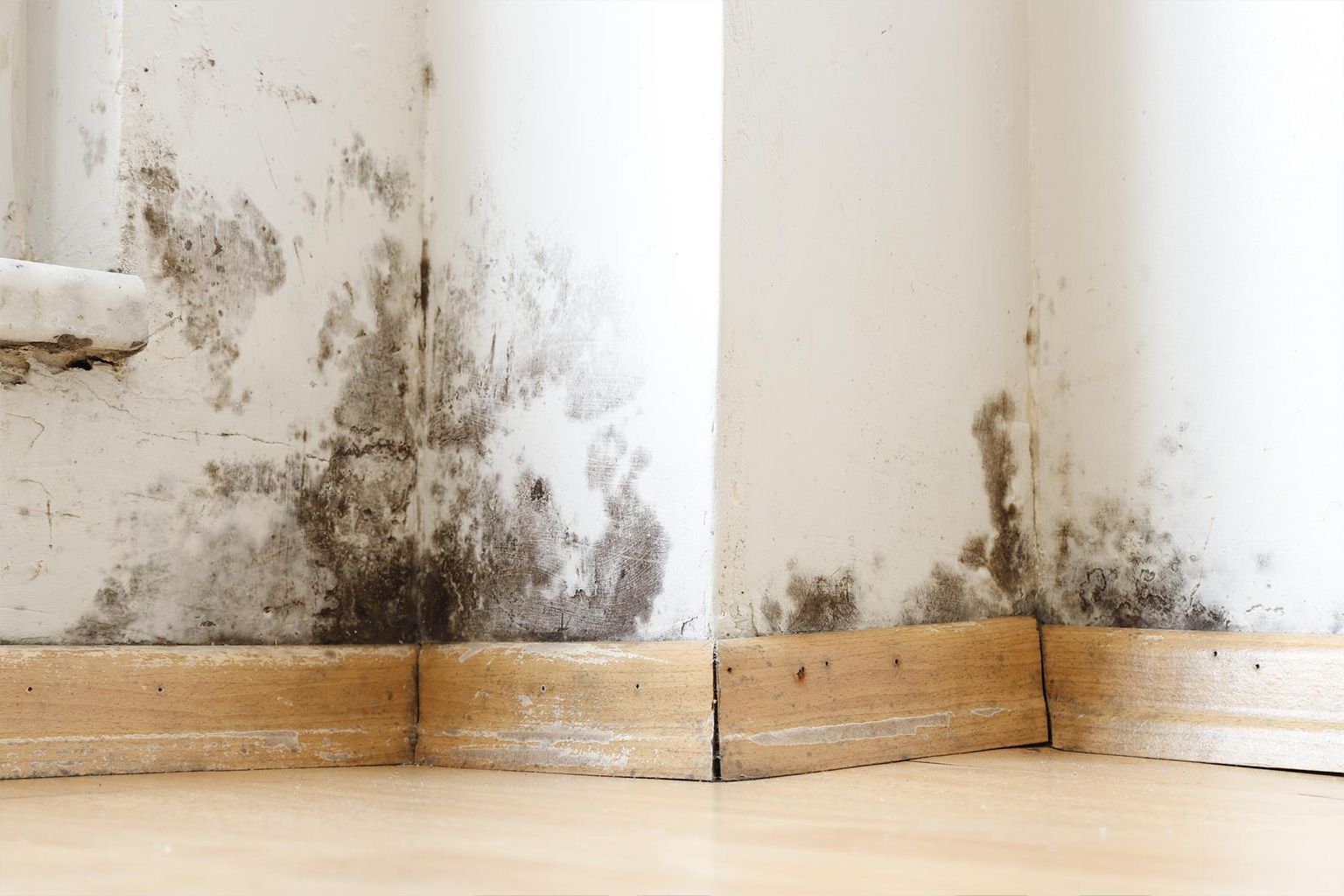
Moisture and mold often go hand in hand. A small leak, persistent humidity, condensation, or previous water damage can create conditions where mold begins to grow. What starts as a minor moisture issue can eventually affect indoor air quality, building materials, and the comfort of people living in the home.
So, are moisture and mold dangerous to your health and property? It can be, particularly when mold growth is extensive or continues because the underlying moisture problem has not been corrected. However, the potential risk depends on the type and amount of mold, the extent of moisture damage, and individual sensitivity.
Understanding the connection between moisture and mold can help homeowners know when a problem needs attention and when professional mold testing or further evaluation may be appropriate.
Why Does Moisture Cause Mold Growth?
Mold spores are naturally present in the environment. They can enter homes through doors, windows, ventilation systems, and other pathways. Their presence alone does not necessarily indicate a problem.
The concern begins when spores land on damp materials and find conditions suitable for growth. According to the U.S. Environmental Protection Agency, controlling moisture is the key to controlling indoor mold. Indoor mold growth requires moisture, which is why controlling leaks, condensation, and humidity is central to mold prevention
Common sources of indoor moisture include:
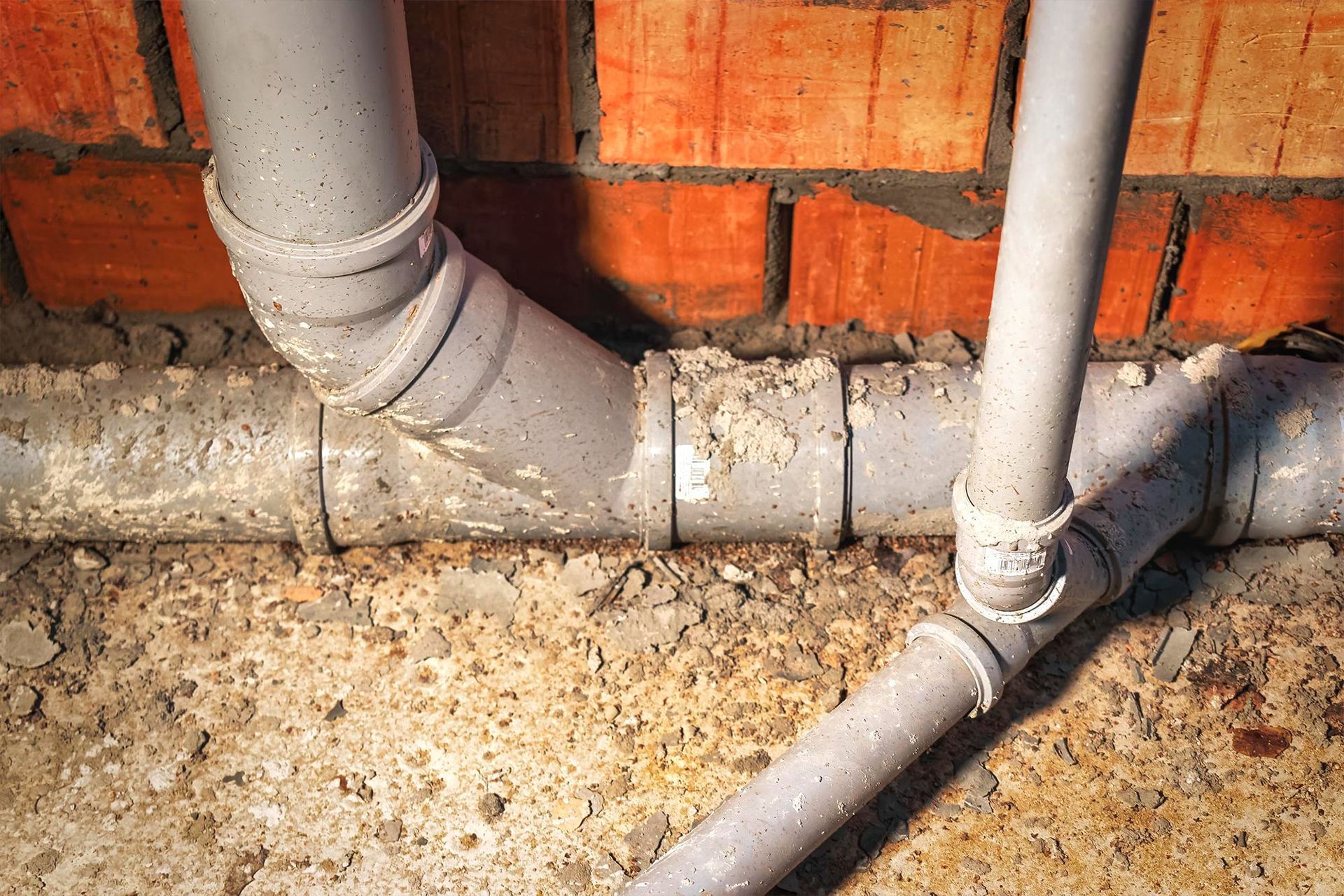
- Plumbing leaks
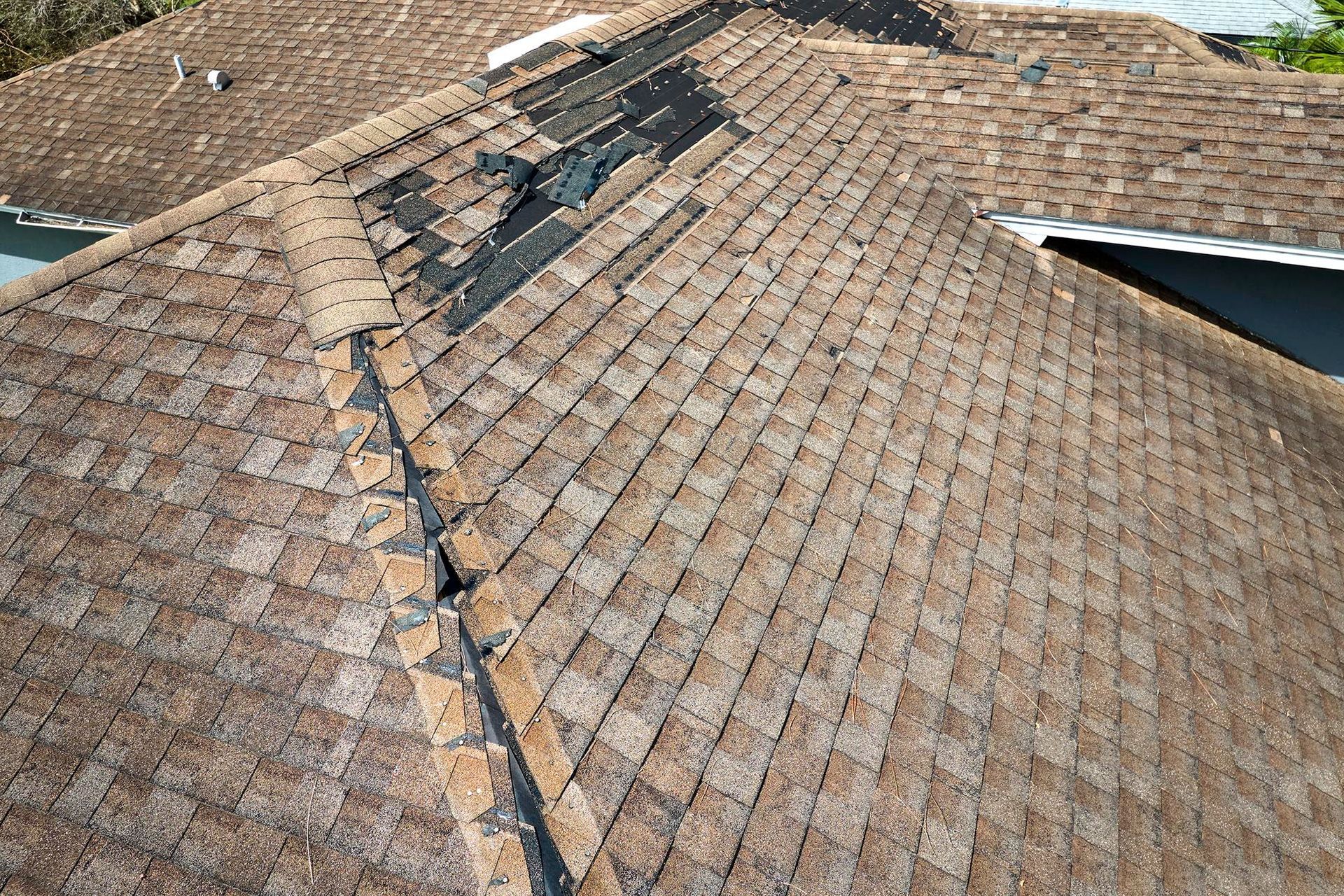
- Roof leaks
- Flooding
- Condensation
- High indoor humidity
- Poor bathroom ventilation
- Air-conditioning problems
- Water intrusion around windows
- Drainage issues
A leak does not always produce an obvious puddle. Water can enter wall cavities, beneath flooring, behind cabinets, or into ceilings. These hidden areas can remain damp long enough for mold to develop.
Are Moisture and Mold Dangerous to Your Health?
The answer is not the same for everyone.
The EPA explains that mold can produce allergens and irritants and, in some cases, substances known as mycotoxins. Exposure can cause allergic reactions in sensitive individuals. Mold can also irritate the eyes, skin, nose, throat, and lungs. People with mold allergies or asthma may be particularly affected.
Possible reactions can include:
- Sneezing
- Runny or stuffy nose
- Red or irritated eyes
- Skin irritation
- Coughing
- Wheezing
- Throat irritation
Damp indoor environments have also been associated with respiratory symptoms and worsening asthma in research reviewed by public health authorities.
This does not mean that every person exposed to mold will become sick. Health responses vary significantly. If you believe your symptoms may be related to mold exposure, speak with a qualified healthcare professional rather than attempting to diagnose the cause yourself.
Are Moisture and Mold Harmful to Your Home?
Mold is not only a potential indoor air quality concern. Persistent moisture can also damage the building itself.
When water remains inside walls, ceilings, flooring, insulation, or other materials, it can contribute to deterioration. Extended dampness can damage finishes and create conditions that support microbial growth.
For example, a slow plumbing leak behind a cabinet may go unnoticed for months. By the time staining or a musty odor becomes obvious, surrounding materials may already have been affected. Before an inspection, homeowners should avoid covering stains or concealing moisture concerns. Instead, follow these steps to prepare your home for a professional inspection and make plumbing fixtures, cabinets, and other accessible areas available for evaluation.
The EPA recommends fixing the source of moisture and cleaning up mold promptly. Water-damaged areas and materials should be dried within 24 to 48 hours when possible to reduce the likelihood of mold growth.
Where Does Mold Commonly Develop?
Some areas of a home are more vulnerable because they regularly encounter water or elevated humidity.
Bathrooms are common locations because showers produce moisture. Kitchens can also develop damp conditions around sinks, dishwashers, refrigerators, and plumbing connections.
Attics can experience problems when roof leaks or inadequate ventilation allow moisture to accumulate. Crawl spaces and basements can also be affected by groundwater, plumbing leaks, condensation, or poor drainage.
Air-conditioning systems and duct areas may require attention when condensation or drainage problems occur.
The important point is that visible mold may not be located at the original source of moisture.
Can You Tell What Type of Mold You Have by Looking at It?
No. Mold comes in many colors and appearances. Visual characteristics alone cannot reliably identify the species or determine whether a particular growth presents a specific health risk.
This is one reason homeowners should avoid making decisions based solely on whether it is “black mold,” “green mold,” or another color mold.
A professional assessment can help determine whether sampling is appropriate and whether there is an underlying moisture problem that needs to be addressed.
When Is Mold Testing Useful?
Testing is not automatically necessary every time mold is suspected.
The EPA states that if visible mold growth is already present, sampling is often unnecessary because there are no federal standards establishing safe or unsafe indoor mold concentrations.
However, sampling can be useful in certain situations. For example, a professional may recommend it when the source of concern is not visible, when there is uncertainty about indoor conditions, or when documentation is needed after remediation.
Professional Mold Testing in Jacksonville can be particularly useful when homeowners want objective information about suspected mold or indoor air quality concerns.
The important thing is that testing should be part of an appropriate assessment rather than a standalone exercise. EPA recommends that mold sampling be conducted by professionals experienced in designing sampling protocols, collecting samples, and interpreting results.
What Does Professional Mold Sampling Involve?
A professional assessment typically begins with a visual examination. An inspector may look for:
- Signs of current or previous water intrusion
- Visible mold
- Moisture damage
- Staining
- Condensation
- Poor ventilation
- Areas with unusual odors
If sampling is warranted, the professional may collect air or surface samples depending on the circumstances.
For example, surface sampling can sometimes help identify the type of mold present on an affected area. Air sampling can provide information about airborne fungal particles at the time and location of sampling.
Laboratory analysis can then provide additional information.
However, test results should be interpreted in context. There is no universal federal threshold that determines whether a particular indoor mold concentration is “safe.”
Why Professional Assessment Can Be Better Than DIY Testing
Home mold test kits may appear convenient, but interpreting results can be difficult without understanding the property's moisture history, building conditions, sampling limitations, and environmental context.
A professional can look beyond the sample itself.
For example, finding mold spores in an air sample does not automatically identify the source. A professional may need to investigate moisture, ventilation, building materials, and areas where hidden growth could occur.
Professional mold testing in Jacksonville can therefore be most useful when it is combined with a careful visual and moisture assessment.
How Can You Prevent Mold From Returning?
Prevention begins with moisture management.
Repair plumbing and roof leaks quickly. Keep bathrooms properly ventilated and address excessive indoor humidity. Make sure air-conditioning systems drain correctly and investigate recurring condensation.
After water damage, dry affected materials as quickly as possible. The EPA recommends drying wet areas and materials within 24 to 48 hours to help prevent mold growth.
Regularly inspect areas that are vulnerable to moisture, including bathrooms, kitchens, crawl spaces, attics, and around windows.
Conclusion
Persistent moisture and indoor mold growth should not be ignored. Mold can contribute to allergic and respiratory reactions in sensitive individuals, while prolonged moisture can damage building materials and create conditions that allow mold to continue growing.
At Superior Inspections, we provide professional mold assessment and sampling services for homeowners throughout Jacksonville and Northeast Florida. Our process combines visual assessment with appropriate testing methods when warranted, including surface swab and air sampling, with samples analyzed by a laboratory.
We understand that homeowners want clear answers when they notice musty odors, water damage, visible growth, or unexplained moisture. Our role is to help identify potential concerns and provide information that can guide the next step.
Contact Superior Inspections today to schedule professional mold testing at your Jacksonville property.
FAQs
Can mold grow even when I cannot see any water?
Yes. Moisture can exist inside walls, ceilings, crawl spaces, or other concealed areas without producing obvious standing water. Persistent odors or unexplained staining may justify further investigation.
Does a musty smell always mean there is mold?
Not necessarily. A musty odor can be associated with damp materials or microbial growth, but the smell alone cannot confirm the presence or source of mold. A professional assessment may help determine what is causing it.
Is black-colored mold automatically more dangerous than other mold?
No. Mold color alone cannot determine its species or health effects. Different types of mold can appear in similar colors, so visual identification is not a reliable way to assess risk.
Should I test for mold after a water leak?
It depends on the circumstances. If materials were dried quickly and there is no visible growth or ongoing moisture, testing may not be necessary. Persistent dampness, odors, or suspected hidden growth may justify professional evaluation.
Can mold return after it has been cleaned?
Yes. If the underlying moisture source remains, mold can return. Fixing leaks, controlling humidity, improving ventilation, and properly addressing affected materials are important parts of preventing recurring growth.
Disclaimer: The information on this website and blog is for general informational purposes only and is not professional advice. We make no guarantees of accuracy or completeness. We disclaim all liability for errors, omissions, or reliance on this content. Always consult a qualified professional for specific guidance.
Search
Recent Posts