What Is Radon Gas And Where Does It Come From
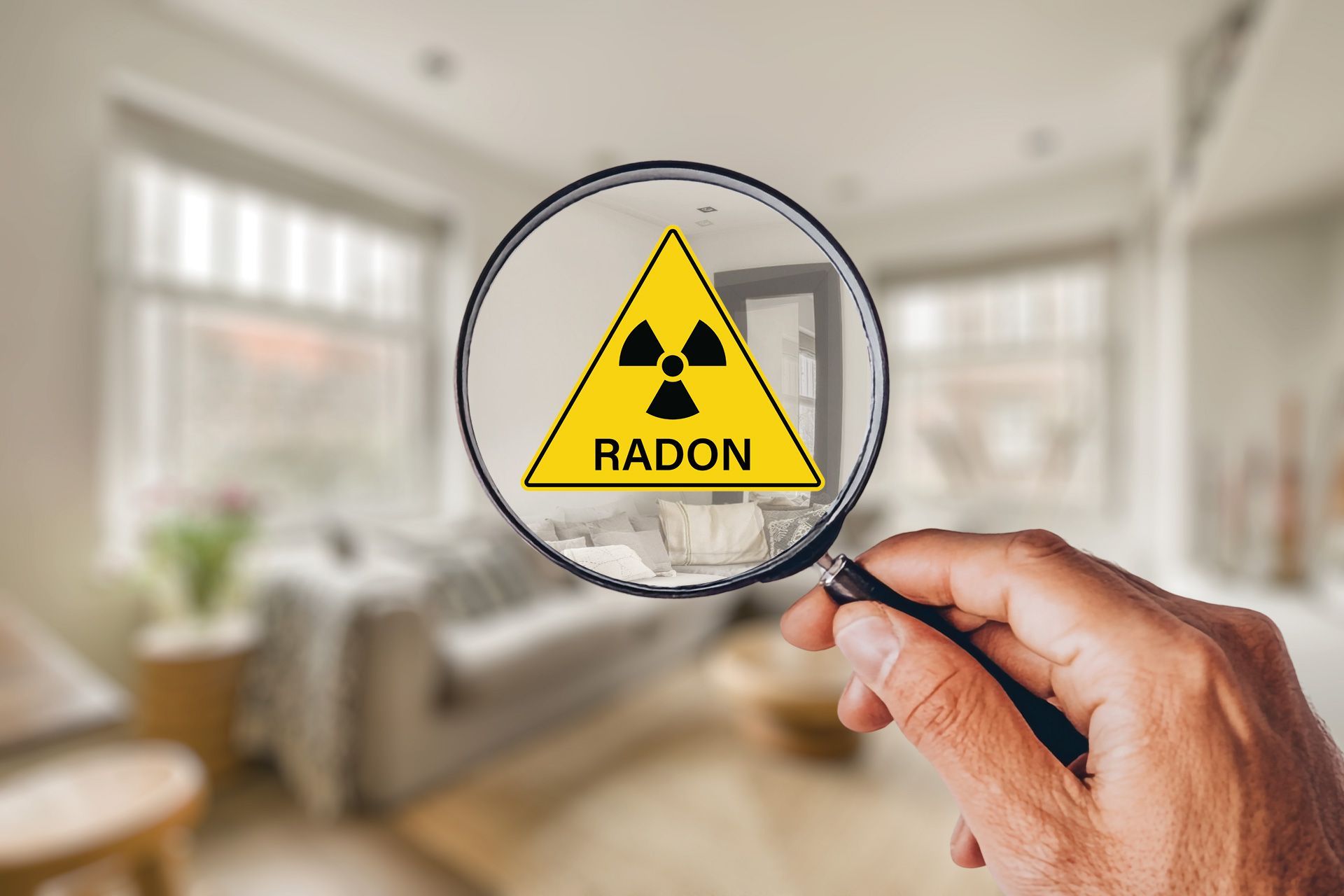
Radon is a natural radioactive gas that cannot be seen, smelled, or tasted. It forms underground when radioactive elements in soil, rock, and some building materials break down over time. Outdoors, radon usually spreads into the air and becomes less of a concern.
The greater concern is indoor radon. When radon enters a home, office, basement, or other enclosed space, it may collect in the air people breathe. Long-term exposure to elevated indoor radon levels can increase health risks. Radon testing can help determine whether elevated levels are present when a homeowner, buyer, or property manager has a specific concern.
Understanding where radon comes from and how people are exposed helps property owners take the right steps to reduce risk.
Why Radon Exposure Matters
Radon is a health concern because people can breathe it into their lungs. As radon breaks down, it releases small radioactive particles. These particles may attach to dust and other tiny particles in the air. When inhaled over time, they can affect lung tissue.
The main health concern linked to long-term radon exposure is lung cancer. The risk is higher when a person is exposed to elevated levels for many years. Smokers face an even greater risk because tobacco smoke and radon both harm the lungs.
Radon is not something people can identify by smell or appearance. A clean, well-maintained home can still have elevated levels. The only reliable way to know the level inside a building is to test.
How Radon Forms Naturally
Radon starts with natural radioactive elements found in the earth. Uranium, thorium, and radium may be present in soil, rock, water, and some construction materials. As these elements decay, they can release radon gas.
The amount of radon produced can vary by location. Some soils and rocks contain more uranium and radium than others. This is why radon levels can be different from one region to another and even from one house to the next.
A home’s construction also matters. Foundation type, cracks, ventilation, pressure differences, and openings around pipes or drains can all affect how easily radon enters and collects indoors.
How People Are Exposed To Radon
Most radon exposure happens indoors. Radon can rise from the ground, move through soil, and enter a building through openings near the foundation. Once inside, it may remain in enclosed air instead of spreading out as it does outdoors.
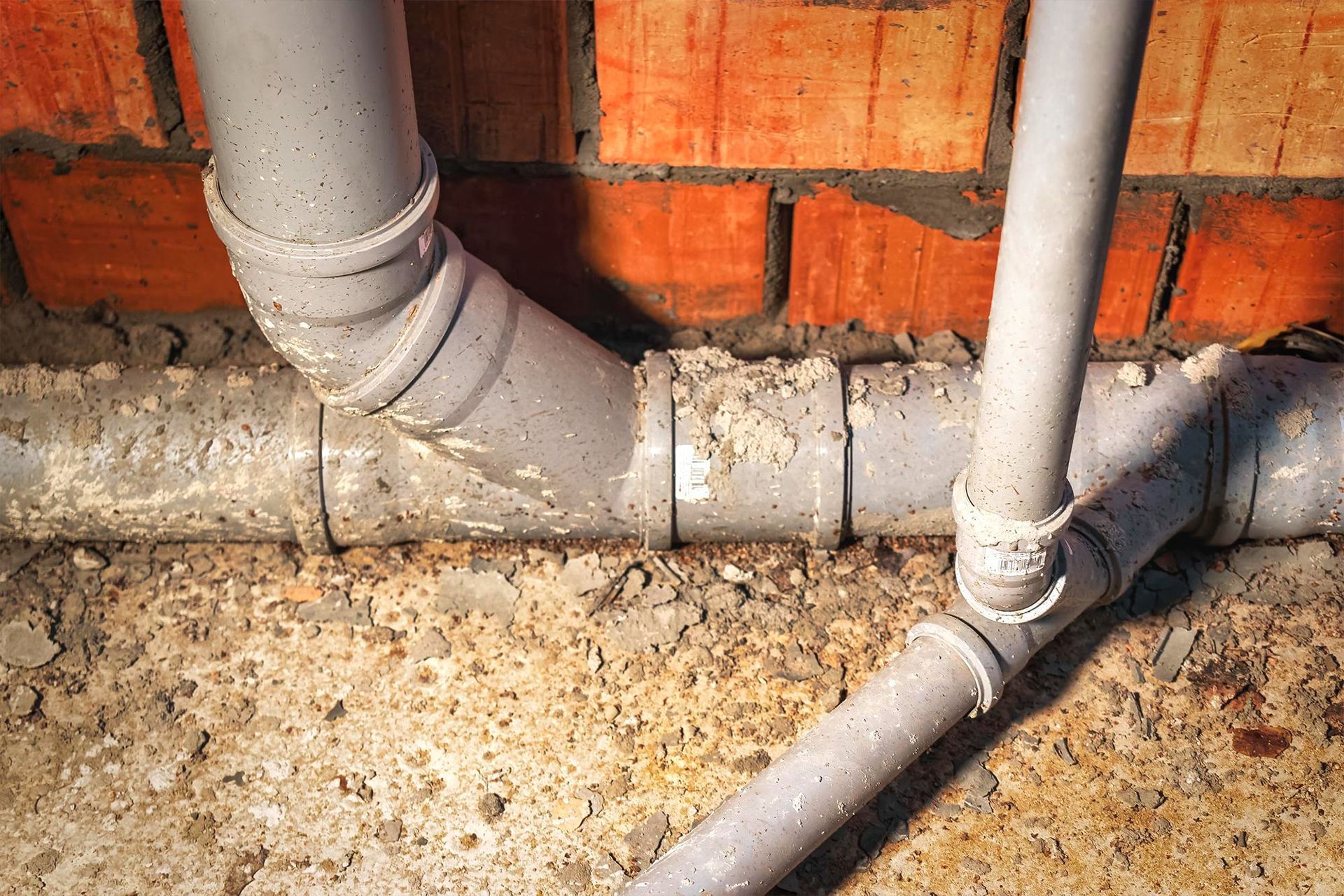
Common entry points may include cracks in concrete floors, gaps around pipes, drains, construction joints, crawl spaces, and small openings in foundation walls. In some cases, radon may also enter through groundwater or building materials, but soil beneath the structure is often the main source.
Because radon levels depend on building conditions and local geology, testing one property is more useful than relying on general area maps alone.
Health Risks Associated With Radon Exposure
Radon is a major source of radiation exposure for people and is a serious indoor air health concern. Long-term exposure to elevated radon levels can increase the risk of lung cancer, especially when radon builds up inside homes or buildings over time.
Radon is considered the second leading cause of lung cancer after smoking and the leading cause of lung cancer among people who do not smoke. The WHO estimates that radon may be linked to about 3% to 14% of all lung cancer cases, depending on indoor radon levels and smoking rates in a population.
The risk is much higher for smokers because smoking and radon exposure both damage the lungs. Smokers exposed to radon have a far greater chance of developing lung cancer than non-smokers. Radon has also been classified by the International Agency for Research on Cancer as a proven human carcinogen, along with substances such as tobacco smoke, asbestos, and benzene.
How Radon Gets Into Indoor Air
Indoor air is the most common concern when discussing radon exposure. Radon can build up inside houses, offices, schools, basements, and other enclosed buildings. Levels depend on soil conditions, building design, ventilation, weather, and how the space is used.
For example, a tightly sealed home may hold indoor air longer, allowing radon to collect. Lower levels of a home, such as basements or ground-floor rooms, may also show higher readings because they are closer to the soil.
Ventilation can affect radon levels, but opening windows is not a permanent solution. Testing provides a clearer picture of indoor levels during the testing period.
How Radon Can Enter Household Water
Radon can also be found in groundwater, especially in areas with uranium-rich rock. If a home uses well water, radon in water may be released into indoor air during daily activities such as showering, washing clothes, or running faucets.
For most properties, radon from soil is a larger concern than radon from water. However, water can still contribute to indoor exposure in some homes. This is one reason why property-specific testing is helpful when there are concerns about indoor air quality or private water sources.
Public water supplies are often treated before reaching homes, but private wells may need separate review depending on location and conditions.
How Construction Materials May Contribute to Radon
Most building materials release very small amounts of radon and are not usually a major source of exposure. However, some materials can contribute more if they contain higher levels of radium and allow radon gas to escape.
Examples may include certain types of concrete, stone, gypsum-based products, or materials connected to uranium-rich sources. In some cases, fill material used beneath buildings may also influence indoor levels.
Even when building materials play a role, the ground beneath the structure is still commonly the main source of indoor radon.
Radon Mitigation Options
High indoor radon levels can often be reduced with proper corrective action. The best approach depends on how radon is entering the building, the foundation type, and the level found during testing.
Common approaches include sealing major openings, improving ventilation, or installing a radon mitigation system that safely redirects soil gas outdoors. In many cases, a qualified mitigation professional should evaluate the property and recommend the right solution.
For new construction, some areas include radon-resistant building methods in construction standards. It is often easier to plan for radon control during construction than to correct a problem later.
Radon In Workplaces
Radon is not only a home concern. It can also affect workplaces, especially enclosed or underground spaces. Mines, tunnels, basements, water treatment facilities, spas using natural water, offices, schools, and other indoor workplaces may have radon concerns depending on geology, ventilation, and building design.
Employers may need to follow national or local rules when radon levels exceed workplace limits. Testing and corrective action help protect workers in environments where long-term exposure may occur.
Conclusion
Radon is a natural radioactive gas that forms underground and can enter buildings through soil, water, small openings, and sometimes building materials. Outdoors, it usually spreads into the air. Indoors, it can collect in enclosed spaces and become a health concern when levels are elevated over time.
At Superior Inspections, our team helps homeowners, buyers, and real estate professionals better understand indoor air concerns through clear radon testing services. We provide practical information, proper test placement, and easy-to-understand reporting so you can make informed decisions about your home.
Schedule your radon test today by calling 833-633-5467 or booking online.
FAQs
Is Radon More Common In Older Homes?
Not always. Older homes may have more cracks or openings, but newer homes can also have elevated levels. Soil conditions and air movement matter more than age alone.
Can Radon Enter Through Concrete?
Yes. Concrete can have cracks, joints, and small openings that allow soil gas to move indoors. Radon may also enter around pipes, drains, and utility penetrations.
Does Opening Windows Remove Radon Permanently?
No. Opening windows may lower indoor levels for a short time, but it does not solve the source of entry.
Can A Home Buyer Request Radon Testing?
Yes. Buyers can request a radon test during the inspection period. The result can help them understand indoor air conditions before closing.
What Should I Do If My Radon Test Is Elevated?
Ask a qualified mitigation professional about options for reduction. Common solutions may involve sealing entry points and installing a system that vents soil gas outdoors.
Disclaimer: The information on this website and blog is for general informational purposes only and is not professional advice. We make no guarantees of accuracy or completeness. We disclaim all liability for errors, omissions, or reliance on this content. Always consult a qualified professional for specific guidance.
Search
Recent Posts