When To Schedule Home Inspection For New Construction
Many homebuyers assume a newly built home will be free of problems. After all, everything is brand new. However, even new homes can have construction defects, missing components, or installation mistakes that may not be visible during a casual walkthrough.
That is why a new construction inspection is an important step during the building process. Independent inspections provide an extra layer of protection and help identify issues early, when they are often easier and less costly to correct.
Large construction projects involve many moving parts, and occasional oversights can occur during the building process. A third-party inspector provides buyers with a more detailed and objective review of the home at various stages of construction.
Understanding when to schedule each inspection can help protect your investment and provide peace of mind before moving into your new home.
Why New Construction Inspections Matter
A newly built home may look perfect on the surface, but important components are often hidden behind walls, under concrete, or inside major systems.
A new build inspection helps identify:
- Structural concerns
- Framing issues
- Improper installations
- Drainage problems
- Electrical concerns
- Plumbing defects
- HVAC issues
- Moisture intrusion risks
Finding these issues early gives builders the opportunity to correct them before construction moves to the next stage.
A third-party inspection also helps document the condition of the home throughout the building process.
Do You Need A Home Inspection For A New Build?
Yes. Even new homes benefit from professional inspections.
Municipal building inspections focus on minimum code compliance. While these inspections are important, they are often brief and limited in scope.
A third-party new construction inspection provides:
- More detailed observations
- Additional quality review
- Extra documentation
- Independent reporting
- Better buyer protection
This added layer of review can help reduce surprises after closing.
The Three Main Stages Of A New Construction Inspection
A new construction inspection process typically includes three separate phases:
- Pre-Slab Inspection
- Pre-Drywall Inspection
- Final Inspection
Each phase serves a different purpose and should be scheduled at the correct time during construction to ensure issues are identified early, when they are easier and less costly to correct.
Pre-Slab Inspection
The pre-slab inspection happens before concrete is poured for the foundation.
This stage is extremely important because many components become inaccessible once the slab is completed.
When To Schedule a Pre-Slab Inspection
Schedule the inspection:
- After plumbing and reinforcement are installed
- Before concrete is poured
Timing is critical because once the slab is poured, correcting hidden issues becomes much more difficult.
What Inspectors Look For During a Pre-Slab Inspection
Inspectors may review:
- Soil preparation
- Foundation layout
- Vapor barriers
- Reinforcement placement
- Plumbing line installation
- Drain placement
- Moisture concerns
Problems found during this stage are often easier and less costly to fix before the concrete is installed.
Why the Pre-Slab Inspection Matters
Foundation problems can affect the entire structure of the home. Catching issues early helps reduce the risk of:
- Foundation movement
- Plumbing problems
- Drainage concerns
- Structural stress
This stage provides one of the best opportunities to identify hidden construction issues before they become permanent.
Pre-Drywall Inspection
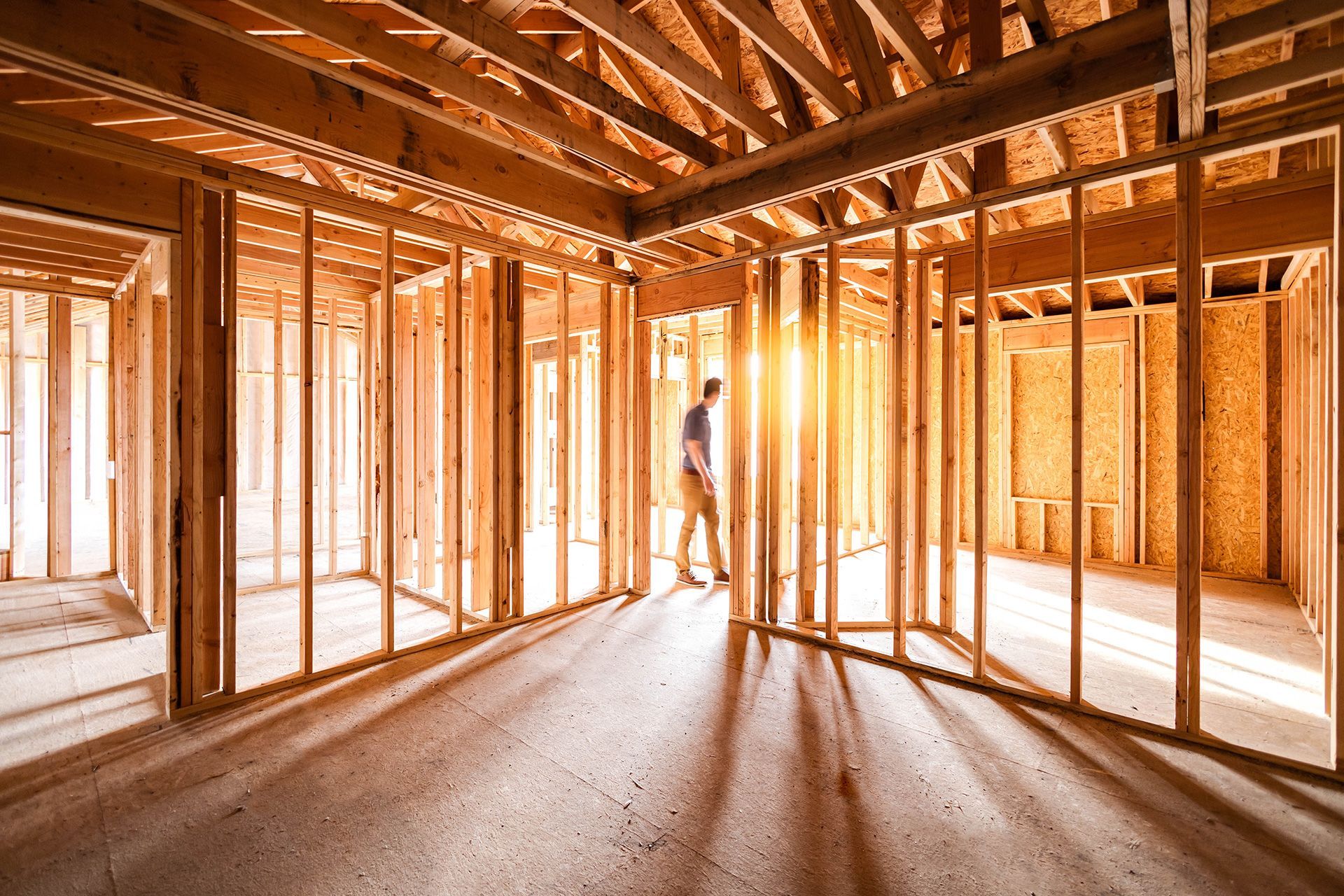
The pre-drywall inspection takes place after framing, plumbing, electrical, and HVAC rough-ins are completed but before insulation and drywall are installed.
This is one of the most valuable parts of the new build inspection process because the internal systems are still visible.
When To Schedule a Pre-Drywall Inspection
Schedule this inspection:
- After rough mechanical installations are complete
- Before insulation and drywall are installed
Once the walls are closed, many components can no longer be fully inspected.
What Inspectors Review During a Pre-Drywall Inspection
Inspectors may evaluate:
- Wall framing
- Roof framing
- Electrical wiring
- Plumbing rough-ins
- HVAC ductwork
- Window installation
- Fire blocking
- Fastener placement
Inspectors also look for signs of improper installation or workmanship concerns.
Common Issues Found During Pre-Drywall Inspections
Some common findings may include:
- Damaged framing
- Missing connectors
- Improper wiring placement
- Plumbing leaks
- HVAC duct problems
- Missing safety features
Identifying these issues before drywall installation helps simplify repairs for the builder.
Final Inspection
The final inspection occurs when construction is mostly complete, and the home is nearing closing.
At this stage, the home should be fully accessible and operational.
When To Schedule A Final Inspection
Schedule the final inspection:
- Before closing
- After major construction is complete
- When utilities are active
This allows the inspector to test systems and review the home's finished condition.
What Inspectors Check During The Final Inspection
The inspector reviews many visible and accessible components, including:
- Roofing
- Doors and windows
- Appliances
- Electrical systems
- Plumbing fixtures
- HVAC operation
- Exterior grading
- Attic areas
- Interior finishes
The goal is to identify visible defects, incomplete work, or safety concerns before the buyer takes ownership.
Why The Final Inspection Is Important
Even near completion, homes may still contain unfinished items or installation defects.
The final inspection provides buyers with:
- A better understanding of the home’s condition
- Documentation of concerns
- An opportunity to request corrections before closing
This final review helps reduce surprises after moving in.
Why Third-Party Inspections Add Value
Builders manage many contractors and construction schedules at once. While most builders work hard to deliver quality homes, oversights can still occur.
A third-party new build inspection offers:
- Independent reporting
- Additional quality review
- More detailed documentation
- Extra peace of mind
The inspection process is not about criticizing the builder. It is about helping identify concerns early while corrections are still manageable.
What Happens After Each Inspection?
After the inspection, the buyer receives a detailed report outlining visible findings and observations.
The buyer can then:
- Share findings with the builder
- Request corrections
- Monitor completed repairs
- Keep records for future reference
Most builders appreciate the opportunity to address concerns before closing.
Jacksonville Inspection Tips For New Construction Homes
If you are building a home in Jacksonville, planning ahead can make the inspection process smoother.
- Schedule Inspections Early: Coordinate inspections before construction deadlines tighten.
- Stay in Communication With Your Builder: Good communication helps ensure inspections occur at the correct stages.
- Attend the Inspection If Possible: Walking through the property with the inspector can help buyers better understand the findings.
- Keep Copies Of All Reports: Inspection reports provide useful documentation for future reference and warranty discussions.
Common Misunderstandings About New Build Inspections
Some buyers assume:
- New homes do not need inspections
- Municipal inspections catch everything
- Builders automatically find every issue
In reality, construction projects involve many moving parts and subcontractors. Even well-built homes can have overlooked issues.
A professional new build inspection provides an additional review focused on protecting the buyer’s interests.
Consider an 11-Month Warranty Inspection
Many homeowners also schedule an
11-month warranty inspection before the builder warranty expires. This inspection can help identify settling issues, moisture concerns, or system defects that may have developed after moving into the home.
Final Thoughts
Scheduling inspections at the right stages is one of the best ways to protect your investment in a newly built home. A new construction inspection process includes the pre-slab, pre-drywall, and final inspections.
Each stage plays an important role in identifying issues early, while repairs are often easier and less costly to complete. Independent inspections also provide an added layer of protection because even experienced builders can occasionally miss items during construction.
At Superior Inspections, we provide detailed new build inspection services designed to help buyers better understand the condition of their new home throughout the construction process. Our inspections deliver clear reporting and objective observations to help you move forward with confidence.
If you are building a new home and want an independent evaluation at every stage, contact Superior Inspections today to schedule your new construction inspection.
FAQs
When Should I Schedule A New Construction Inspection?
A new construction inspection process should include inspections before the slab is poured, before drywall installation, and before closing.
What Is Included in a Pre-Drywall Inspection?
A pre-drywall inspection reviews visible framing, plumbing, electrical wiring, HVAC ductwork, and other systems before the walls are closed.
Is A New Build Inspection Different From A Regular Home Inspection?
Yes. A new build inspection focuses on construction quality and may occur in multiple phases during construction rather than after the home is completed.
Why is a pre-slab inspection important?
The pre-slab inspection helps identify foundation and plumbing concerns before concrete is poured, when corrections are easier to make.
Can Builders Miss Problems In New Homes?
Yes. Construction projects involve many contractors and stages. Third-party inspections provide an added layer of review to help identify issues that may otherwise go unnoticed.
Disclaimer: The information on this website and blog is for general informational purposes only and is not professional advice. We make no guarantees of accuracy or completeness. We disclaim all liability for errors, omissions, or reliance on this content. Always consult a qualified professional for specific guidance.
Search
Recent Posts