Is Pre-Drywall Inspection Necessary In Jacksonville, Florida?
Building a new home is an exciting process, but many buyers assume that a brand-new house will automatically be free of defects. In reality, construction mistakes can happen at any stage of the building process. Some issues are minor, while others may become expensive and difficult to repair after the walls are finished.
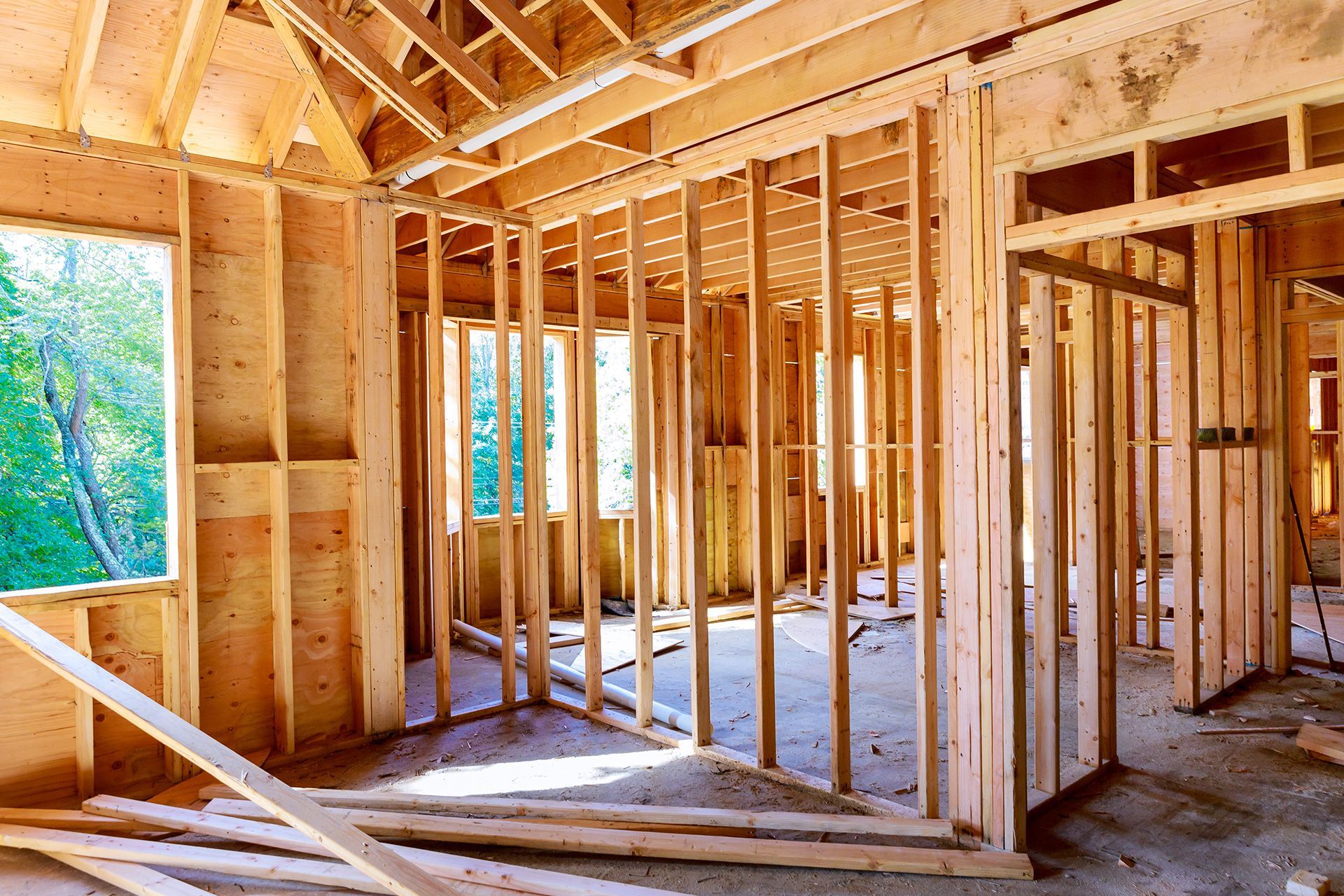
That is why many homeowners choose to schedule a pre-drywall inspection before insulation and drywall are installed. This inspection takes place while the home’s internal systems are still visible, allowing inspectors to identify hidden concerns before they are covered.
It is a practical way to reduce future repair risks and better understand the quality of construction before closing on a new home.
What is a Pre-Drywall Inspection?
It is a third-party inspection conducted during the construction phase, before drywall installation begins.
At this stage, inspectors can still see important structural and mechanical components, including:
- Wall framing
- Roof framing
- Electrical rough-in
- Plumbing top out
- HVAC routing
- Window installation
- Fasteners and connectors
Once drywall is installed, many of these areas become hidden behind finished walls and ceilings.
This inspection gives buyers an opportunity to identify concerns early, while repairs are often easier and less expensive to complete.
Why Pre-Drywall Inspection is Important?
One of the biggest benefits is risk reduction. Problems discovered during this stage are usually easier to correct than repairs made after construction is complete.
If issues are not identified early, repairs may later require:
- Removing drywall
- Repainting walls
- Opening ceilings
- Accessing hidden plumbing or wiring
- Delaying move-in schedules
Finding concerns before the walls are closed can help avoid unnecessary disruption later.
Why Open Walls Provide A Valuable Inspection Opportunity
Before drywall is installed, many critical systems inside the home are still fully visible. This includes electrical rough-in, plumbing top-out, HVAC routing, framing, and other structural components that will soon be hidden behind walls and ceilings.
This stage allows inspectors to evaluate these areas, and issues are commonly caught at pre-drywall that would be costly to fix later.
1. Framing Inspection
Framing is one of the most important structural parts of the home.
Inspectors may review:
- Wall alignment
- Roof framing
- Beam placement
- Truss installation
- Fastener placement
- Structural connectors
Framing issues can sometimes affect the stability or long-term performance of the structure.
2. Electrical Rough-In Inspection
Electrical systems are much easier to evaluate before drywall covers the wiring.
Inspectors may look for:
- Wiring placement
- Proper routing
- Damaged wiring
- Missing protective plates
- Electrical box installation
- Grounding concerns
Identifying electrical issues early helps reduce future access problems once the walls are finished.
3. Plumbing Top-Out Inspection
The plumbing system is another major focus during this stage.
Inspectors may review:
- Pipe routing
- Drain placement
- Vent installation
- Pipe support
- Visible leaks
- Water line installation
Small plumbing issues hidden behind walls can eventually lead to moisture damage if left unnoticed.
4. HVAC Routing Inspection
The heating and cooling system also becomes easier to inspect before drywall installation.
Inspectors may evaluate:
- Duct routing
- Vent placement
- Support connections
- Airflow layout
- Condensation line routing
Improper HVAC installation at this stage can affect future comfort, efficiency, and system performance.
Why Jacksonville Homes Benefit From Pre-Drywall Inspections
Jacksonville homes face environmental conditions that can increase construction stress over time.
These conditions may include:
- High humidity
- Heavy rain
- Heat exposure
- Hurricane weather
- Moisture-related concerns
Because of this, proper installation of structural and mechanical systems becomes especially important.
A pre-drywall inspection helps provide additional review before these systems are permanently covered.
Common Issues Found During The Inspection
Even newly built homes can contain overlooked problems during construction. Some commonly reported issues include:
- Missing framing connectors
- Improperly secured wiring
- Plumbing leaks
- Misaligned framing
- Damaged ductwork
- Missing fire blocking
- Poor window installation
- Incomplete sealing around penetrations
Many of these concerns are easier to correct before insulation and drywall are added.
Do Builders Already Inspect These Areas?
Yes. Builders and municipal inspectors both review homes during construction.
However, a third-party inspection provides an additional layer of evaluation focused on the buyer’s interests.
Construction projects involve many contractors working on tight schedules. Even experienced teams can occasionally overlook details.
A third-party pre-drywall inspection helps provide:
- Independent observations
- Additional documentation
- Better communication of visible concerns
- Greater peace of mind for the buyer
The goal is not to criticize the builder. The purpose is to help identify visible conditions before they become harder to access.
When Should You Schedule a Pre-Drywall Inspection?
Timing is very important.
The inspection should take place:
- After framing is complete
- After rough electrical work
- After plumbing top-out
- After HVAC routing
- Before insulation and drywall installation
Scheduling too late may limit what the inspector can fully evaluate.
Good communication with the builder can help ensure the inspection occurs at the proper stage.
What Is Included in a Pre-Drywall Checklist?
A detailed pre-drywall checklist helps inspectors organize observations during the inspection.
The checklist may include:
- Framing conditions
- Roof structure
- Electrical rough-in
- Plumbing lines
- HVAC routing
- Window installation
- Fire safety features
- Moisture concerns
- Structural connectors
- Attic access points
The checklist helps ensure that major visible systems are reviewed before construction proceeds.
Is The Inspection Worth It For New Homes?
Many buyers believe new homes do not need inspections because everything is newly installed.
However, new construction still involves:
- Multiple subcontractors
- Tight timelines
- Material handling
- Human error
- Changing weather conditions
Even small mistakes can become difficult to repair after the walls are completed.
A pre-drywall inspection gives buyers additional confidence in the home's condition before closing.
How Inspections Help Reduce Long-Term Costs
One of the biggest advantages of this inspection stage is the ability to identify concerns before repairs become more complicated.
For example:
- Plumbing leaks are easier to repair before drywall installation
- Wiring issues are easier to access while the walls are open
- Framing corrections are simpler before the finishes are completed
- HVAC adjustments are easier before ceilings are sealed
This proactive approach can help reduce future repair disruption and maintenance concerns.
What Happens After The Inspection?
After the inspection, the buyer receives a report documenting visible findings and observations.
The buyer can then:
- Share findings with the builder
- Request corrections
- Monitor repairs
- Keep documentation for future reference
Most builders appreciate the opportunity to address issues before the project is completed.
Final Thoughts
A pre-drywall inspection offers one of the best opportunities to identify hidden construction concerns before the walls are closed. During this stage, inspectors can review framing, electrical rough-in, plumbing top-out, HVAC routing, and other important systems that will soon become difficult to access.
Finding issues early helps reduce repair complexity, minimize future disruption, and provide added peace of mind during the construction process.
At Superior Inspections, we provide detailed pre-drywall inspection services to help buyers better understand the condition of their new home before construction proceeds. Our inspections focus on clear reporting and careful evaluation of visible systems during this important stage.
If you are building a home in Jacksonville and want an independent review before drywall installation, contact Superior Inspections today.
FAQs
What Is The Purpose Of The Inspection?
It helps identify visible construction concerns before insulation and drywall are installed, when repairs are easier to complete.
When Should a Pre-Drywall Inspection Be Scheduled?
The inspection should take place after framing, electrical rough-in, plumbing top-out, and HVAC routing are complete, but before drywall installation begins.
What Does a Pre-Drywall Checklist Include?
A pre-drywall checklist may include framing, electrical systems, plumbing lines, HVAC routing, roof structure, windows, and visible safety features.
Can Problems Still Exist In A Newly Built Home?
Yes. Even new homes can have construction defects, installation errors, or overlooked details that may not be visible after drywall is installed.
Why is a Third-Party Inspection Helpful?
A third-party inspection provides independent observations and additional documentation to help buyers identify visible concerns before construction is completed.
Disclaimer: The information on this website and blog is for general informational purposes only and is not professional advice. We make no guarantees of accuracy or completeness. We disclaim all liability for errors, omissions, or reliance on this content. Always consult a qualified professional for specific guidance.
Search
Recent Posts