What to Expect During a Home Inspection – A Complete Guide

Buying or selling a home is one of the most important financial decisions you’ll ever make. A home inspection plays a critical role in that process, giving you a clear, unbiased understanding of a property’s condition before finalizing the deal. Yet, many buyers and sellers still feel unsure about what actually happens during an inspection.
In this complete guide, we’ll walk you through exactly what to expect during a home inspection, from start to finish, so you can approach the process with confidence and clarity.
What Is a Home Inspection?
A home inspection is a thorough, visual evaluation of a property’s major systems and structural components. Conducted by a certified professional inspector, the goal is to identify existing or potential issues that could affect the home’s safety, functionality, or value.
Unlike an appraisal, which determines market value, a home inspection focuses solely on the condition of the property.
Why a Home Inspection Matters
A home inspection isn’t just a formality, it’s a powerful tool that protects both buyers and sellers.
For Buyers:
- Helps uncover hidden issues before purchase
- Provides leverage for negotiation
- Prevents unexpected repair costs
For Sellers:
- Identifies issues before listing
- Builds trust with buyers
- Reduces chances of deal delays or cancellations
When Does a Home Inspection Happen?
A home inspection typically takes place after an offer is accepted but before closing. This period is often called the “inspection contingency” phase, during which buyers can renegotiate or withdraw their offer based on the findings.
How Long Does a Home Inspection Take?
The duration depends on the size, age, and condition of the property. On average:
- Small homes: 2–3 hours
- Medium homes: 3–4 hours
- Larger or older homes: 4+ hours
Additional services like mold testing, sewer scope inspections, or radon testing may extend the time.
What Inspectors Look At
A home inspection covers all accessible areas of the property. Here’s a breakdown of what inspectors typically evaluate:
1. Roof
The inspector checks for:
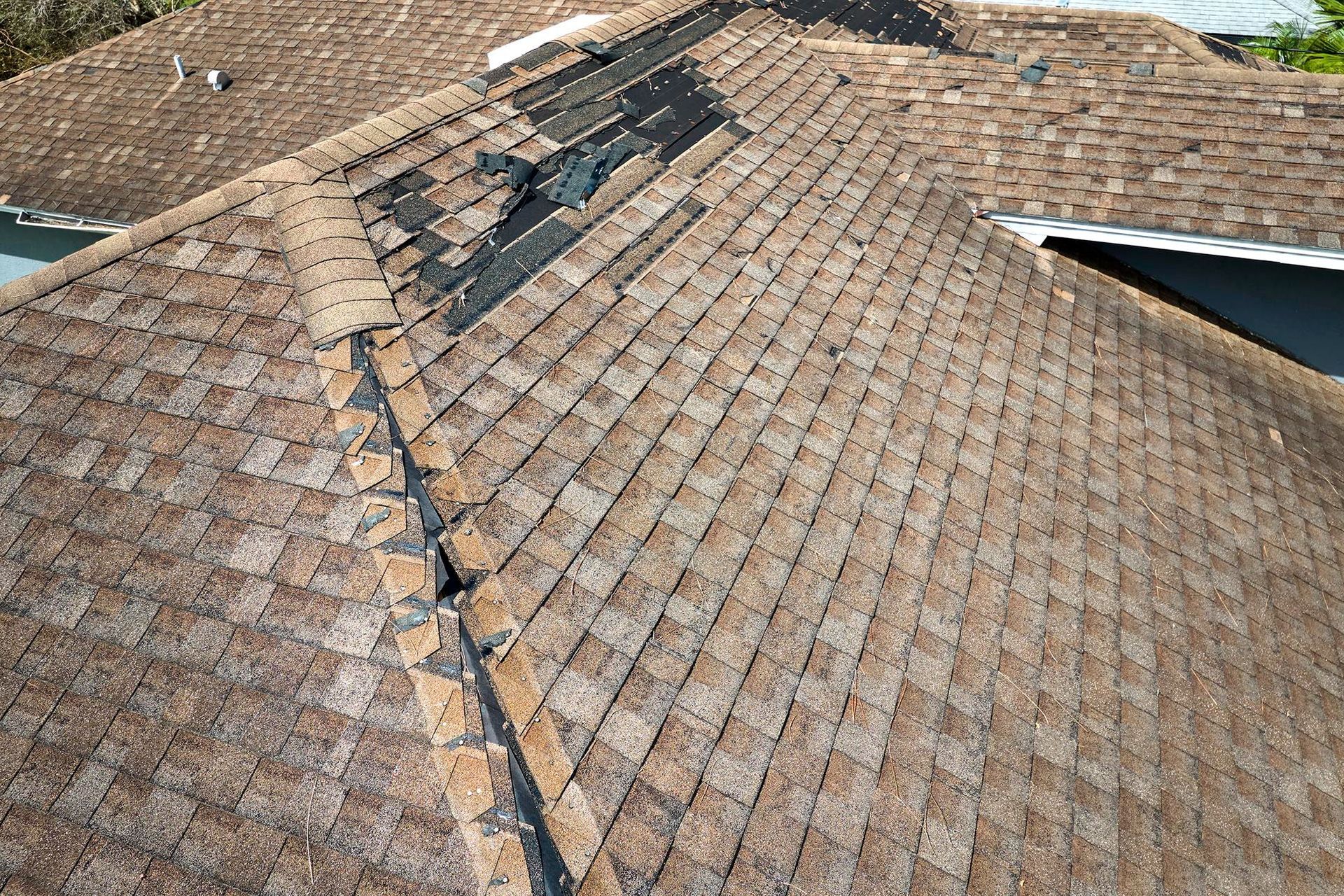
- Missing or damaged shingles
- Signs of leaks or water intrusion
- Flashing condition
- Overall roof lifespan
2. Exterior
Includes:
- Siding and paint condition
- Windows and doors
- Driveways and walkways
- Drainage and grading
3. Foundation and Structure
Inspectors look for:
- Cracks or shifting
- Uneven floors
- Structural stability issues
4. Plumbing System
Evaluation includes:
- Pipe condition and leaks
- Water pressure
- Water heater functionality
5. Electrical System
Checked for:
- Wiring safety
- Panel condition
- Outlets and switches
- Code compliance issues
6. HVAC System
Inspection covers:
- Heating and cooling performance
- Age and condition of units
- Airflow and ventilation
7. Interior
Includes:
- Walls, ceilings, and floors
- Doors and windows
- Stairs and railings
8. Attic and Insulation
Inspectors assess:
- Insulation levels
- Ventilation
- Signs of moisture or mold
9. Appliances (If Included)
Basic functionality of:
- Oven, dishwasher, and garbage disposal
What Inspectors Don’t Cover
It’s just as important to understand what a standard home inspection does not include:
- Cosmetic issues (paint, décor)
- Hidden or inaccessible areas
- Specialized inspections (unless added separately), such as:
- Mold testing
- Radon testing
- Sewer scope
- Termite/WDO inspections
These can often be added as additional services if needed.
Should You Attend the Inspection?
Yes, if possible, you should attend the inspection.
Being present allows you to:
- Ask questions in real-time
- See issues firsthand
- Better understand the home’s condition
Even if you can’t attend the full inspection, try to be there at the end for a summary walkthrough.
What Happens After the Inspection?
After the inspection, you’ll receive a detailed report, usually within 24 hours. This report includes:
- A summary of findings
- Photos of issues
- Severity of problems
- Recommendations for repairs or further evaluation
Understanding the Inspection Report
Not every issue in the report is a deal-breaker. Homes naturally have wear and tear, especially older ones.
Common Findings:
- Minor maintenance issues
- Aging systems nearing end of life
- Small leaks or cracks
More Serious Concerns:
- Structural problems
- Roof leaks or major damage
- Electrical hazards
- Plumbing failures
Your inspector can help explain which issues are urgent and which are routine.
What Happens Next?
Once you receive the report, you typically have a few options:
1. Accept the Property As-Is
If no major issues are found, you can proceed with the purchase.
2. Request Repairs
Ask the seller to fix specific problems before closing.
3. Negotiate the Price
Request a price reduction to cover repair costs.
4. Walk Away
If the issues are too significant, you may cancel the contract (depending on your contingency terms).
Tips to Prepare for a Home Inspection
For Buyers:
- Make a checklist of concerns
- Attend the inspection if possible
- Ask questions
For Sellers:
- Ensure utilities are on
- Provide access to all areas
- Fix minor issues beforehand
- Replace burnt-out bulbs and clean spaces
Preparation helps ensure a smoother, faster inspection process.
Common Myths About Home Inspections
“A Home Inspection Guarantees No Future Problems”
Not true. Inspections identify current visible issues, not future failures.
“New Homes Don’t Need Inspections”
Even new construction homes can have defects or incomplete work.
“Inspectors Will Fix Issues”
Inspectors only evaluate and report, they do not perform repairs.
Why Choose a Professional Home Inspector?
A certified and experienced inspector provides:
- Accurate and unbiased evaluations
- Detailed and easy-to-understand reports
- Confidence in your real estate decisions
At Superior Inspections, we focus on educating our clients—not just delivering a checklist, so you fully understand the property you’re dealing with.
Final Thoughts
A home inspection is one of the most valuable steps in the buying or selling process. It provides clarity, reduces risk, and empowers you to make informed decisions. Knowing what to expect helps eliminate surprises and ensures you get the most out of the experience.
Whether you're a first-time buyer or a seasoned investor, understanding the inspection process puts you in control, and that’s exactly where you want to be.
Schedule your professional home inspection with Superior Inspections today and make your next property decision with complete confidence.
Frequently Asked Questions (FAQs)
Can a home fail an inspection?
No. A home inspection is not a pass/fail test—it simply reports the condition of the property.
Do I need multiple inspections?
Sometimes. Additional inspections like mold, radon, or termite inspections may be recommended.
What if the inspection finds major problems?
You can negotiate repairs, request a price reduction, or walk away from the deal.
Are inspectors liable for missed issues?
Inspectors are responsible for visible and accessible areas but cannot guarantee detection of hidden defects.
How soon should I schedule an inspection?
Immediately after your offer is accepted to stay within contingency timelines.
Disclaimer: The information on this website and blog is for general informational purposes only and is not professional advice. We make no guarantees of accuracy or completeness. We disclaim all liability for errors, omissions, or reliance on this content. Always consult a qualified professional for specific guidance.
Search
Recent Posts